

Garage conversions are booming across the UK as homeowners discover an untapped goldmine sitting right next to their houses. We’re talking about those cluttered garage spaces that could become profitable living areas adding serious value to your property.
This guide is for UK homeowners who want to maximize their property value without the massive costs of moving or building extensions. We’ll break down exactly how much garage conversion value added UK properties can expect – often up to 20% of your home’s worth.
We’ll explore the most profitable types of garage conversions and show you cost-effective investment strategies compared to alternatives like extensions or relocating. You’ll also get the essential planning permission requirements and legal considerations that could make or break your project.
Our goal is simple: help you understand if converting your garage makes financial sense and guide you through the key decisions that determine success or disappointment.
How Much Value Garage Conversions Add to UK Properties
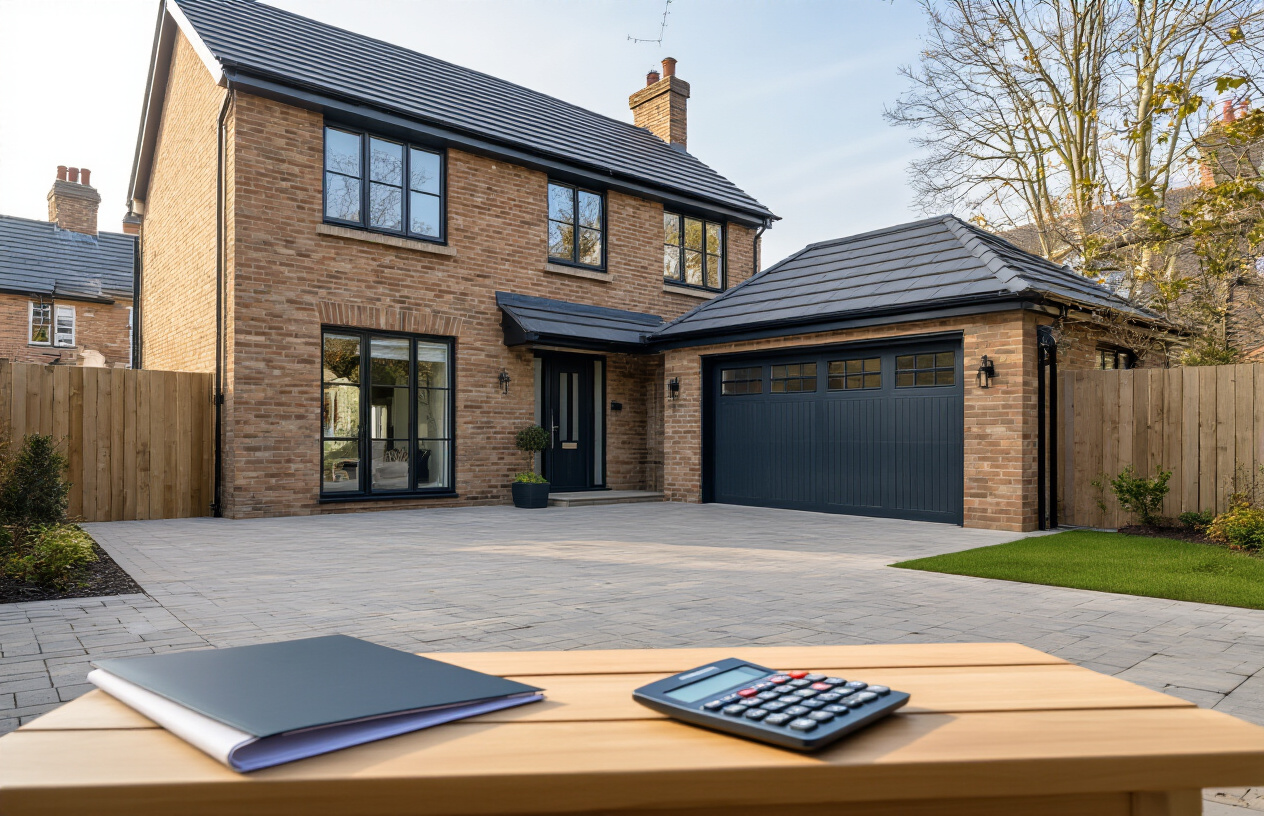
When examining garage conversion value added UK statistics, we find that these projects deliver substantial returns on investment. Well-executed conversions can increase property values by 10-20%, with bedroom conversions featuring en-suites commanding the highest premiums at up to 20%. More modest conversions like home offices or playrooms typically boost values around 10-15%, making them cost-effective options for budget-conscious homeowners.
Up to 20% Property Value Increase for Bedroom Conversions with En-suite
Converting your garage into a bedroom with en-suite bathroom represents the most profitable garage conversion strategy we’ve identified. These comprehensive conversions can add up to 20-25% to your property’s market value, particularly in high-demand areas like London and the South East where additional bedrooms significantly impact asking prices. The combination of extra sleeping accommodation and private bathroom facilities appeals strongly to potential buyers, especially families seeking additional space without moving house.
Around 10% Value Boost for Home Office or Playroom Conversions
For homeowners seeking more modest investments, converting garages into home offices or playrooms delivers solid returns averaging 10-15% value increase. These conversions have gained particular appeal since remote working became mainstream, with dedicated office spaces now highly sought after by buyers. Family rooms and playrooms also enhance property marketability by providing flexible living spaces that accommodate modern lifestyle needs without the complexity of bedroom conversions.
Average £350 Per Square Foot of Added Living Space
Our analysis reveals that garage conversions typically generate value at approximately £350 per square foot of newly created living space. This cost-effective rate makes garage conversions particularly attractive compared to traditional extensions, where structural work and foundation requirements significantly increase per-square-foot costs. The existing roof and walls mean we’re primarily investing in internal modifications, insulation, and finishing work rather than extensive new construction.
Potential £45,000 Value Increase for Standard Single Garage Conversion
A standard single garage conversion, typically measuring around 130 square feet, can potentially add £45,000 or more to your property value when executed professionally. This substantial increase depends on factors including local property prices, conversion quality, and intended use of the space. In areas where housing demand exceeds supply, we’ve observed even higher value increases, making garage conversions one of the most profitable home improvement investments available to UK property owners.
Most Profitable Types of Garage Conversions
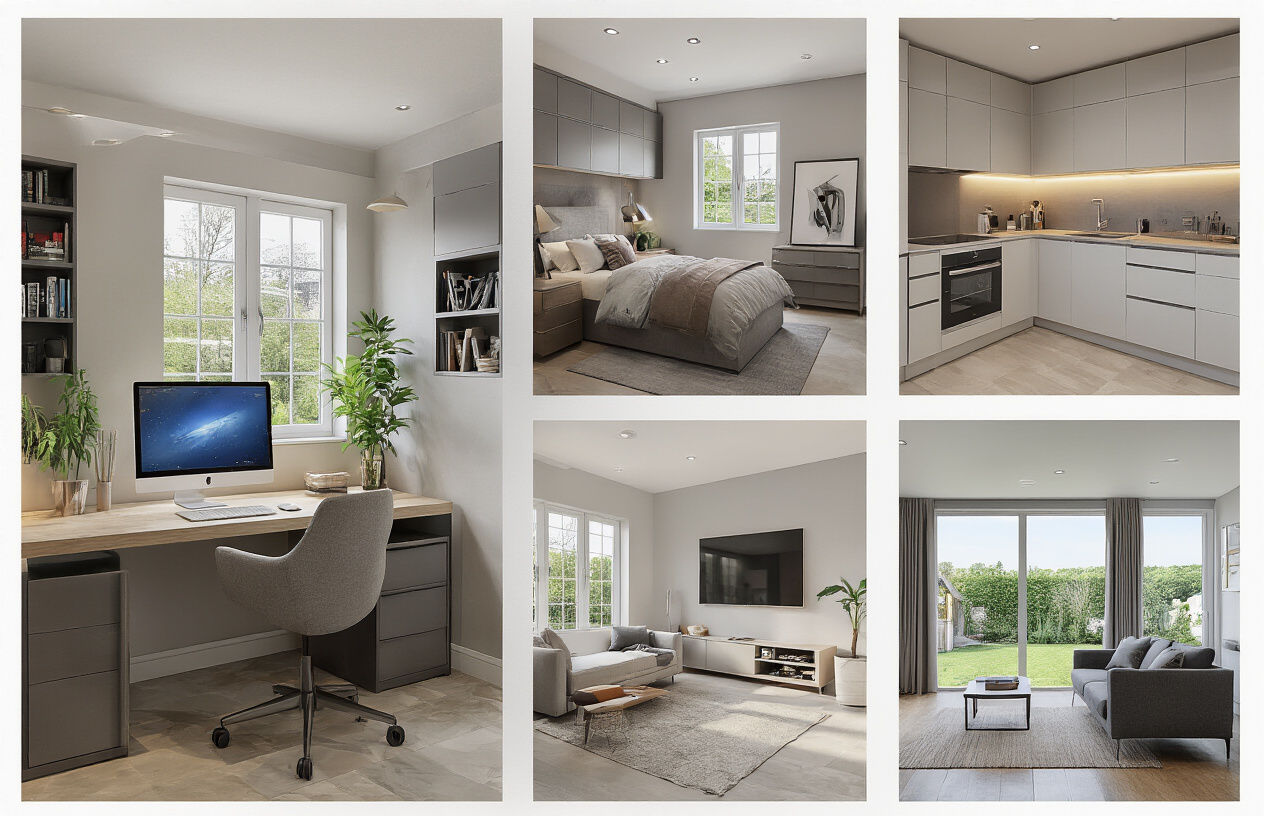
Additional bedrooms with en-suite bathrooms for maximum return
When considering garage conversion value added in the UK, we find that bedrooms consistently provide the biggest boost to property prices. Converting your garage into an additional bedroom can increase your home’s value between 5-10%, potentially adding £22,000 to the average UK property. However, we should note that ground floor bedrooms don’t bring as much value as those on upper floors, except in bungalows. Adding an en-suite bathroom to your garage conversion bedroom significantly enhances the return on investment, making this one of the most profitable conversion types for maximizing property value in the competitive UK housing market.
Home offices to meet remote working demands
With remote working on the rise across the UK, we’ve observed that converting your garage into a dedicated home office has become increasingly valuable. Modern buyers actively seek properties with quiet, separate workspace areas where they can complete professional tasks without household distractions. This conversion type appeals particularly to freelancers and remote workers who need a professional environment at home. When planning a garage conversion for office use, we recommend ensuring proper insulation, adequate electrical capacity for modern technology, and sufficient natural light through strategic window placement to create an attractive, functional workspace.
Children’s playrooms and family spaces
Converting your garage into a second living room or dedicated children’s playroom addresses the growing demand from families seeking additional living space. We find this conversion particularly appealing to parents who want to separate children’s activities from main living areas. This type of garage conversion provides excellent value by creating a dedicated family space where children can play safely while parents maintain peaceful areas elsewhere in the home. The key to success with this conversion type lies in ensuring proper ventilation, adequate heating, and childproof features that make the space both functional and safe for family use.
Home gyms and utility rooms
We’re witnessing increasing demand for home fitness facilities, with over 9 million Brits holding gym memberships in recent years. Converting your garage into a home gym appeals to health-conscious buyers seeking convenient exercise options. When planning this conversion, we emphasize the importance of installing proper ventilation and air conditioning systems to handle intense workout sessions. Additionally, converting part of your garage into a utility room provides valuable storage and laundry facilities. These practical conversions add functionality to your home while appealing to buyers who value organized, efficient living spaces with dedicated areas for fitness and household management.
Extensions of existing living areas
When your garage sits adjacent to your kitchen or main living areas, we can create seamless extensions that dramatically enhance your home’s open-plan appeal. Kitchen extensions through garage conversions are particularly valuable, as modern buyers increasingly seek spacious cooking and dining areas. By knocking through walls between your existing kitchen and converted garage space, we create expanded dining areas that meet contemporary lifestyle demands. This type of conversion works especially well for families who need larger entertaining spaces and prefer the open-plan living concept that’s highly sought after in today’s UK property market.
Cost-Effective Investment Compared to Alternatives
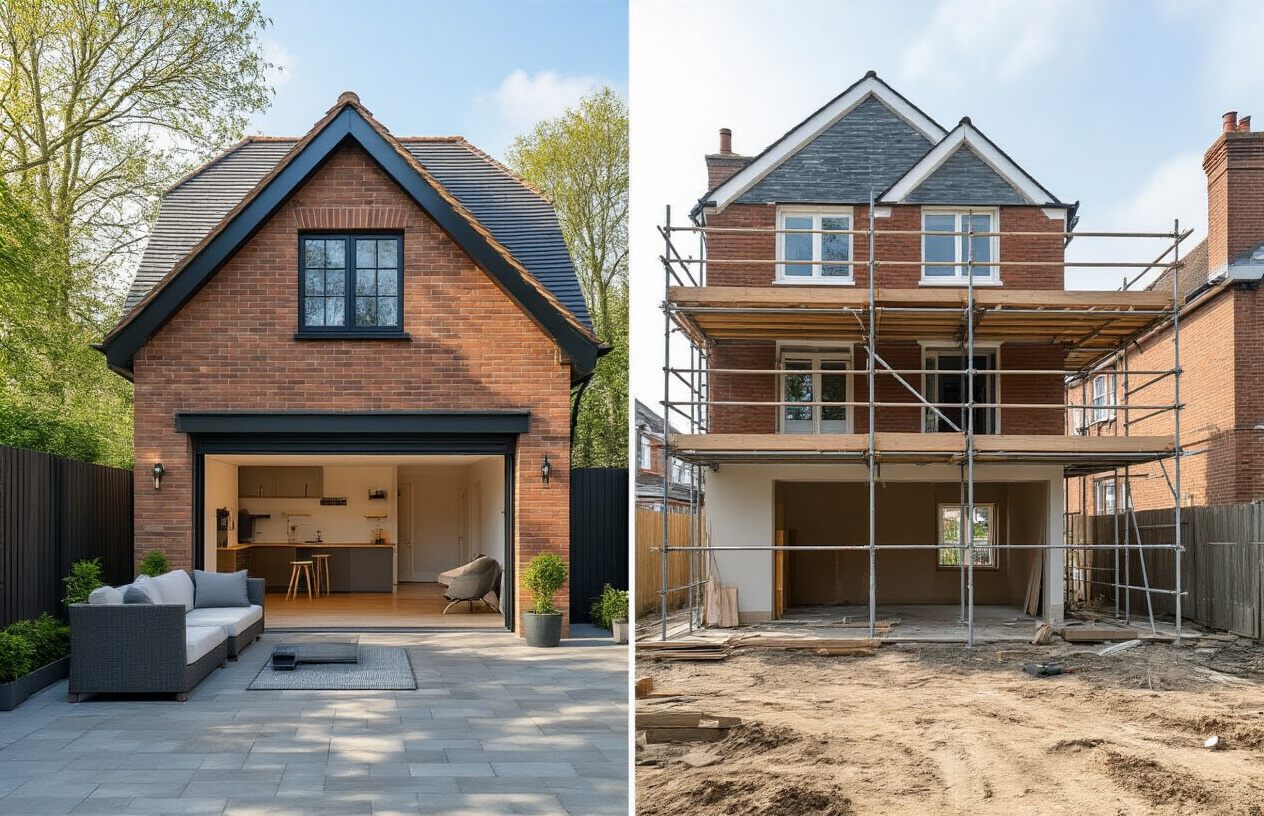
£9,500 to £20,000 average conversion cost versus extension expenses
When considering cost-effective ways to add living space, we find garage conversions offer exceptional value compared to traditional home improvements. Our research shows garage conversions cost between £9,600 and £24,000, while single-storey extensions range from £48,000 to £96,000 – making conversions 60-70% more affordable per square metre.
Faster completion times than traditional house extensions
We consistently see garage conversions completed in just 2-4 weeks, compared to 10-16 weeks for single-storey extensions. This dramatic time difference means less disruption to our daily lives and quicker enjoyment of our new space, while extensions require months of construction work that significantly impacts household routines.
More affordable than moving to larger properties
Rather than facing the substantial costs of moving house – including estate agent fees, stamp duty, and removal expenses – we can achieve additional living space through garage conversion at a fraction of the cost. This approach allows us to enhance our current property’s functionality without the financial burden and stress of relocating.
No loss of garden space unlike rear extensions
Unlike rear extensions that consume valuable outdoor space, garage conversions preserve our gardens entirely. We maintain our outdoor living areas while gaining indoor space, making this particularly valuable for families who prioritise both indoor comfort and outdoor recreation without compromising either aspect of our home environment.
Planning Permission and Legal Requirements
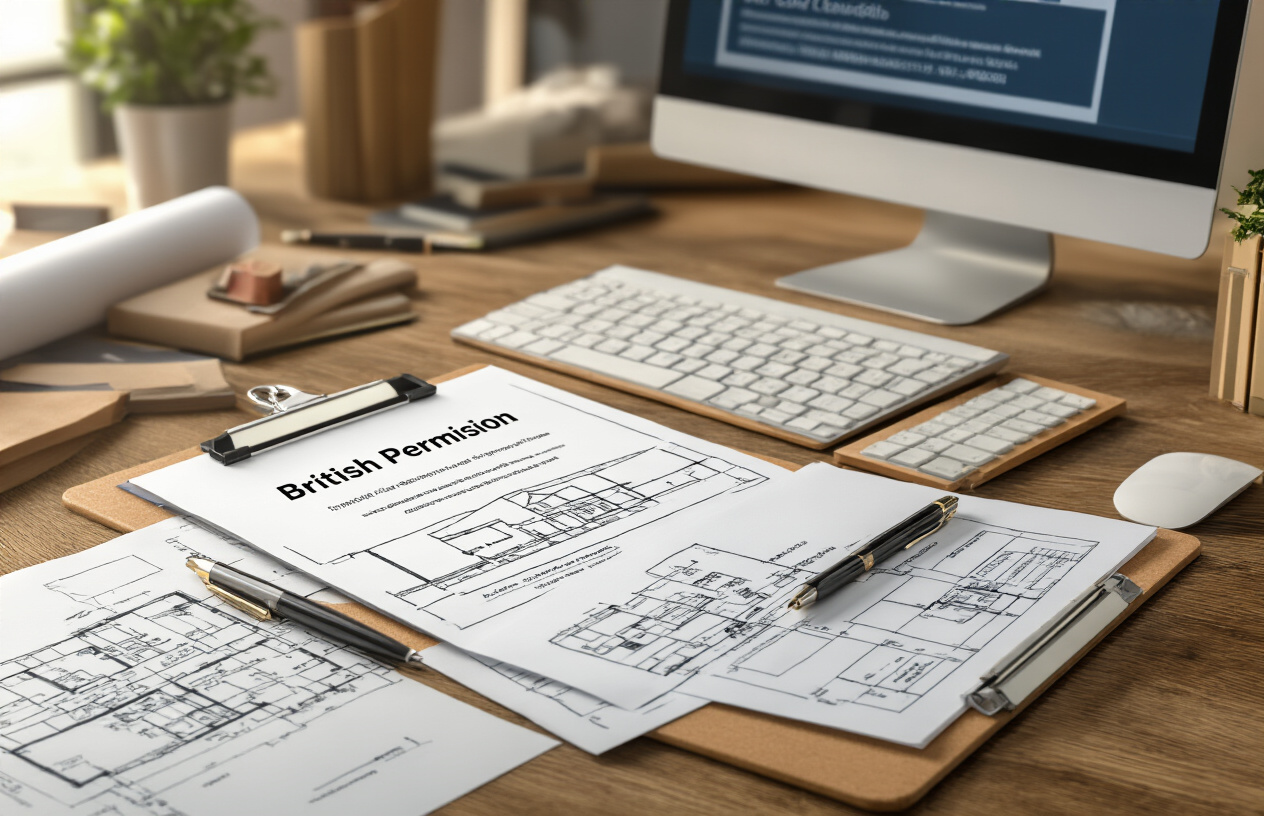
Most conversions qualify as permitted development without planning permission
We typically find that garage conversions fall under permitted development rights, meaning planning permission isn’t usually required when the work remains internal and doesn’t enlarge the building. However, we must note that converting a garage into a separate dwelling may require planning permission regardless of the work involved, and we recommend consulting your local planning authority before proceeding.
Building regulations compliance for insulation, ventilation and fire safety
We need to ensure our garage conversion meets building regulations approval, as converting garage space into habitable areas normally requires compliance with these standards. Our conversion must address key elements including doors and windows, drainage, electrics, external walls, internal walls, and roofing to satisfy regulatory requirements.
Special considerations for conservation areas and listed buildings
We should be aware that permitted development rights may have been removed from properties in conservation areas or new housing developments. When we’re working with listed buildings, we’ll likely need listed building consent in addition to other approvals, making early consultation with authorities essential.
Local council consultation recommendations
We strongly advise discussing our garage conversion proposals with the local planning authority to ensure all work remains lawful and properly approved. We can find our local planning authority through official channels and should verify whether any planning conditions, Article 4 Directions, or other restrictions limit our permitted development rights before beginning our project.
Key Benefits Beyond Property Value
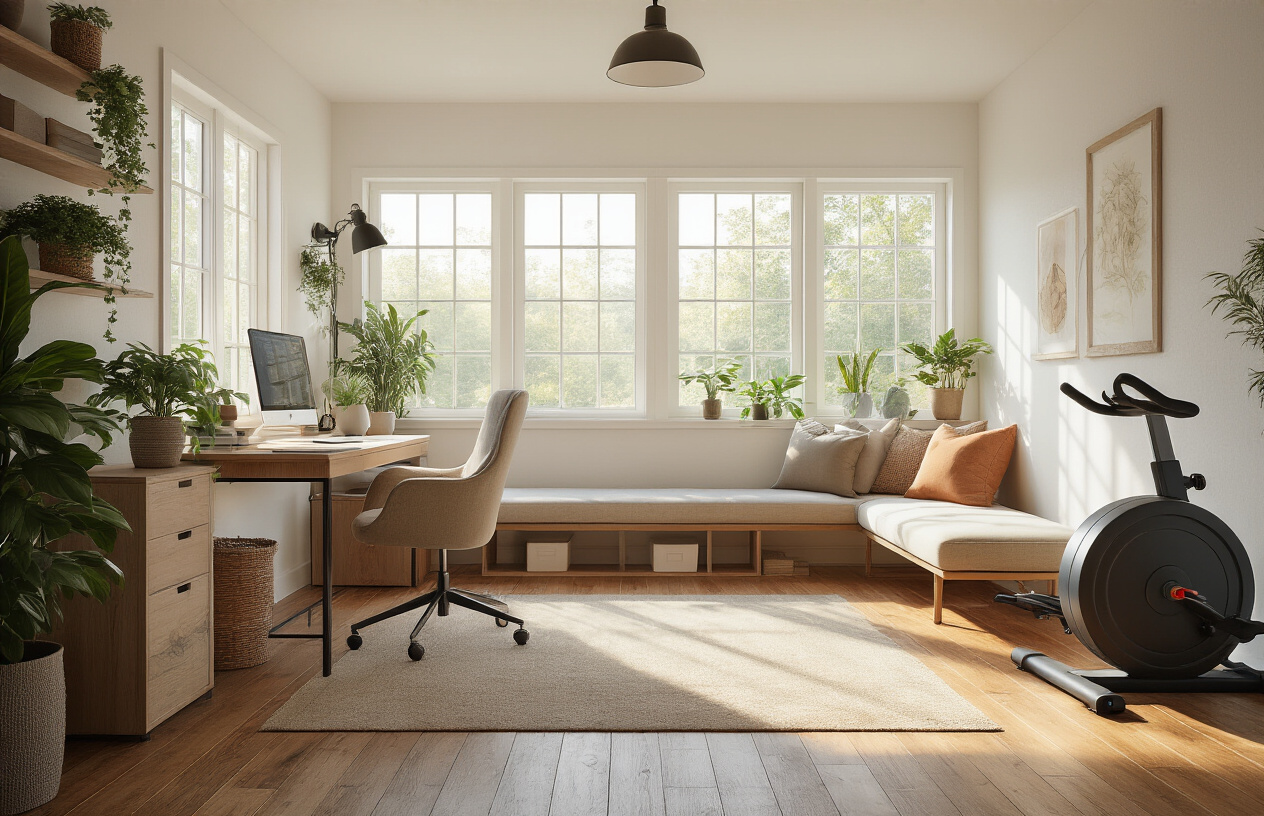
Creating functional living space from underused areas
Converting our garage transforms neglected storage space into valuable living areas. Most UK garages no longer serve their original purpose, instead becoming cluttered storage for old bikes and boxes. We can repurpose this underutilised space into functional rooms like home offices, bedrooms, gyms, or playrooms, significantly boosting our home’s functionality without requiring costly extensions or losing precious garden space.
Minimal disruption to main living areas during conversion
Unlike traditional house extensions, garage conversions work with existing structures, meaning we avoid the major upheaval of new foundations or roofing work. The conversion process typically takes just 4-6 weeks to complete, making it a relatively quick enhancement that doesn’t severely disrupt our daily home life or require us to vacate our property during construction.
Energy efficiency improvements with modern insulation and heating
Converting our garage involves adding proper insulation and heating systems, which improves our home’s overall energy efficiency. Since garages weren’t originally built for living purposes, we must invest in modern insulation and heating solutions to make the space comfortable year-round. These improvements not only create a liveable environment but also enhance our property’s thermal performance.
Potential rental income opportunities where permitted
Our converted garage can serve as an ideal setup for generating rental income where regulations allow. We can create self-contained accommodation for guests or tenants, or establish workspace for small businesses like salons, workshops, or studios. This flexibility allows us to earn additional income without paying separate commercial rent, making our conversion a potentially profitable long-term investment.
Essential Considerations Before Converting
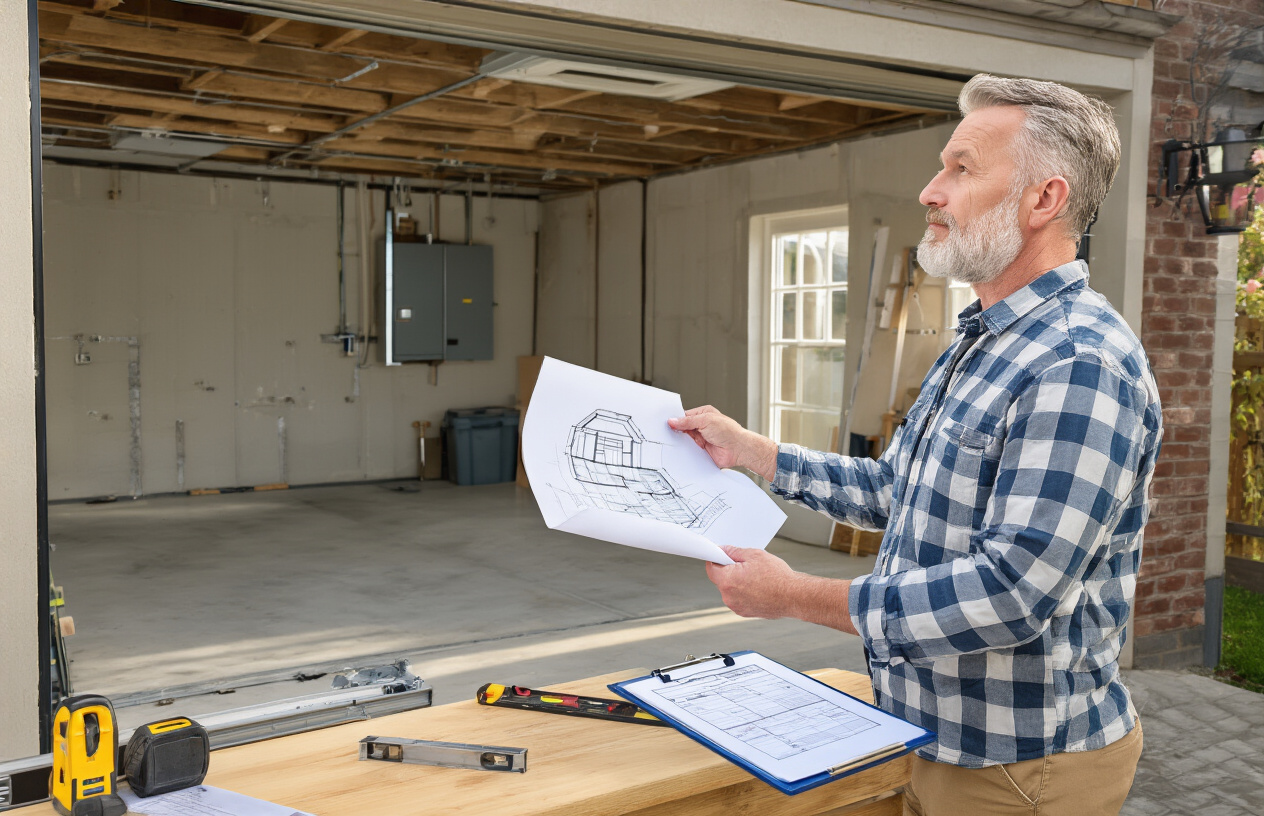
Ensuring conversion costs remain below value added
We must carefully monitor our garage conversion costs to ensure they don’t exceed the value we’re adding to our property. With UK garage conversions typically costing between £7,500 and £20,000, we need to balance quality finishes with budget constraints. Our best approach involves obtaining detailed written quotes following a site survey, allowing us to plan our budget with confidence and ensure our investment remains profitable.
Impact on off-street parking availability
We need to consider how converting our garage will affect our property’s parking provision. Before proceeding, we should evaluate whether losing the garage space will impact our daily convenience and potentially affect future resale value. Some buyers specifically value off-street parking, particularly in urban areas where parking is at a premium. We must weigh this practical consideration against the benefits of additional living space.
Quality of workmanship affecting final property value
We cannot overstate the importance of high-quality workmanship in determining our conversion’s final value. Our choice of builder with experience in garage conversions directly impacts the finished result. We should ensure all work meets Building Regulations requirements for insulation, structural stability, fire safety, and soundproofing. Poor workmanship not only affects our immediate enjoyment of the space but can significantly reduce the value added to our property.
Professional surveys for damp proofing and structural issues
We must invest in professional surveys to assess our garage’s existing structure before conversion begins. Our walls, foundations, and floors all need evaluation to determine viability and likely costs. We should check that existing foundations are adequate – typically requiring 200mm depth or more to support new walls. For garages with single-skin brickwork, we’ll likely need cavity wall upgrades to meet insulation requirements. Additionally, we must install damp proof membranes to prevent moisture issues and ensure proper integration with our home’s existing structure.
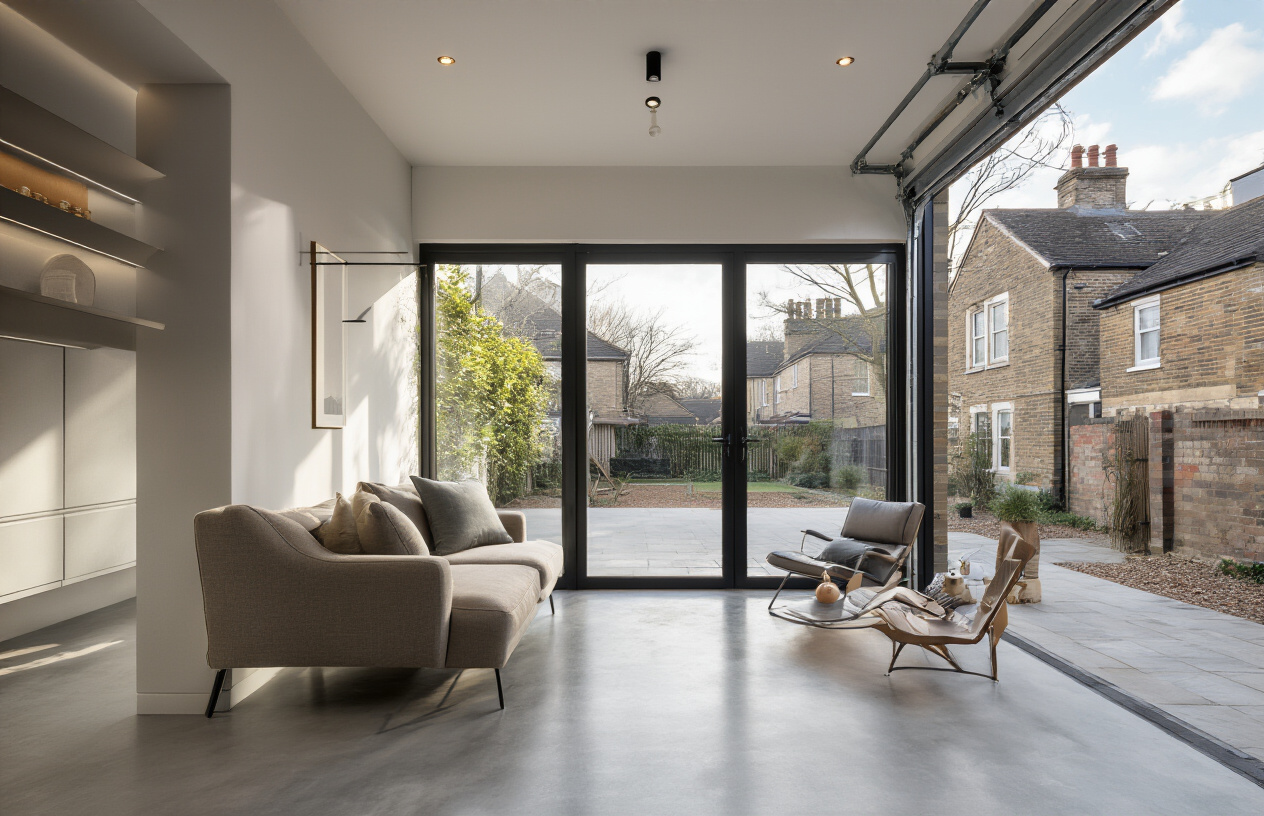
Garage conversions represent one of the smartest investments we can make in our UK properties, offering the potential to add up to 20% to our home’s value while creating valuable additional living space. With costs typically ranging from £9,500 to £20,000, we’re looking at a significantly more affordable alternative to traditional extensions, often without the complexity of planning permission requirements.
The key to maximising our return lies in choosing the right type of conversion for our needs and market demands. Whether we’re creating a home office to appeal to remote workers, adding a bedroom with en-suite for maximum value, or developing a flexible space that enhances our daily living, the benefits extend far beyond the financial. We gain extra square footage without sacrificing garden space, minimal disruption during construction, and the satisfaction of transforming an underused area into something genuinely valuable for our family and future buyers alike.