

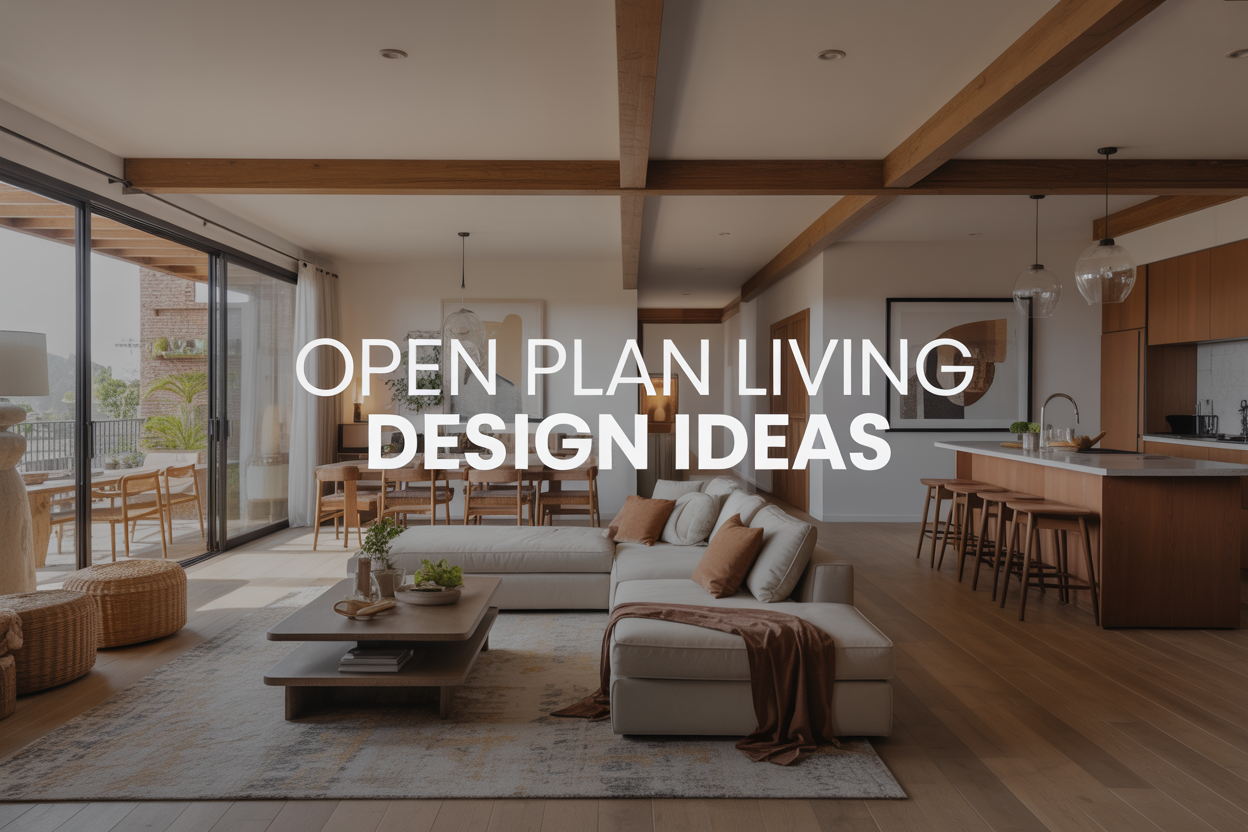
Open plan living spaces have revolutionized modern homes by creating flowing, flexible environments that connect kitchens, dining rooms, and living areas. This design approach maximizes natural light, creates the illusion of more space, and promotes better family interaction and entertaining. Perfect for homeowners with small homes, growing families, or anyone looking to modernize their living space, open plan living design ideas can transform cramped, compartmentalized rooms into spacious, cohesive areas.
The key to successful open plan design lies in thoughtful planning and strategic design choices. We’ll explore how to create visual separation without walls using furniture placement, area rugs, and decorative elements that define distinct zones while maintaining flow. You’ll also discover how to establish cohesion through color and materials, ensuring your kitchen, dining, and living areas feel connected rather than chaotic. Finally, we’ll cover how to maximize natural light and visual flow by making smart choices about window treatments, lighting fixtures, and furniture arrangements that keep your space feeling bright and open.
Create Visual Separation Without Walls
Use Area Rugs to Define Individual Zones
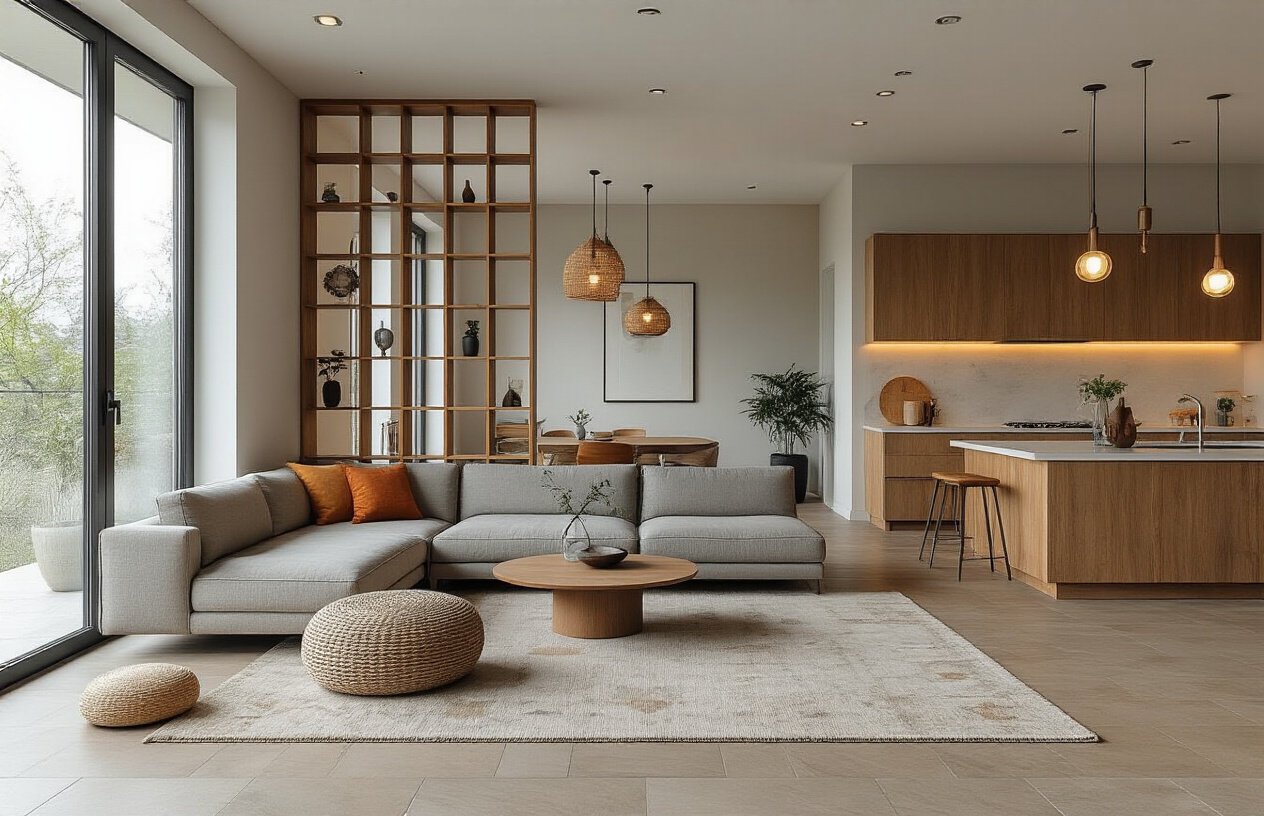
Area rugs serve as one of the most effective and flexible tools for creating visual boundaries in open plan living spaces. By strategically placing different rugs throughout your space, you can instantly define distinct areas for dining, seating, and conversation without the need for physical barriers. The key is selecting rugs that complement each other while serving their zone-defining purpose – consider coordinating colors or patterns that create visual cohesion across your open floor plan.
When implementing this technique, ensure each rug is appropriately sized for its designated zone. A dining area rug should extend at least 24 inches beyond the table on all sides to accommodate chairs, while living room rugs should be large enough for all furniture legs to rest comfortably on the surface or at least the front legs of major pieces.
Float Furniture to Create Seamless Room Division
Floating furniture away from walls creates natural pathways and visual separation between different functional areas in your open plan living space. This technique involves positioning key pieces like sofas, console tables, or even bookshelves in the middle of the room to act as subtle dividers while maintaining an open, airy feel.
Consider placing a console table behind your sofa to create a clear boundary between the seating area and dining space. This approach not only defines zones but also provides additional storage and display opportunities. The beauty of floating furniture lies in its flexibility – you can easily reconfigure your layout when needed while preserving the open concept’s inherent spaciousness.
Install Built-In Shelving for Natural Space Separation
Built-in shelving units offer a permanent yet visually light solution for dividing open plan spaces. Floor-to-ceiling bookcases create substantial room division while maintaining sight lines and natural light flow throughout the area. These installations can house books, decorative objects, and storage baskets while serving as architectural features that enhance your home’s overall design aesthetic.
When planning built-in shelving as room dividers, consider incorporating both open and closed storage elements. Open shelving maintains the airy feel essential to successful open plan living design ideas, while closed compartments provide concealed storage for items you’d prefer to keep out of sight. The key is achieving the right balance between functionality and visual lightness.
Position Sectional Sofas as Room Dividers
Sectional sofas naturally lend themselves to creating room division in open plan layouts due to their substantial size and L-shaped or U-shaped configurations. By positioning a sectional perpendicular to the main wall, you create a clear boundary between the living area and adjacent spaces like dining rooms or kitchens while maintaining conversation flow between zones.
This approach works particularly well in small open plan living room ideas where every piece of furniture needs to serve multiple purposes. The back of the sectional creates a visual barrier that defines the seating area, while the generous seating accommodates family gatherings and entertaining. Consider adding a console table behind the sectional to further enhance the room division effect while providing additional surface space for lighting, decor, or storage.
Establish Cohesion Through Color and Materials
Choose a Consistent Color Palette Throughout
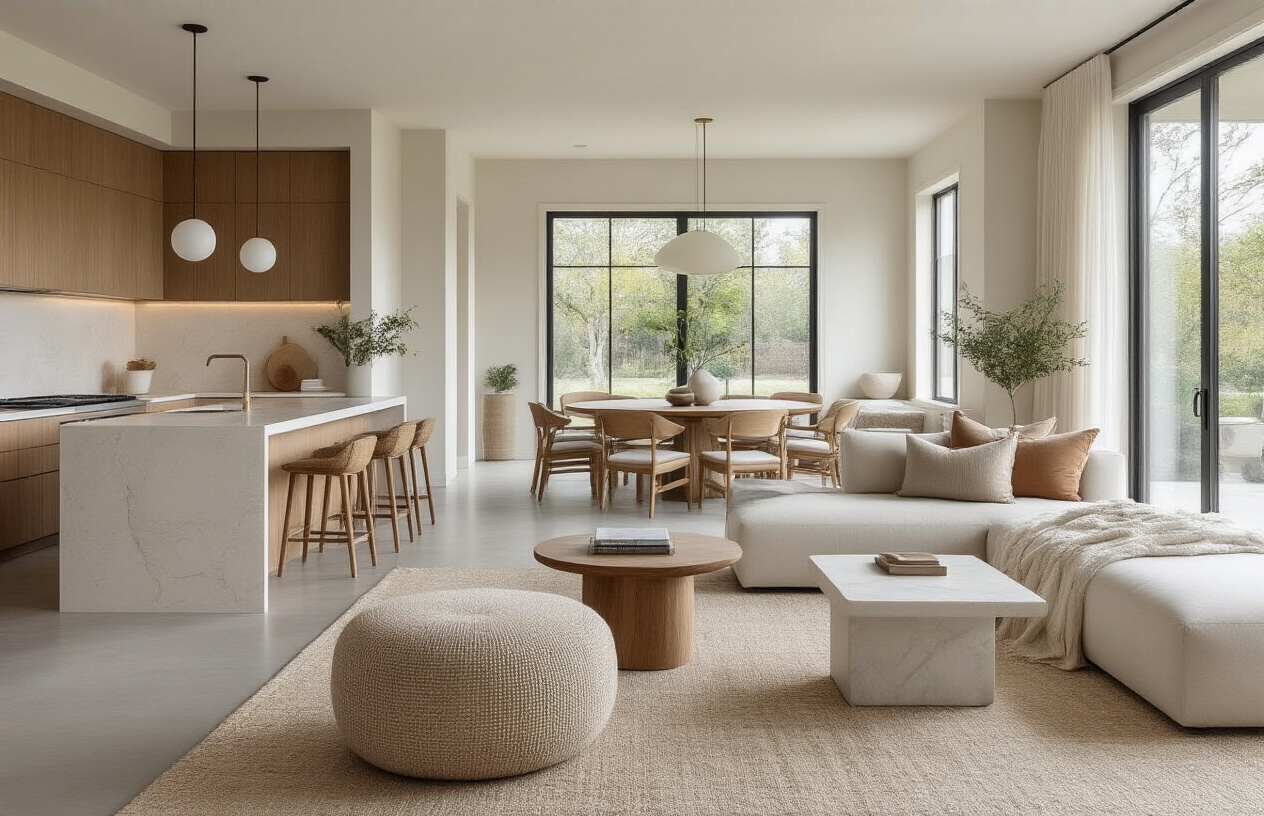
The foundation of successful open plan living design ideas lies in establishing a cohesive color scheme that flows seamlessly across different zones. When working with open floor plans, selecting a consistent color palette becomes crucial for creating visual harmony throughout the space. The key is to define your zones first, understanding how you’ll use each area throughout the day – from cooking and dining to relaxing and working.
A graduated color family approach works exceptionally well for open plan spaces. Consider using related shades that allow you to design harmonious, coordinated schemes while incorporating variety to bring contrast and definition. Use the lightest hues to bring continuity to transitional spaces, such as between your kitchen and dining areas, then select deeper shades from the same family to provide accents throughout your scheme.
For small open plan living design ideas, warm neutrals offer the perfect solution – think mushroom, taupe, oatmeal, or muddy greige. These colors provide that cozy, cocooned vibe without sensory overload, making them ideal for modern open plan living design ideas where multiple functions coexist in one space.
Unify Spaces with Bold Color Accents
Previously, we’ve established the importance of a consistent base palette. Now that we have this foundation, incorporating strategic bold color accents helps create designated zones while maintaining overall cohesion. These focal points with color work particularly well in open plan living design ideas for small spaces, where visual definition becomes essential.
Select one or two areas where you’d like to create a focal point with bolder paint colors. For a study space within your open plan layout, restful shades work beautifully, while vibrant colors bring an energetic feel to family dining areas. The key is ensuring these accent colors coordinate with your overall scheme and reflect the specific atmosphere you want to create in each particular zone.
Bold accents can be applied to built-in bookcases, fitted cabinets, or the wall behind your couch, creating visual weight and interest without disrupting the flow of your open concept space.
Repeat Similar Materials and Textures
With this color foundation in mind, the next step involves creating cohesion through consistent materials and textures. This approach is particularly effective for very small open plan kitchen living room ideas, where material repetition helps unify different functional areas.
Texture and materials do much of the heavy lifting in creating a cohesive open plan design. Even with a more subdued paint color, you can create visual interest and maintain flow by repeating similar finishes throughout the space. Consider layering consistent materials such as:
- Velvet or linen textiles across different seating areas
- Similar wood finishes on furniture and architectural elements
- Consistent metal finishes in lighting and hardware
- Repeated textile patterns in varying scales
These tactile elements create visual weight and contrast, making the space feel layered and intentional while maintaining the unified aesthetic essential for successful open plan living.
Connect Multi-Level Spaces with Coordinated Colors
For open plan designs that include multiple levels or varying ceiling heights, coordinated colors become even more critical for maintaining visual flow. The same principles of consistent color palettes apply, but special attention must be paid to how colors transition between different elevations.
Consider painting architectural details like wainscoting, beadboard, or picture-frame molding in the same color as your walls to add depth and sophistication without introducing visual clutter. This tone-on-tone approach works exceptionally well in multi-level open spaces.
Playing with paint finishes also helps connect different levels while maintaining color consistency. Use eggshell finish for walls and satin or semi-gloss for trim and doors. This subtle shift in sheen catches light differently and gives your eye something to rest on without disrupting the tone-on-tone look, making it perfect for small open plan living room ideas where every design choice must work harder to define and connect the space.
Maximize Natural Light and Visual Flow
Keep Sightlines Clear Between Spaces
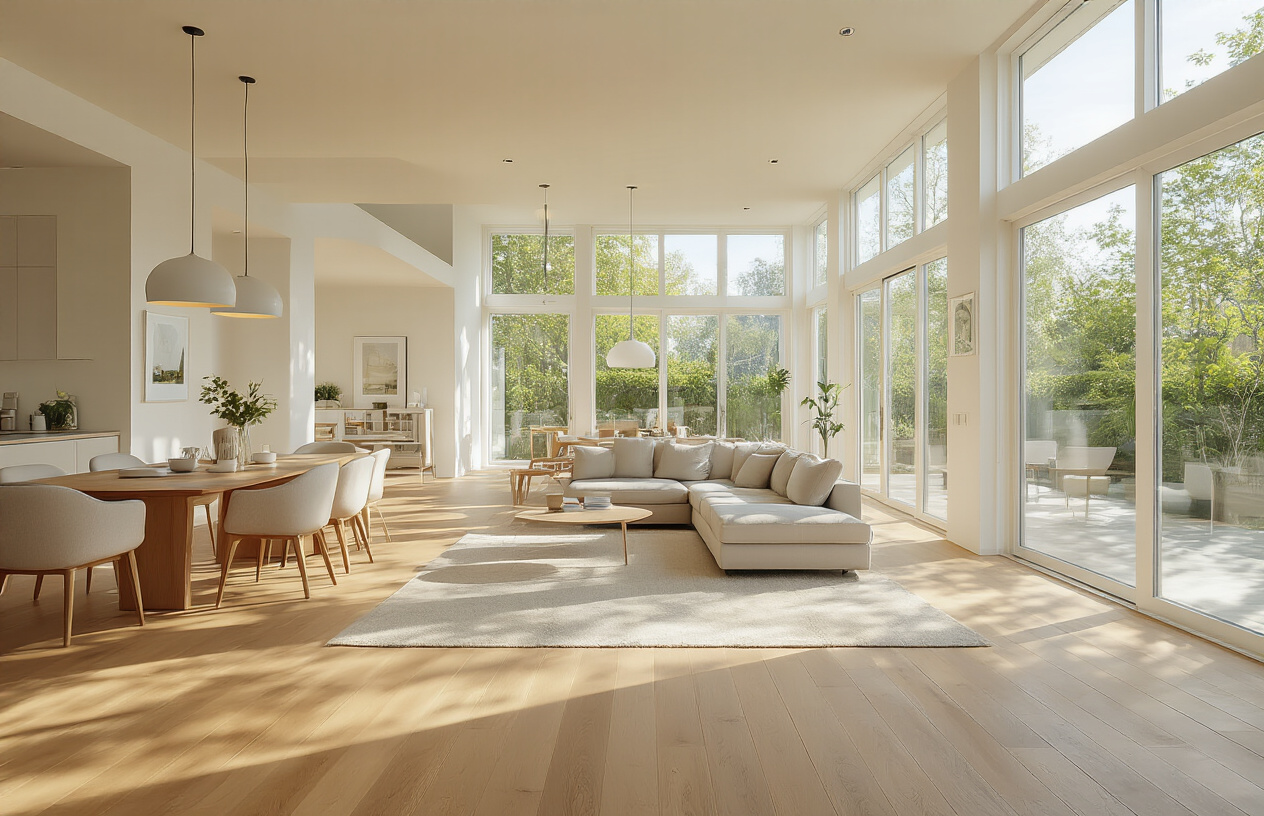
Maintaining unobstructed sightlines throughout your open plan living design creates an immediate sense of spaciousness and connectivity. When designing an open concept space, you’ll want to carefully position furniture and decorative elements to ensure visual continuity flows naturally from one area to another. This approach allows natural light to travel freely throughout the entire space, making even small open plan living design ideas feel more expansive.
Consider the placement of larger furniture pieces like sofas, bookcases, and entertainment centers to avoid blocking views between your kitchen, dining, and living areas. Instead of creating visual barriers, opt for lower-profile furniture that maintains the open feel while still providing necessary functionality for your space.
Use Large Decorative Mirrors to Enhance Light
Strategic mirror placement serves as one of the most effective modern open plan living design ideas for amplifying both natural and artificial light. Large decorative mirrors positioned opposite windows or light sources will reflect and bounce light throughout your open concept space, creating the illusion of additional windows and enhanced brightness.
When selecting mirrors for your open plan design, choose pieces that complement your overall aesthetic while serving this functional purpose. Consider placing mirrors on walls that don’t receive direct natural light to help distribute illumination more evenly across all zones of your living space.
Remove Barriers to Allow Light Penetration
Eliminating unnecessary physical barriers becomes crucial when implementing open plan living design ideas for small spaces. This means reconsidering traditional room dividers, heavy curtains, or bulky furniture arrangements that might impede light flow. Instead, embrace the open concept philosophy by allowing light to penetrate freely from windows through all connected areas.
If you must create some separation between zones, consider alternatives like glass partitions, open shelving units, or strategically placed plants that provide definition without completely blocking light transmission.
Choose Round Furniture to Improve Traffic Flow
Incorporating round furniture pieces represents a smart approach to modern open plan living design ideas, as curved edges naturally improve traffic flow throughout your space. Round dining tables, coffee tables, and seating arrangements eliminate sharp corners that can impede movement and create a more fluid circulation pattern.
This furniture choice becomes particularly important in very small open plan kitchen living room ideas, where every square foot matters. Round pieces allow people to move more easily around furniture groupings, making the space feel less cramped while maintaining the open, airy atmosphere that defines successful open concept living.
Design Strategic Seating Arrangements
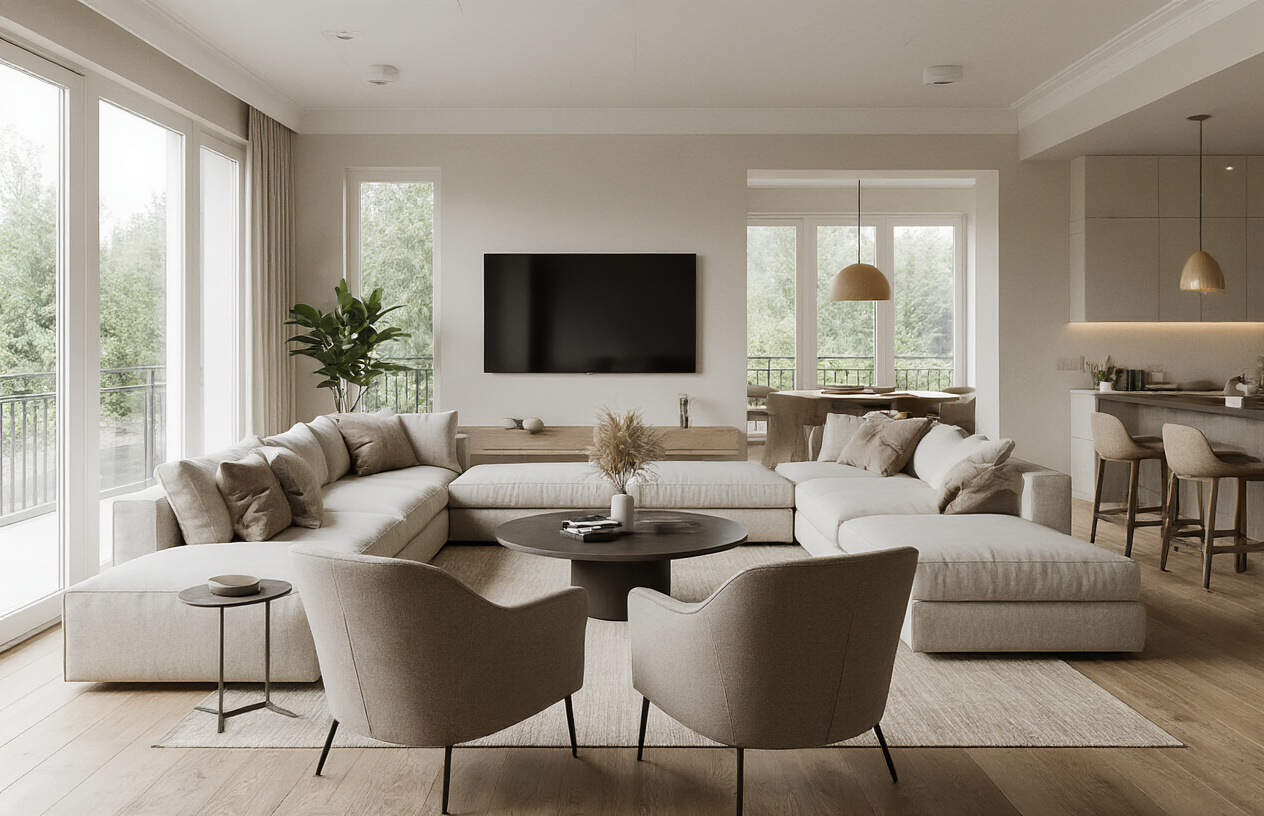
Create Multiple Seating Areas for Different Functions
Successful open plan living design ideas revolve around establishing distinct zones through strategic furniture placement. The key is creating multiple conversation areas that serve different purposes within the same space. Consider positioning one seating arrangement around a fireplace for intimate gatherings, while placing another near large windows to take advantage of natural light for reading or casual conversations. This approach transforms a single large room into several functional areas without sacrificing the open, airy feel.
When designing these multiple zones, ensure each seating area has its own focal point. A stone fireplace can anchor one area, as demonstrated in several luxury home designs, while built-in cabinetry or a striking architectural feature can define another. The spacing between these areas should allow for easy movement while maintaining visual separation.
Utilize Accent Chairs for Additional Seating
Accent chairs serve as both functional seating and design elements that can define specific areas within your open plan space. Soft armchairs, as seen in coastal home designs, provide comfortable additional seating while adding visual interest through varying textures and colors. Position these chairs strategically to create natural conversation clusters or reading nooks.
The beauty of accent chairs in open plan living design ideas lies in their flexibility. They can be easily repositioned for different occasions, whether you’re hosting a large gathering or creating an intimate setting for family time. Choose pieces that complement your overall design scheme while offering the comfort needed for extended use.
Install Twin Couches for Room-Within-Room Feel
Twin couches create a powerful sense of enclosure within open spaces, effectively establishing a room-within-room atmosphere. This arrangement works particularly well in large open concept areas where you want to create a more intimate seating zone. Position matching or complementary sofas facing each other with a coffee table or ottoman in between to anchor the space.
This configuration naturally encourages conversation while providing ample seating for larger groups. The symmetrical arrangement also adds visual balance to expansive open floor plans, creating a sense of order and intentionality in your design.
Add Ottomans and Poufs for Flexible Extra Seating
Ottomans and poufs offer the ultimate flexibility in open plan living spaces. These versatile pieces can serve as extra seating when needed, footrests during relaxation, or even coffee tables when topped with a tray. Their mobility makes them perfect for adapting your space to different activities and guest counts.
For small open plan living room ideas, ottomans are particularly valuable as they can be tucked away when not needed, preserving the clean lines and open feel of the space. Choose pieces that complement your existing furniture while adding textural interest through materials like linen, leather, or woven fabrics.
Incorporate Functional Design Elements
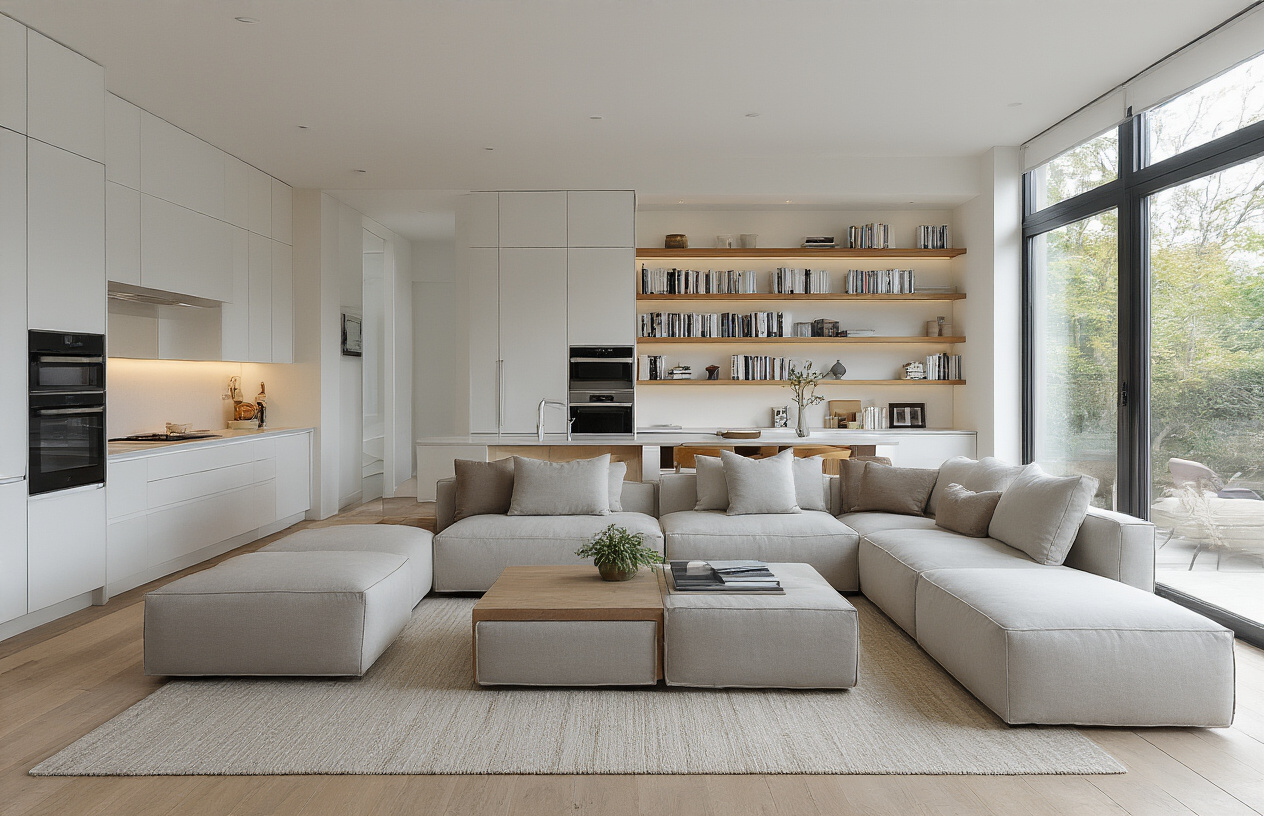
Add Banquette Seating for Cozy Dining Areas
Banquette seating transforms open plan living spaces by creating intimate dining zones while maximizing space efficiency. This built-in seating solution integrates seamlessly into kitchen islands or dining areas, providing a perfect link between cooking and dining spaces. The multifunctional nature of banquette seating allows it to serve multiple purposes – from casual breakfast seating to formal dining arrangements.
When positioned strategically, banquette seating aids traffic flow through your open plan space while offering additional storage underneath. This approach prevents awkward, wasted spaces by optimizing floor area for multiple functions. The cozy atmosphere created by banquette seating makes it ideal for families who want to hang out together, with parents able to prepare meals while interacting with children during homework or projects.
Integrate Home Office Spaces Seamlessly
Modern open plan living design ideas must accommodate changing work habits, with home offices becoming essential components of multifunctional spaces. The key is creating dedicated work zones that don’t disrupt the overall flow of your living area. Consider incorporating fold-out desks or convertible furniture that can transform dining areas into productive workspaces.
Kitchen islands present excellent opportunities for integrated home office solutions, featuring large countertops that serve multiple functions – working, studying, cooking, and eating. This demonstrates the importance of versatility in contemporary design, where spaces adapt to various needs throughout the day. Smart storage solutions ensure these work areas maintain a clean, uncluttered appearance when not in use.
Create Game Room Areas Within Main Living Space
Open concept living spaces naturally lend themselves to entertainment zones, where families can pursue separate activities while remaining connected. Game room areas can be seamlessly integrated through strategic furniture placement and zoning techniques. Consider how traffic flow will work around entertainment areas – avoid positioning game zones where they obstruct pathways to gardens or interfere with television viewing from seating areas.
The beauty of modern open plan living design ideas lies in their flexibility. Game areas can double as study zones for children, with thoroughly designed storage cabinets providing easy access to toys, books, and supplies. This multifunctional approach supports creativity and learning while maintaining an organized, aesthetically pleasing environment.
Install Statement Lighting for Unified Ambiance
Lighting plays a vital role in modern multifunctional living spaces, with statement fixtures serving both functional and decorative purposes. Smart lighting systems allow residents to adjust conditions to suit different activities – dim lighting creates relaxing atmospheres while bright lights support work or cooking tasks. These systems can be controlled remotely, adding convenience to daily routines.
When planning lighting for open plan spaces, wire zones on different circuits to adjust mood throughout various areas. This approach allows you to create intimate dining experiences while maintaining bright, functional lighting in work areas. Consider both natural and artificial light sources, using large windows and skylights to maximize daylight while incorporating decorative fittings for evening ambiance.
Statement lighting fixtures help define different zones within your open plan space while maintaining visual cohesion. Whether through pendant lights over kitchen islands or sculptural floor lamps in seating areas, lighting becomes a unifying design element that enhances the overall functionality and aesthetics of your modern open plan living space.
Enhance Architectural Features
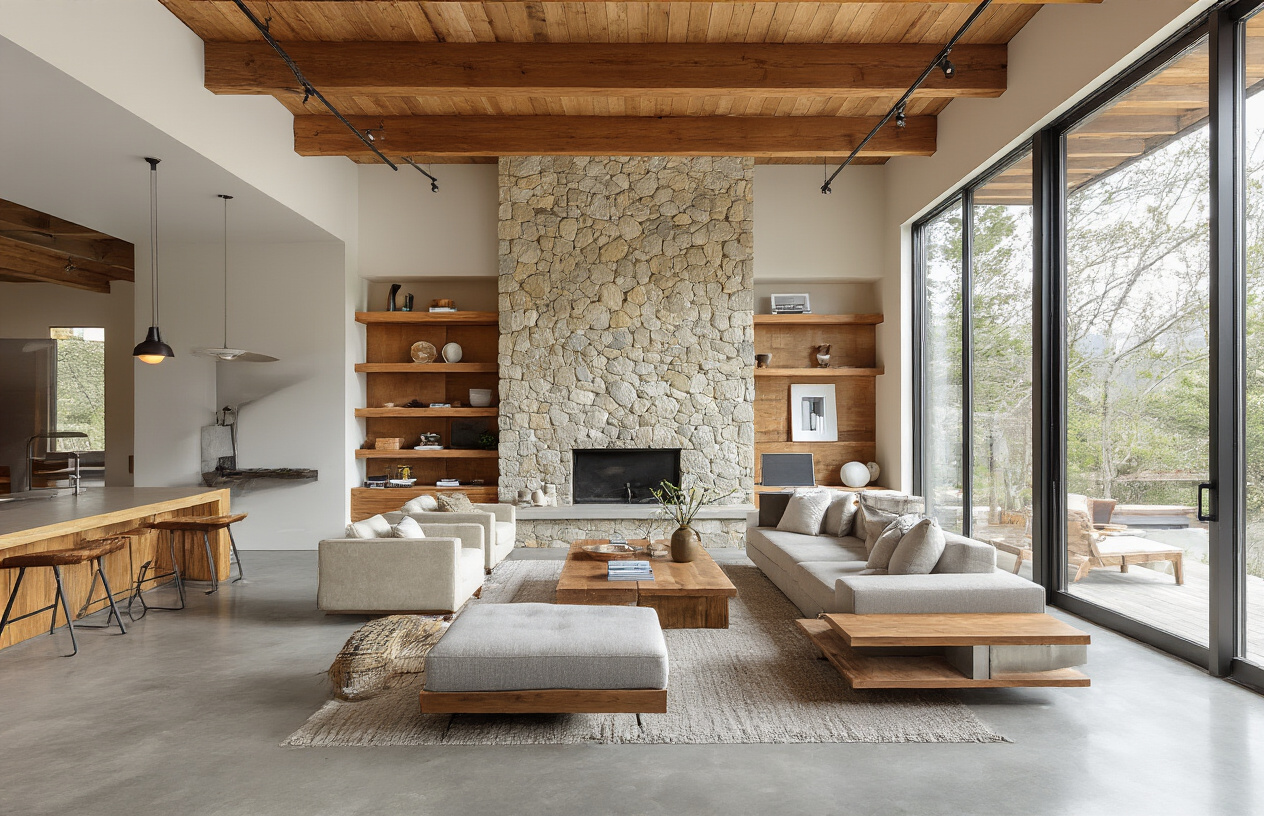
Highlight Ceilings with Coordinated Finishes
Modern open plan living design ideas benefit tremendously from coordinated ceiling treatments that create visual unity across the space. In open-plan layouts, the ceiling serves as the unifying element that ties together different functional areas without physical barriers. Consider using consistent materials and finishes across the kitchen, living, and dining zones to maintain visual flow while allowing each area to retain its distinct purpose.
Clean lines and sophisticated ceiling treatments work particularly well in contemporary open plan designs. Linear elements such as exposed beams, coffered details, or tray ceiling configurations can help define different zones while maintaining overall cohesion. The key lies in selecting finishes that complement both the kitchen’s functionality and the living area’s comfort requirements.
Use Patterned Wallpaper on Feature Walls
Strategic accent walls with patterned wallpaper can create dramatic focal points in open plan living spaces while establishing visual boundaries between functional areas. This approach allows you to introduce personality and design interest without compromising the fluid nature of the open concept layout.
Select wallpaper patterns that coordinate with your overall design language, ensuring the colors and textures echo elements found throughout the space. A well-placed feature wall behind the dining area or living room seating can anchor the space visually while maintaining the open flow that makes these layouts so appealing for modern living.
Install Custom Built-In Cabinetry and Storage
Custom built-in cabinetry serves dual purposes in open plan living design ideas, providing essential storage while creating natural room divisions. These architectural elements become interactive features that define spaces without the need for traditional walls, addressing one of the primary challenges of open concept living.
Full-height bookcases and integrated storage systems can separate kitchen and living areas while maintaining visual continuity. These structures offer both storage and useful work surfaces, serving as transitional elements that create smooth flow between zones. Storage systems integrate appliances, shelves, and open compartments into defined zones that adapt to various functions of both kitchen and living areas.
The beauty of custom built-ins lies in their ability to reflect the lifestyle of inhabitants while maintaining a consistent visual language throughout the space. These solutions combine functionality with aesthetics, turning necessary storage into design features that enhance the overall open plan experience.
Incorporate Fireplaces as Central Focal Points
Fireplaces serve as natural gathering points in open plan living spaces, creating warm, welcoming atmospheres that draw people together. As central focal points, they help anchor the living area within the larger open concept space while providing visual weight and architectural interest.
The positioning of a fireplace can help define the living zone within the broader open plan layout, creating a natural separation between relaxation and other activities. Modern fireplace designs complement the clean lines typical of contemporary open plan aesthetics, while traditional styles can add character and warmth to more eclectic design schemes.
Consider the fireplace’s relationship to other architectural features in the space, ensuring it enhances rather than competes with elements like kitchen islands or built-in storage systems. The fireplace becomes part of the overall design narrative that makes open plan living both functional and inviting.
Define Specific Activity Zones
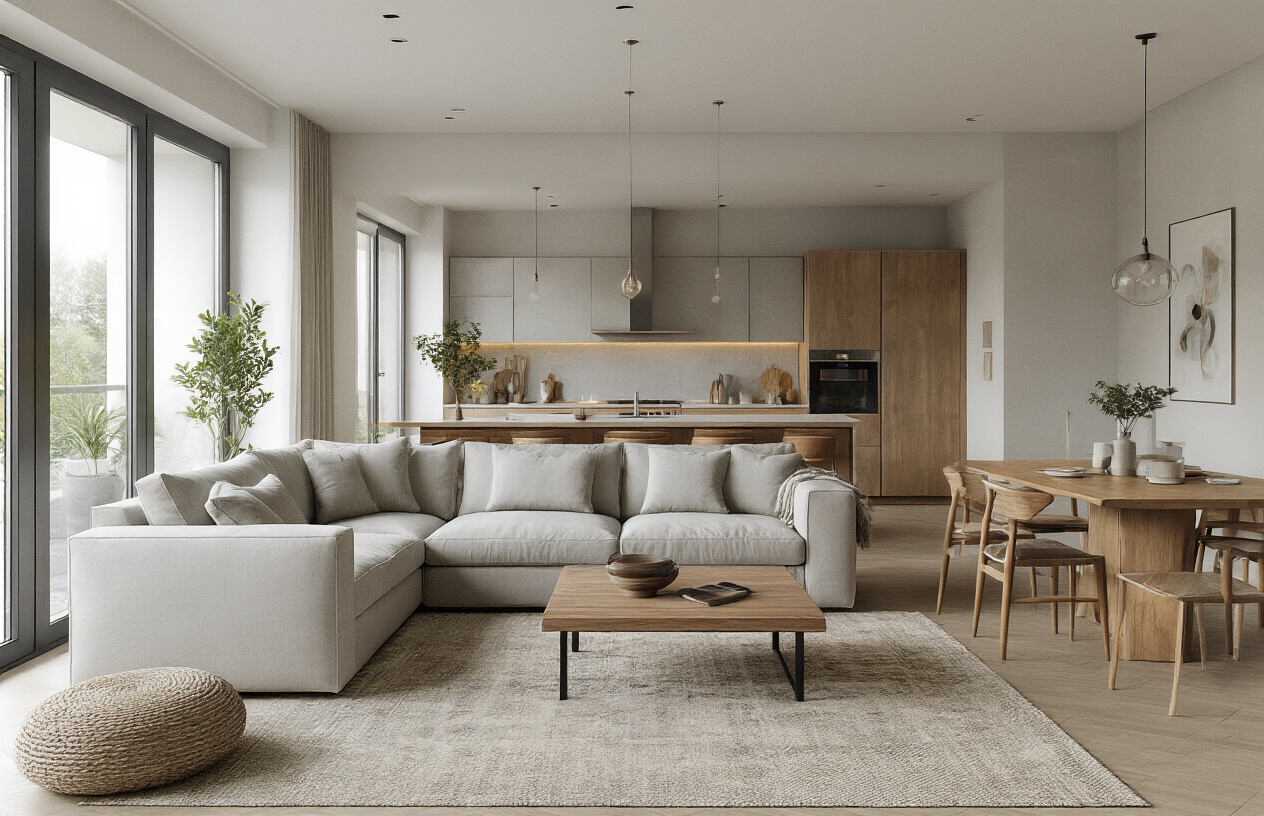
Create Entryway Areas with Decorative Tables
Console tables positioned behind furniture zones serve as excellent tools for establishing entryway areas in open plan living spaces. These surfaces create visual barriers while providing functional height and definition to transitional zones. The more height you add to your console table through accessories and decorative items, the more effective visual barrier you’ll create.
Consider incorporating tall vases, high stacks of books, and table lamps on your console surfaces to maximize their impact as zone dividers. This approach works particularly well when placing a console table behind a sofa, creating an immediate sense of separation between living and dining areas. The strategic placement of these decorative elements helps signal different areas within your open floor plan without requiring permanent structural changes.
Design Dedicated Dining Spaces with Color Contrast
Color contrast serves as a powerful tool for defining dedicated dining spaces within open plan living design ideas. One effective technique involves painting a single accent wall in a different color than surrounding walls to signify a transitional space. This visual cue helps establish clear boundaries between dining and living areas while maintaining the open feel of your layout.
Bold pops of color through area rugs can radically transform dining zones, giving them distinct personalities within the larger space. When selecting rugs for dining areas, ensure they’re appropriately sized to accommodate at least the main furniture pieces, such as the dining table and chairs, creating a cohesive zone that feels intentionally separated from adjacent living spaces.
Establish Reading Nooks with Proper Lighting
Strategic lighting placement plays a crucial role in establishing intimate reading nooks within open plan spaces. Striking light fixtures carry visual weight and help define specific zones, becoming even more pronounced at night when they illuminate and punctuate designated areas. Table lamps positioned on console tables or side surfaces contribute to both ambient lighting and zone definition.
Consider creating cozy seating arrangements with decorative folding screens that can inject pattern and color while forming intimate reading areas. These versatile pieces offer low-commitment division options that can be easily repositioned or removed when you want to restore the full open floor plan experience.
Use Patterns to Create Visual Interest and Rhythm
Patterns serve multiple functions in open plan living design ideas, creating both visual interest and helping establish rhythm throughout connected spaces. Decorative folding screens with bold patterns can transform areas while adding color and texture to your layout. The density of your chosen patterns directly impacts visibility between zones – less dense patterns maintain sightlines while still providing definition.
Fixed decorative dividers with geometric or artistic patterns create elegant separation while adding distinctive architectural features to your space. When selecting patterns for room dividers, coordinate them with surrounding design elements and architectural details to ensure they feel intentional rather than afterthoughts. Classic midcentury modern-style breeze blocks or contemporary geometric metal dividers can beautifully complement existing furniture and design themes while establishing clear activity zones throughout your open living space.
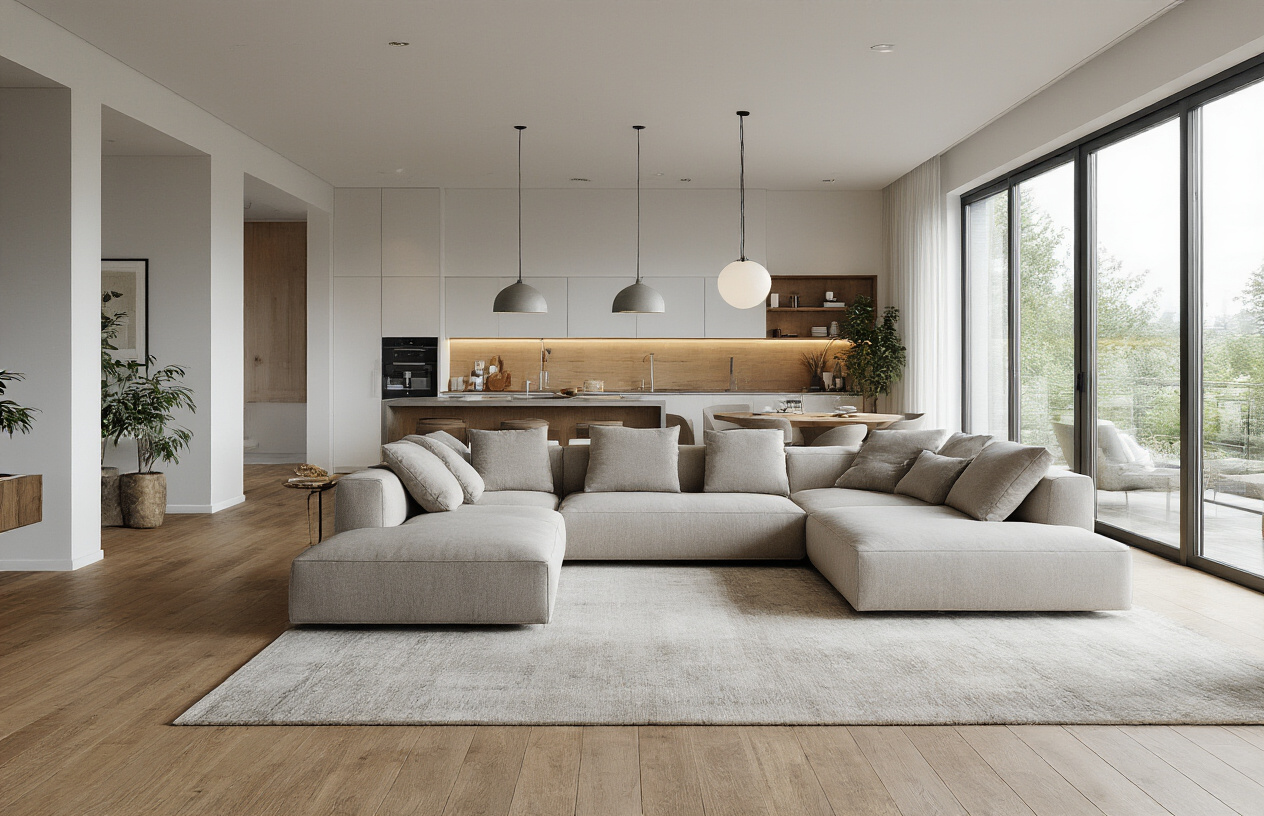
Creating a successful open plan living space requires thoughtful consideration of each design element, from establishing visual separation without walls to defining specific activity zones. By implementing strategic color palettes, maximizing natural light flow, and incorporating functional design elements like area rugs and built-in storage, you can transform a large open area into a cohesive yet distinct multi-purpose environment. The key lies in balancing unity and definition—using consistent materials and textures throughout while creating clear boundaries between different living areas.
Your open concept space should reflect your lifestyle and enhance daily functionality. Whether you choose to anchor seating areas with sectional sofas, define zones with statement lighting, or enhance architectural features like fireplaces and exposed beams, remember that the most effective open plan designs feel both spacious and intimate. Start with one or two of these design strategies and gradually build your space, allowing each element to work harmoniously in creating a home that truly flows.