


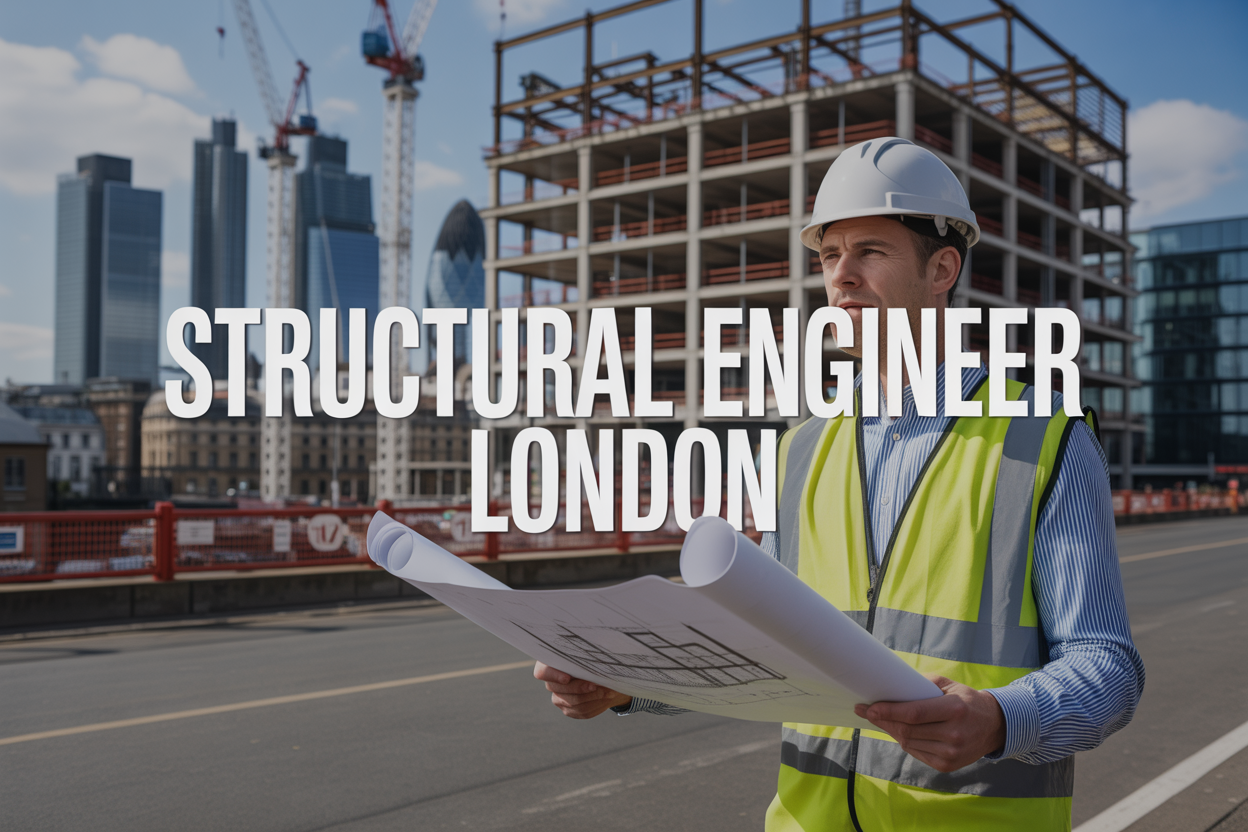
Finding the right structural engineer London has to offer can make or break your construction project. This guide is for homeowners, architects, and developers who need expert structural engineering support across the capital.
London’s unique mix of historic buildings and modern developments creates complex engineering challenges. From Victorian terraces needing wall removals to cutting-edge commercial towers, the city demands engineers who understand both traditional construction methods and innovative design approaches.
We’ll explore London’s comprehensive structural engineering services and how local firms tackle everything from residential extensions to major infrastructure projects. You’ll also discover the innovative approaches top London engineers use to solve modern construction challenges, including climate-focused design strategies that are reshaping the industry. Finally, we’ll walk through choosing the right structural engineer for your specific project, covering costs, qualifications, and what questions to ask before hiring.
Leading Structural Engineering Expertise in London
World-class engineering practices with global reach
London’s structural engineering sector represents some of the most sophisticated and internationally recognized practices in the world. The capital’s structural engineers have established themselves as leaders in delivering complex engineering solutions that meet both local and global standards. With firms like Davies Maguire operating across multiple locations including London, Cambridge, and Oxford, these practices demonstrate the geographic reach and expertise that characterizes London’s engineering landscape.
The city’s structural engineering consultancies work on projects spanning the entire UK while serving diverse client bases ranging from individual homeowners to large-scale developers. This versatility showcases the adaptability and comprehensive capabilities that London-based structural engineers bring to every project, whether residential or commercial in nature.
Expertise in iconic modern buildings and structures
London’s structural engineers have built their reputation through involvement in some of the most prestigious and challenging projects in the industry. Davies Maguire, for example, works on iconic structural engineering projects that have garnered national and international recognition. These award-winning sustainable solutions demonstrate the innovative thinking and technical excellence that London’s structural engineering community consistently delivers.
The expertise extends across various project scales and complexities, from intricate residential structural modifications to large-scale commercial developments. This breadth of experience in iconic projects positions London’s structural engineers as trusted advisors for any construction challenge, ensuring that each project benefits from world-class engineering principles and proven methodologies.
Advanced software and digital engineering capabilities
London’s leading structural engineering firms have embraced cutting-edge technology and digital engineering tools to enhance their design and analysis capabilities. This technological integration allows for more precise calculations, advanced modeling, and innovative solutions to complex structural challenges.
The adoption of sophisticated engineering software enables London-based structural engineers to deliver more accurate assessments, optimize designs for sustainability, and provide clients with detailed visualizations of proposed solutions. This digital-first approach ensures that projects are completed more efficiently while maintaining the highest standards of structural integrity and safety compliance.
Comprehensive Structural Engineering Services

Structural calculations for home alterations and extensions
comprehensive calculation packages
Structural calculations form the backbone of safe home alterations and extensions across London. These detailed engineering assessments ensure that proposed modifications meet building regulations while maintaining structural integrity. When planning house extensions, chartered structural engineers evaluate load paths, foundation requirements, and connection details to existing structures. The calculations encompass various beam types including simply supported beams, fixed beams, cantilever beams, and continuously supported beams, each serving specific structural purposes in domestic projects.
Professional structural engineers specializing in residential projects throughout Greater London provide comprehensive calculation packages that address both temporary and permanent structural modifications. These calculations are essential for loft conversions, including Velux, Mansard, Hip-to-Gable and Dormer conversions, where roof structures require careful analysis to accommodate new living spaces safely.
Load-bearing wall assessments and RSJ calculations
Load-bearing wall assessments represent a critical component of structural engineering services for London properties. These evaluations determine which walls support structural loads and establish safe removal or modification procedures. When homeowners seek to create open-plan living spaces or modify room layouts, chartered structural engineers conduct thorough assessments to identify load paths and calculate appropriate replacement solutions.
RSJ (Rolled Steel Joist) calculations are frequently required when removing load-bearing walls. These steel beam calculations determine the correct size, grade, and installation method for replacement structural elements. The engineering analysis considers imposed loads, dead loads, and any dynamic forces that the new steel beam must support. Proper RSJ calculations ensure compliance with building regulations while providing long-term structural stability for modified domestic properties throughout London and surrounding areas.
Building regulation compliance reports and designs
These comprehensive reports, prepared by chartered structural engineers, include detailed designs that ensure your project meets current UK building standards and passes building control inspections without delay.
Building regulation compliance reports provide essential documentation demonstrating that structural modifications meet current UK building standards. These comprehensive reports, prepared by chartered structural engineers, include detailed designs, calculations, and specifications that building control departments require for approval. The documentation covers structural adequacy, fire resistance, and accessibility requirements specific to the proposed alterations.
Professional engineering consultancy services ensure that designs align with current building regulations while incorporating innovative approaches to modern construction challenges. These compliance reports facilitate smooth approval processes and provide homeowners with confidence that their projects meet all statutory requirements. The reports include detailed drawings, material specifications, and construction sequences that contractors can follow to achieve compliant installations across residential projects in Greater London.
Innovative Approaches to Modern Construction Challenges

Low-carbon design and sustainable engineering solutions
Now that we have covered the fundamentals of structural engineering expertise in London, let’s explore how innovative approaches are reshaping modern construction. Sustainable structural engineering has emerged as a critical discipline, particularly in London’s evolving construction landscape. The capital’s structural engineers are increasingly focusing on lean design principles that minimize material usage while maximizing structural performance.
Low embodied carbon structures represent the future of construction, requiring engineers to carefully evaluate material selection, construction methods, and long-term building performance. Modern structural engineers in London are implementing regenerative design approaches that go beyond traditional sustainability metrics to create buildings that actively contribute to environmental restoration.
The emphasis on net-zero carbon construction has transformed how structural engineers approach project design. This involves comprehensive lifecycle assessments, optimized structural systems, and innovative material applications that significantly reduce environmental impact. London’s structural engineers are leading this transformation through design-based learning methodologies that integrate climate emergency considerations into every project phase.
Existing building reuse and adaptive structural solutions
Previously, we’ve seen how new construction dominated London’s skyline, but today’s structural engineers are pioneering adaptive reuse strategies that breathe new life into existing structures. This approach not only reduces environmental impact but also preserves London’s architectural heritage while meeting modern performance standards.
Adaptive structural solutions require deep understanding of existing building behavior, materials analysis, and innovative strengthening techniques. Structural engineers specializing in building reuse must assess structural resilience under different hazards while implementing upgrades that extend building lifespan significantly.
The process involves detailed structural surveys, material testing, and creative engineering solutions that transform obsolete buildings into high-performance modern spaces. This methodology aligns with UN Sustainable Development Goals by reducing waste, conserving resources, and minimizing urban sprawl.
Timber engineering and alternative material applications
With this in mind, next, we’ll explore how timber engineering and alternative materials are revolutionizing structural design in London. Modern timber engineering represents a significant shift toward renewable, low-carbon structural solutions that offer excellent strength-to-weight ratios and aesthetic appeal.
Alternative material applications extend beyond traditional timber to include engineered wood products, bio-based composites, and innovative hybrid systems. These materials require specialized knowledge in structural behavior, connection design, and long-term performance characteristics.
London’s structural engineers are developing expertise in mass timber construction, cross-laminated timber systems, and glulam beam applications that enable large-span, multi-story structures. These solutions contribute to longer-lasting infrastructure while supporting the construction industry’s transition toward sustainable practices and reduced environmental impact.
Climate-Focused Structural Design Leadership

Innovation in New Structural Systems and Materials
The structural engineering industry is experiencing a transformative shift toward sustainable materials and innovative construction approaches. Modern structural engineers in London are accelerating the adoption of low embodied carbon materials across all projects, recognizing that traditional construction methods contribute nearly 40% of energy-related carbon dioxide emissions. This paradigm shift demands the implementation of recycled concrete and steel to minimize waste and carbon emissions, while exploring renewable alternatives like bamboo and timber for appropriate applications.
Advanced insulated wall panels are revolutionizing energy efficiency in structural design, significantly reducing heating and cooling costs for building owners. Self-healing concrete represents another breakthrough innovation, extending building lifespan while dramatically reducing maintenance requirements. These materials work in conjunction with high-performance windows and specialized shading devices that collectively lower energy demands throughout the building’s lifecycle.
The integration of IoT-enabled structural monitoring systems allows real-time detection of stress and load conditions, ensuring optimal performance while minimizing material waste. This technology-driven approach to material selection and system design represents the future of sustainable construction in London’s competitive market.
Leading Industry Thinking on Environmental Regulations
Structural engineers in London are at the forefront of advocating for faster change toward regenerative design practices and increased governmental funding priorities to support environmental initiatives. The industry is actively working to establish climate and biodiversity mitigation principles as key measures of success, demonstrated through awards, prizes, and professional listings.
Professional practices are committing to raise awareness of climate and biodiversity emergencies among clients, collaborators, and supply chains. This leadership extends to sharing knowledge and research on an open-source basis, fostering industry-wide collaboration on environmental solutions. The focus on upgrading existing buildings for extended use presents a more carbon-efficient alternative to demolition and new build whenever viable choices exist.
Life cycle costing and whole life carbon modeling are becoming standard components of project scope, ensuring both embodied and operational resource use reduction. This comprehensive approach to environmental regulation compliance positions London’s structural engineering sector as a global leader in sustainable construction practices.
Design Approaches for Genuine Climate Improvement Outcomes
The implementation of regenerative design principles in practice aims to achieve net zero carbon standards across all structural engineer London projects. These approaches evaluate every new project against the aspiration to contribute positively to climate breakdown mitigation, encouraging clients to adopt similar environmental commitments.
Collaboration with architects, engineers, and contractors has become essential to reduce construction waste and optimize resource utilization. This interdisciplinary approach ensures that structural engineering designs minimize wasteful use of resources both in quantum and detail, creating buildings that function as components of larger, self-sustaining systems in balance with the natural world.
Smart building technologies integration includes automated energy management systems that monitor and control power usage, while green roofs and living walls regulate temperature and improve insulation. Sustainable water management through rainwater harvesting systems and permeable pavements supports groundwater recharge while reducing water runoff. These comprehensive design strategies ensure that residential structural engineer London projects contribute to genuine environmental improvement rather than merely meeting minimum compliance standards.
Choosing the Right Structural Engineer in London

Benefits of specialist expertise for project safety and compliance
Engaging a qualified structural engineer London provides brings essential safety assurance and regulatory compliance that protects both property and occupants. Professional structural engineers deliver over a decade of experience in conducting assessments to only the highest standards, ensuring that all structural modifications, extensions, and renovations meet building control requirements.
When undertaking home extensions, loft conversions, or removing walls from your home, structural engineering expertise becomes crucial for notifying local building control teams who require structural calculations before works can be signed off. Chartered structural engineers like those at established London firms bring specialized knowledge in design elements across timber, steel, concrete, and masonry structures, whether for retaining walls, steel connections, temporary works, chimney support, or foundation design.
The professional qualifications and experience of these specialists ensure meticulous attention to detail and adherence to regulatory compliance standards. This expertise proves particularly valuable for complex projects involving historic structures or specialized requirements like flood risk assessments and sustainable drainage systems design.
Risk reduction and cost-effective project delivery
Now that we understand the safety benefits, professional structural engineers significantly reduce project risks while delivering cost-effective solutions. Experienced engineers prioritize innovation, sustainability, and compliance with industry standards, enabling them to identify potential issues early and provide tailored solutions that prevent costly modifications later in the project.
The collaborative approach adopted by qualified structural engineers means they work alongside clients from conception to completion, often providing great suggestions that homeowners might not have considered. This proactive problem-solving approach has resulted in numerous successful projects where engineers have worked over bank holidays and delivered urgent structural calculations as promised, demonstrating their commitment to timely project delivery.
Professional engineers conduct comprehensive feasibility appraisals and provide detailed surveys assessing property structural integrity for mortgage valuations, planning purposes, and even reassurance throughout repair works. Their ability to turn around works within 1-2 weeks, with smaller jobs often completed in a week or less, ensures projects maintain momentum while meeting all safety and compliance requirements.
Finding qualified professionals through verified platforms
With this understanding of professional benefits, locating qualified structural engineer London specialists requires careful verification of credentials and experience. Look for chartered structural engineers who demonstrate proven track records through client testimonials and successful project completions across residential and commercial sectors.
Established firms typically maintain transparent communication channels, offering detailed consultations where complex structural defects can be explained clearly. Many qualified professionals provide initial assessments to review defects and discuss optimal resolution strategies, ensuring clients understand the scope and requirements before committing to full services.
When evaluating potential engineers, consider their experience with similar project types – whether residential renovations, commercial developments, or specialized requirements like subsidence issues or structural surveys London properties may need. Professional structural engineers should demonstrate their ability to work collaboratively with domestic clients, builders, developers, architects, and surveyors, ensuring seamless integration throughout the project development process.
The most reliable professionals offer comprehensive services from pre-planning assessments through to post-completion support, maintaining availability to respond to specific project concerns and explaining structural drawings clearly to all stakeholders involved.

London’s structural engineering landscape offers world-class expertise that spans from innovative climate-focused design to comprehensive construction solutions. The city’s leading firms combine cutting-edge digital engineering capabilities with deep technical knowledge to tackle complex modern challenges, whether you’re planning a small home extension or a large-scale development. From load-bearing assessments to sustainable material implementation, London’s structural engineers bring the specialized skills needed to ensure your project meets both safety standards and environmental objectives.
When selecting a structural engineer in London, prioritize firms that demonstrate proven experience with projects similar to yours and show commitment to low-carbon design approaches. The investment in professional structural engineering expertise not only ensures regulatory compliance but also reduces long-term risks and costly construction mistakes. With London’s highly rated structural engineering services consistently delivering exceptional results, partnering with the right professional will transform your construction vision into a safe, sustainable, and structurally sound reality.