

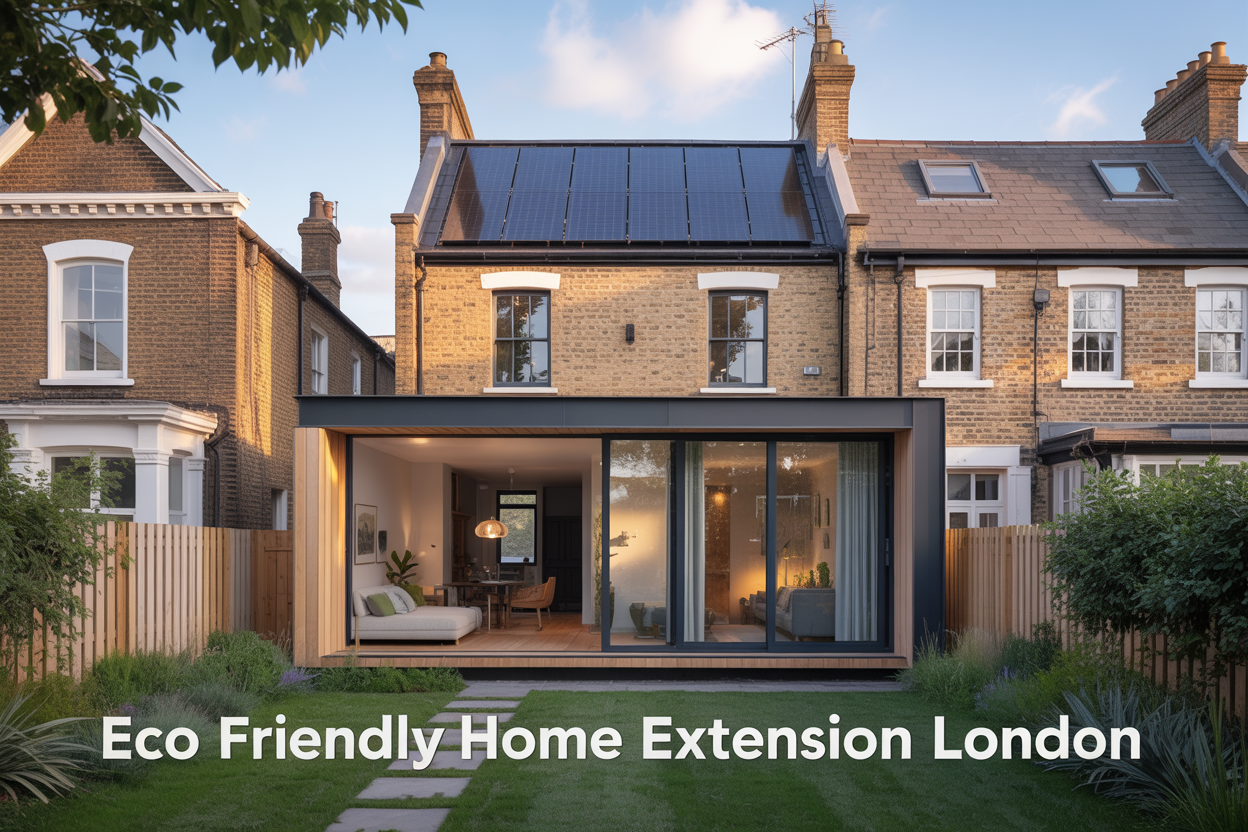
When we’re outgrowing our current home, building an eco friendly home extension London offers a smart alternative to the hassle and expense of moving. We help London homeowners add space while reducing their environmental impact and energy costs through sustainable building practices.
Our eco friendly home extension projects are perfect for growing families, remote workers needing home offices, or anyone wanting to increase their property value without relocating. We specialize in creating extensions that work with nature, not against it, using materials and methods that benefit both your wallet and the planet.
We’ll cover the key benefits of choosing extensions over moving, including how you can avoid stamp duty and estate agent fees while staying in your preferred neighborhood. You’ll also learn about our energy-efficient insulation solutions that dramatically cut heating bills, plus our cost-effective approaches to green lighting, better windows and doors, and simple draught-proofing measures that make an immediate difference.
Finally, we’ll explore our water conservation systems and solar energy integration options that transform your extension into a money-saving, eco-conscious space. Ready to discover how we can help you build the sustainable home addition London families love?
Benefits of Choosing Home Extensions Over Moving
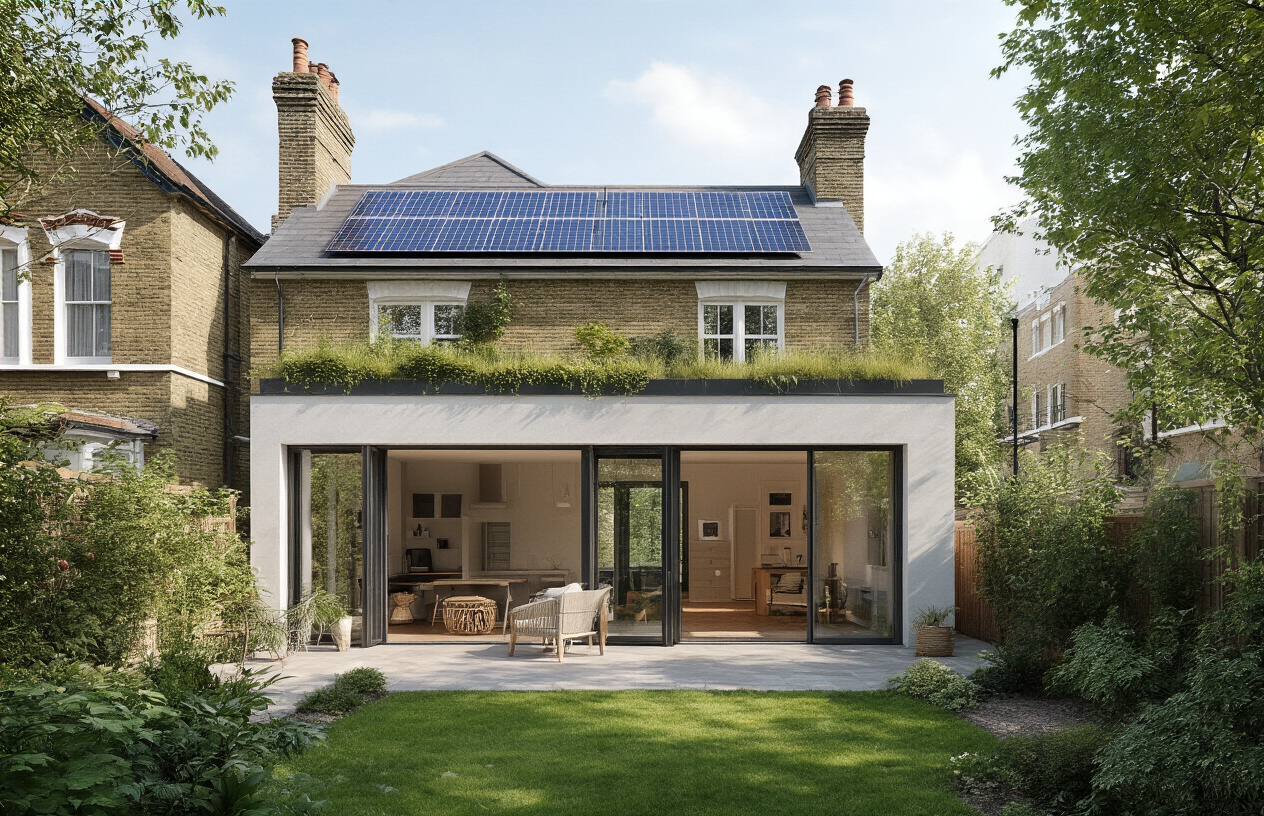
Avoid expensive moving costs and rising stamp duty fees
When considering our housing options, we often find that extending our current home proves far more cost-effective than relocating. Moving costs can easily reach £60,000-£100,000, including stamp duty fees, estate agent commissions, legal expenses, and removal costs. By choosing an eco friendly home extension London project instead, we avoid these substantial transaction costs entirely while investing directly into our property’s value and sustainability.
Create personalized space tailored to your family’s growing needs
Home extensions offer us complete customisation control that moving simply cannot match. Rather than compromising on an existing property’s layout, we can design spaces that perfectly accommodate our family’s specific requirements and lifestyle preferences. Whether we need additional bedrooms, open-plan living areas, or dedicated work spaces, extending allows us to create exactly what we envision without the limitations of available market properties.
Maximize your current property’s potential and value
We’ve discovered that well-designed extensions significantly increase property values while enhancing our daily living experience. Unlike moving to an unknown property with potential hidden defects or compliance issues, extending our current home gives us complete certainty about quality, materials, and construction standards. This approach allows us to stay in our beloved neighbourhood while building equity through strategic improvements that deliver strong returns on investment.
Planning and Legal Requirements for Extensions
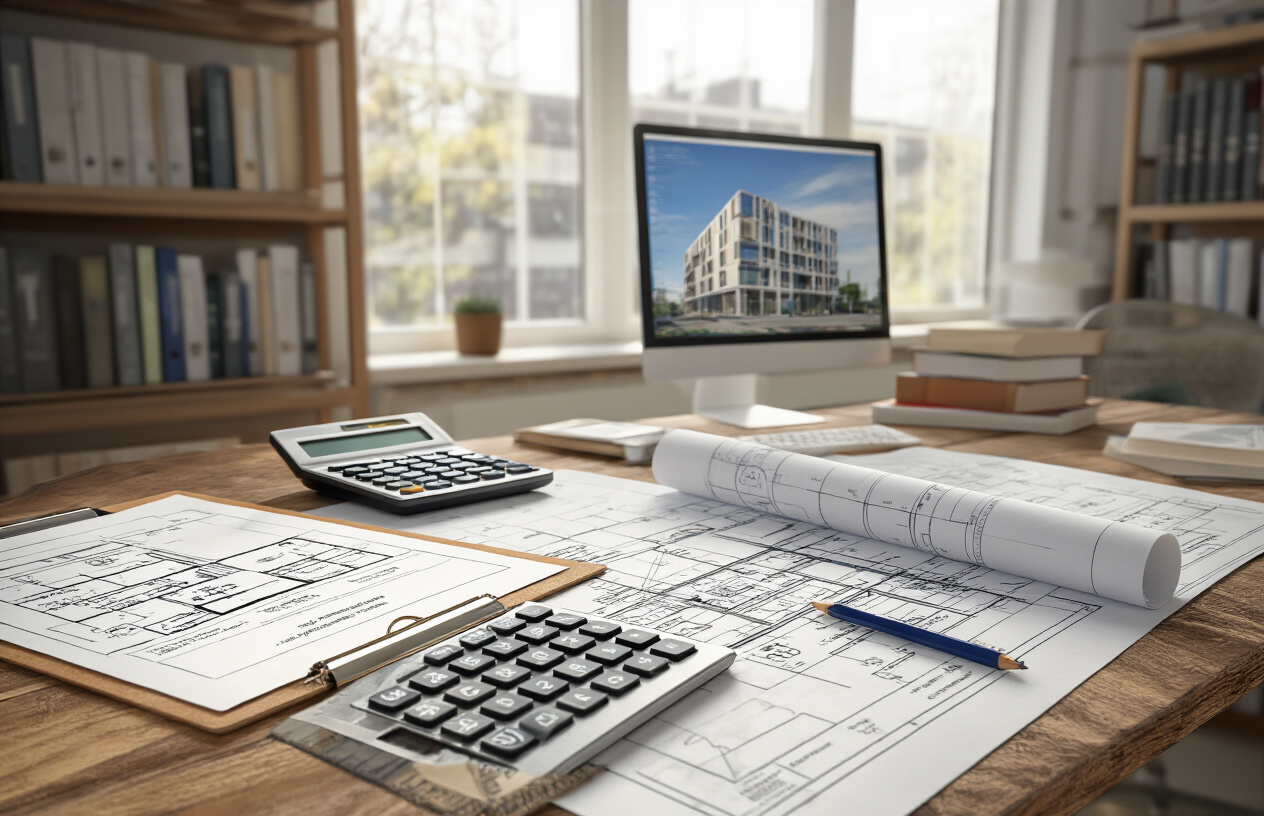
Understanding when planning permission is required
We must first determine whether your eco-friendly home extension requires formal planning permission or can proceed under Permitted Development rights. Not all extensions need planning permission in London – some can fall under permitted development rules provided they meet specific limits and conditions. However, flats, listed buildings, properties in conservation areas, and homes with existing restrictions typically require full applications. The property type, existing rights, heritage context, extension size and position, plus local restrictions all influence this decision.
Working with qualified architects for proper drawings
We recommend engaging qualified architects early in the planning process, as they understand both design requirements and planning expectations. Planning drawings for extension applications must communicate more than compliance – they explain how the extension relates to the existing house and why the design is appropriate. These drawings form part of the design process rather than being a technical afterthought, leading to stronger overall schemes. Quality drawings that clearly justify design decisions significantly improve approval chances and help avoid costly delays or refusals.
Obtaining detailed specifications for accurate pricing
We advise securing detailed specifications through comprehensive planning preparation before finalizing project budgets. The planning application process typically includes measured surveys, design development, planning drawings, submission, and local authority review. A stronger planning process usually incorporates early site and policy review, measured surveys with design testing, clear planning drawings, supporting documents where required, and realistic timelines. This thorough preparation not only improves planning success rates but also provides the detailed specifications needed for contractors to deliver accurate pricing for your eco-friendly extension project.
Energy-Efficient Insulation Solutions
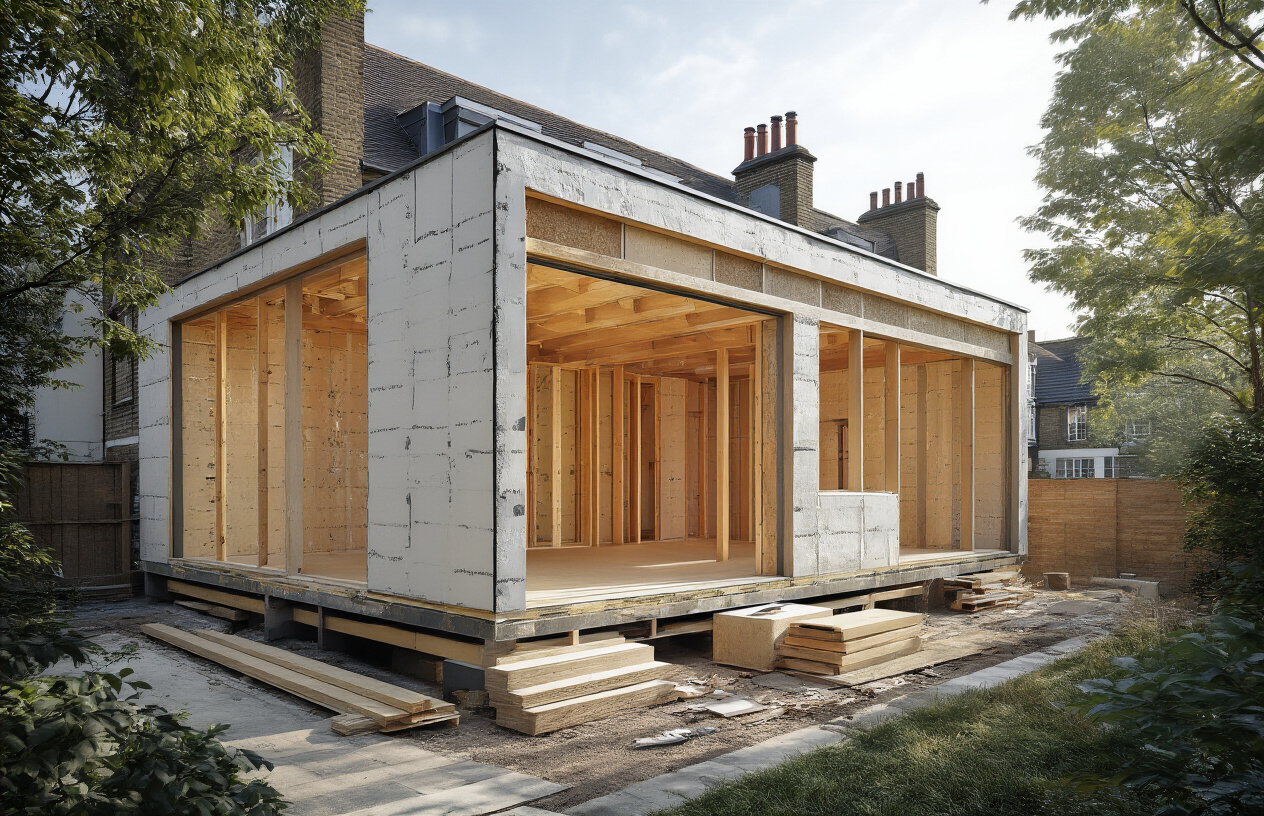
Install recommended 270mm loft insulation to save £110 annually
We recommend installing 270mm of loft insulation as this thickness significantly reduces heat loss through our roof, which accounts for over 35% of total heat loss in poorly insulated homes. This upgrade delivers substantial annual savings of £110 on energy bills while improving our home’s thermal efficiency for our eco-friendly London extension project.
Add insulating jackets to hot water tanks for carbon reduction
We can enhance our extension’s energy efficiency by installing insulating jackets around hot water tanks. These jackets create thermal barriers that reduce heat loss from stored water, directly lowering our carbon footprint and energy consumption throughout our eco-friendly home extension project.
Upgrade wall insulation for homes built after 1920
We should prioritize wall insulation upgrades in our London extension, particularly for properties built after 1920. Since walls contribute to approximately 25% of heat loss when inadequately insulated, upgrading our wall insulation creates essential thermal barriers that maintain stable internal temperatures while reducing our overall energy demands.
Cost-Effective Green Lighting and Electrical Upgrades
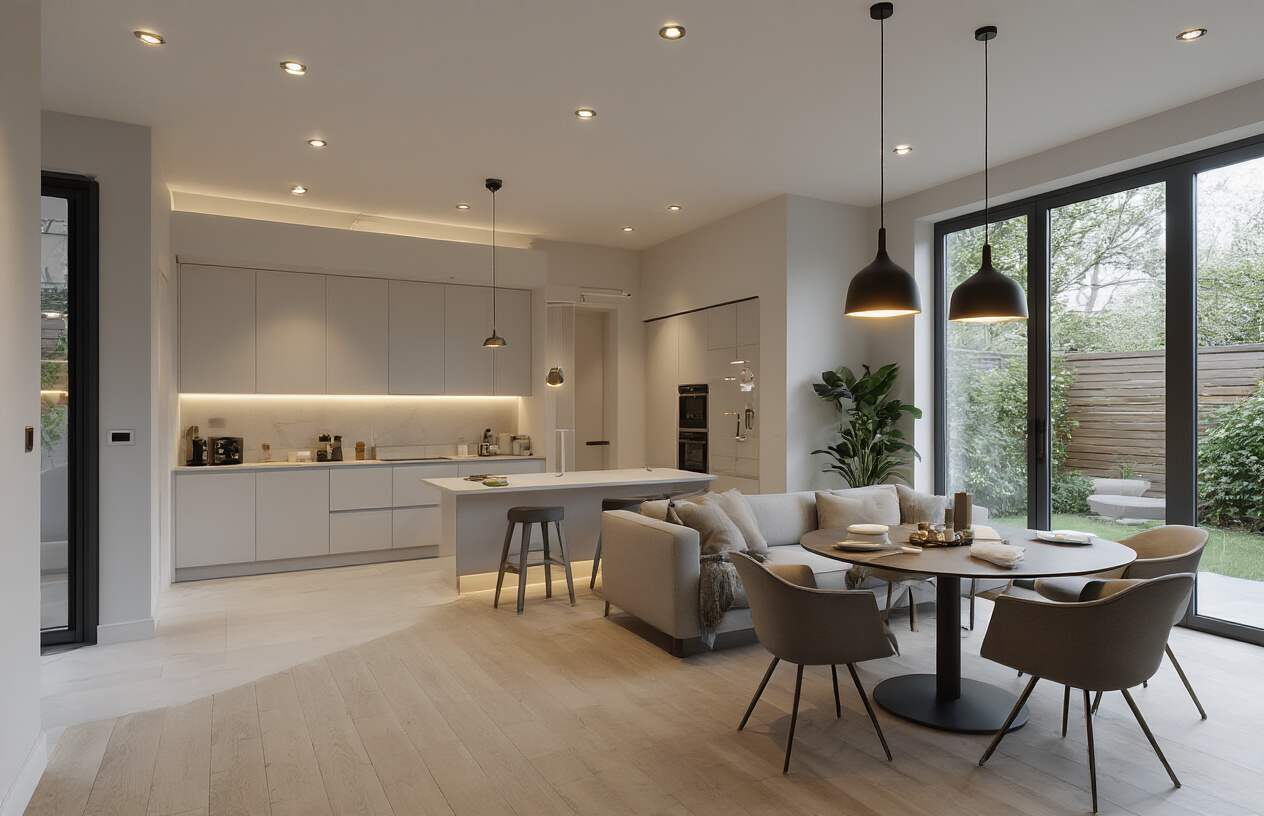
Switch to energy-saving bulbs that last eight times longer
When planning our eco friendly home extension London project, we should prioritize LED lighting upgrades that use up to 90% less energy than traditional incandescent bulbs. These energy-efficient alternatives last up to 25 times longer than conventional options, making them ideal for our extension’s long-term sustainability goals.
Calculate long-term savings across all household lighting
We can expect significant cost reductions by implementing energy-efficient lighting throughout our extension and existing home. According to energy experts, lighting accounts for around 15% of an average home’s electricity use, and households typically save about $225 annually by switching to LED lighting. For our eco friendly home extension London project, these savings compound over the bulbs’ extended lifespan.
Plan strategic placement of lights and switches during extension
During our extension planning phase, we should incorporate energy-efficient lighting controls such as timers and dimmers to maximize electricity savings. Timers automatically turn lights off when not in use, while dimmers allow us to adjust light levels as needed. For outdoor areas of our extension, we can install ENERGY STAR-qualified LED fixtures with automatic daylight shut-off and motion sensors to further enhance our eco-friendly approach.
Heat Loss Prevention Through Better Doors and Windows
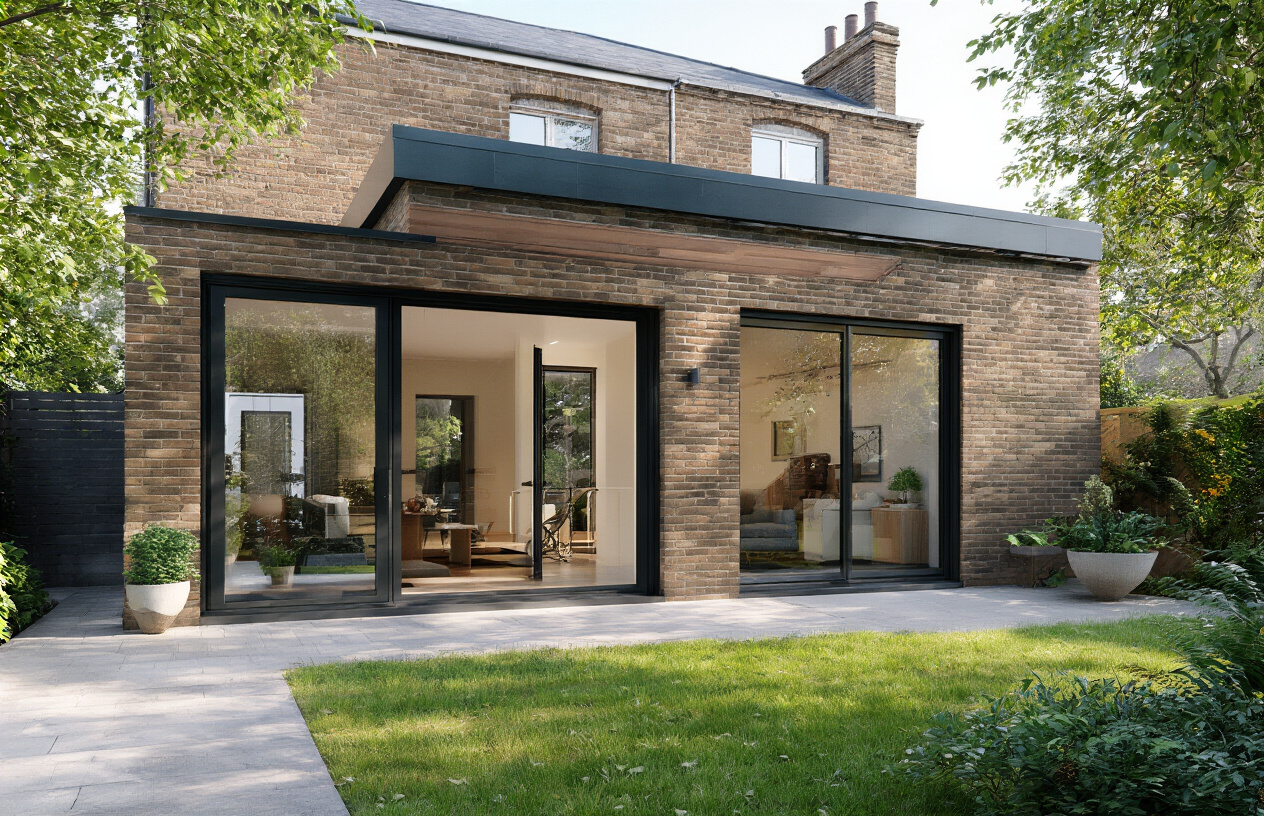
Install energy-efficient doors to prevent one-fifth heat loss
When planning our eco-friendly home extension in London, we must prioritize energy-efficient doors that significantly reduce heat transfer. According to ENERGY STAR certification standards, doors with lower U-factor ratings provide better insulation, preventing heat from escaping during winter months and maintaining comfortable indoor temperatures year-round.
Choose double glazing to cut heat loss by half
Double-pane glass naturally performs better than single-pane alternatives for energy efficiency, as the space between each pane acts as an additional layer of insulation from heat or cold. We recommend incorporating Low-E glass options that reduce ultraviolet and infrared light penetration to limit heat transfer, helping us achieve optimal energy conservation in our London extension projects.
Select products with published U-Values for maximum efficiency
We should always choose windows and doors that have undergone independent performance testing by the National Fenestration Rating Council (NFRC). Products with published U-values on a scale of 0-1 allow us to make informed decisions, with lower ratings meaning better insulation performance for our eco-friendly home extensions in London.
Simple Draught-Proofing Measures
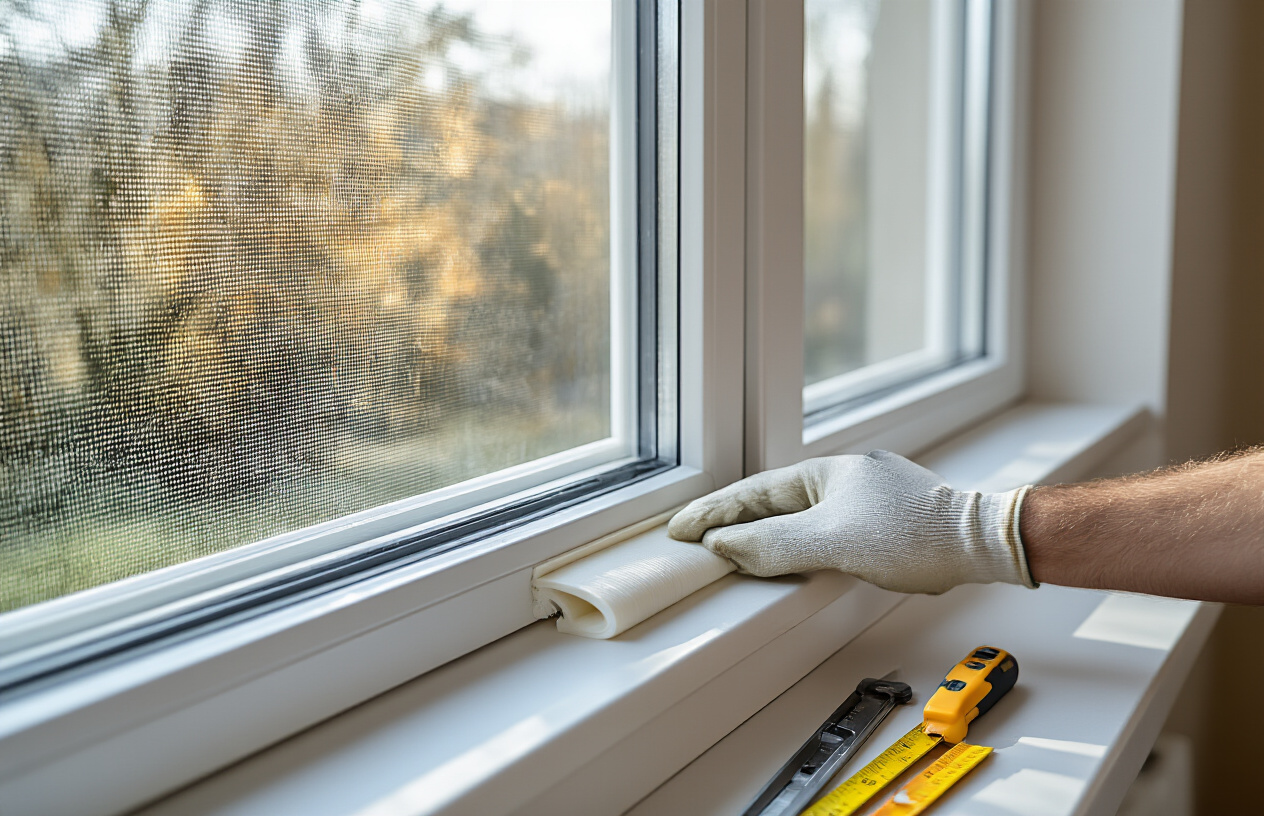
Use weather stripping and draught-excluder brushes
We can effectively seal gaps around windows and doors using weather stripping materials. Self-adhesive foam strips offer a cheap and easy installation option, though they may not last as long as metal or plastic strips with brushes or wipers attached. For doors, we recommend fitting brush or wiper strips around the edges and installing draught excluders at the bottom gap.
Install long curtains and door fabric barriers
Moving curtains serve as an excellent indicator of draughts in our homes. We can use heavy, long curtains as additional barriers against cold air infiltration around windows. Door fabric barriers and draught excluders placed at the bottom of doors create effective seals when positioned correctly, preventing unwanted air movement throughout our living spaces.
Save £20 annually and reduce CO2 emissions by 140kg
While professional draught proofing of windows and doors costs around £250 for an entire house, we can achieve significant savings through DIY measures. Our draught-proofing efforts around windows, floors and doors can save approximately £85 annually, with draught-free homes remaining comfortable at lower temperatures, allowing us to reduce thermostat settings and achieve additional energy savings.
Water Conservation Systems
Install Low-Flow Toilets to Reduce 40% Daily Water Waste
We can significantly reduce our water consumption by installing WaterSense labeled toilets during our eco friendly home extension London project. These high-efficiency fixtures can cut daily water waste by up to 40% compared to standard models. WaterSense labeled products are independently certified to meet EPA specifications for both water efficiency and performance, ensuring we don’t sacrifice quality while saving water.
Set Up Rainwater Recycling Systems to Halve Mains Water Usage
We should incorporate rainwater harvesting systems into our extension planning to dramatically reduce mains water dependency. Rain barrels and more sophisticated recycling systems allow us to reuse collected rainwater for landscape irrigation and non-potable uses. Professional contractors can design proper water storage and separation systems that supply recycled water to our irrigation sprinklers, similar to installations used in large commercial buildings.
Integrate Water-Saving Features During Extension Planning
We must consider water-efficient technologies from the outset of our home extension design. Smart irrigation controllers and soil moisture sensors can automatically adjust watering schedules based on actual conditions, with many municipalities offering rebates up to £250 for these installations. We can also incorporate leak detection devices that alert us to irregular water use, helping prevent the daily water waste that small household leaks can cause throughout our newly extended property.
Solar Energy Integration
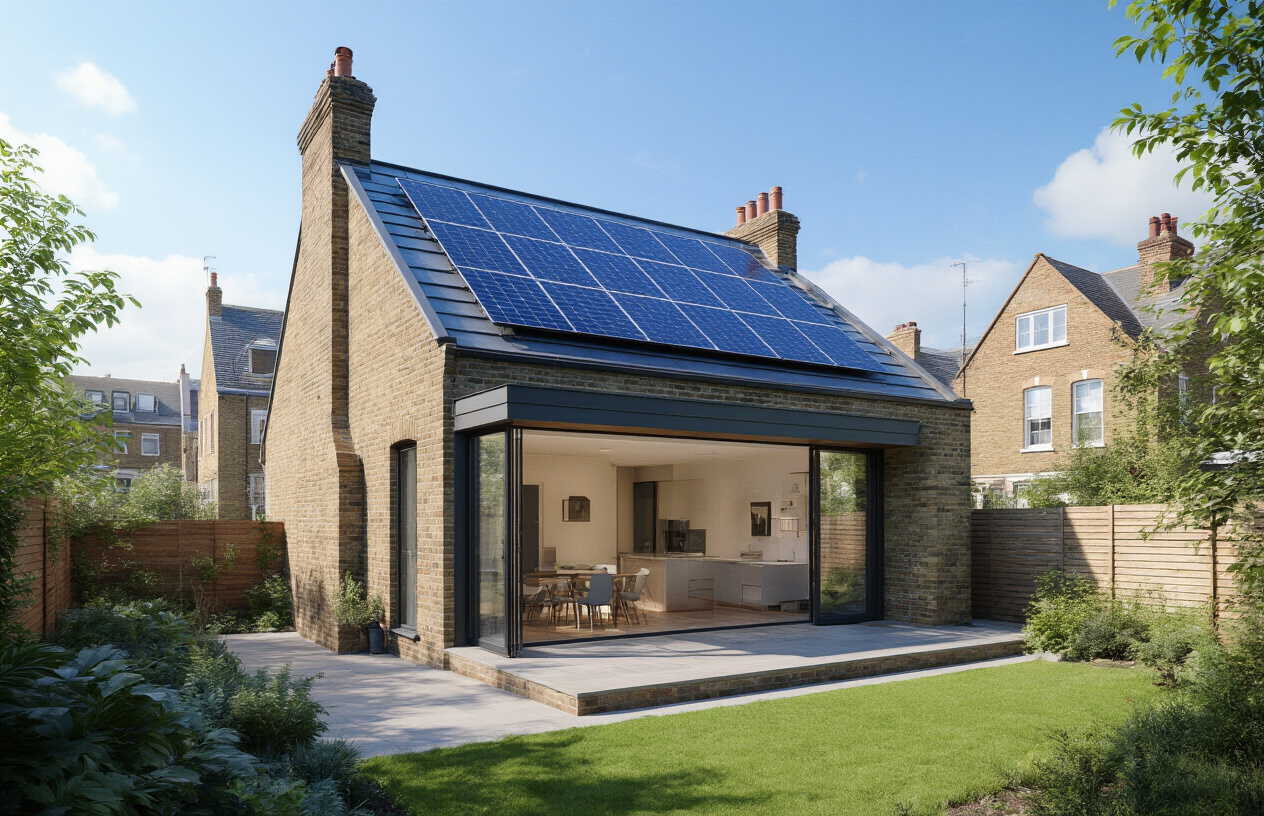
Add solar panels for water heating solutions
We can integrate solar panels into our eco friendly home extension London project to significantly reduce energy costs and environmental impact. Solar installations have increased by 138% in recent years, making this an optimal time to include renewable energy systems. During our extension work, we can take advantage of existing scaffolding to install panels cost-effectively, avoiding additional setup expenses later.
Consider photovoltaic panels for direct electricity generation
We should evaluate photovoltaic panels that convert sunlight directly into electricity using silicon-based cells and inverters. Our extension provides an ideal opportunity to optimise roof orientation and tilt angles between 30° and 40° for maximum solar gain. Whether we’re building single-story rear extensions, loft conversions, or conservatories, we can design the new roof space specifically for solar integration, ensuring unobstructed panel placement.
Plan long-term investment in renewable energy systems
We must consider the financial benefits when planning our solar investment for the extension. With typical payback periods ranging from 6 to 15 years, a 4kW system costing around £6,000 can generate approximately £569 annually through energy savings and Smart Export Guarantee payments. After the payback period, we’ll enjoy essentially free electricity for 25+ years while reducing our carbon footprint by 1.3 to 1.6 tonnes annually.
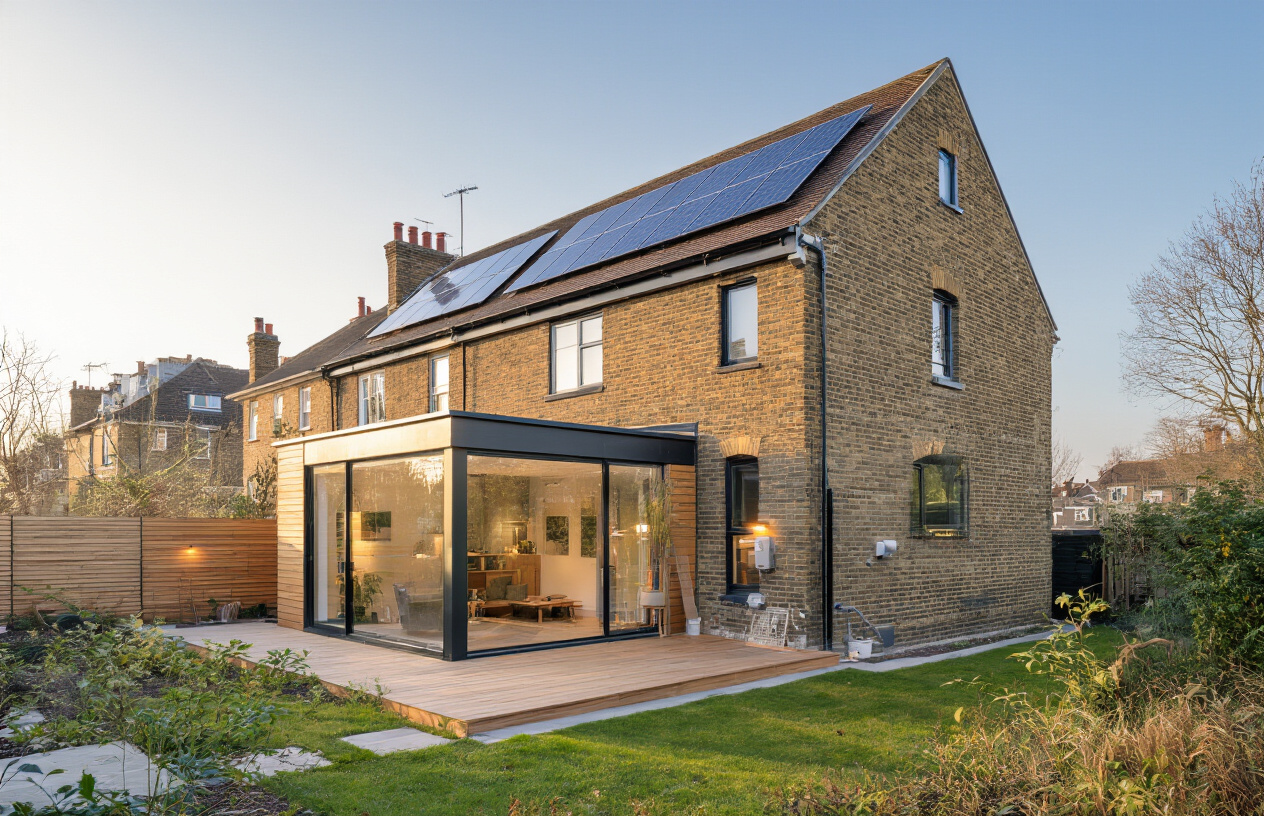
Creating an eco-friendly home extension in London offers a remarkable opportunity to transform your living space while significantly reducing your environmental impact. From energy-efficient insulation and LED lighting to double glazing and solar panel integration, each green upgrade contributes to substantial long-term savings on heating and energy bills. Simple measures like draught-proofing and water conservation systems can cut CO2 emissions by hundreds of kilograms annually while improving your home’s comfort levels.
We believe that extending your home presents the perfect moment to consider retrofitting and energy assessment for your entire property. Rather than facing the expensive and stressful process of moving, with rising stamp duty and hidden costs, you can create the space your growing family needs while building an environmentally responsible home. By choosing eco-friendly solutions during your extension project, you’re not only investing in your property’s future value but also taking meaningful steps toward sustainable living that benefit both your household budget and our planet.