

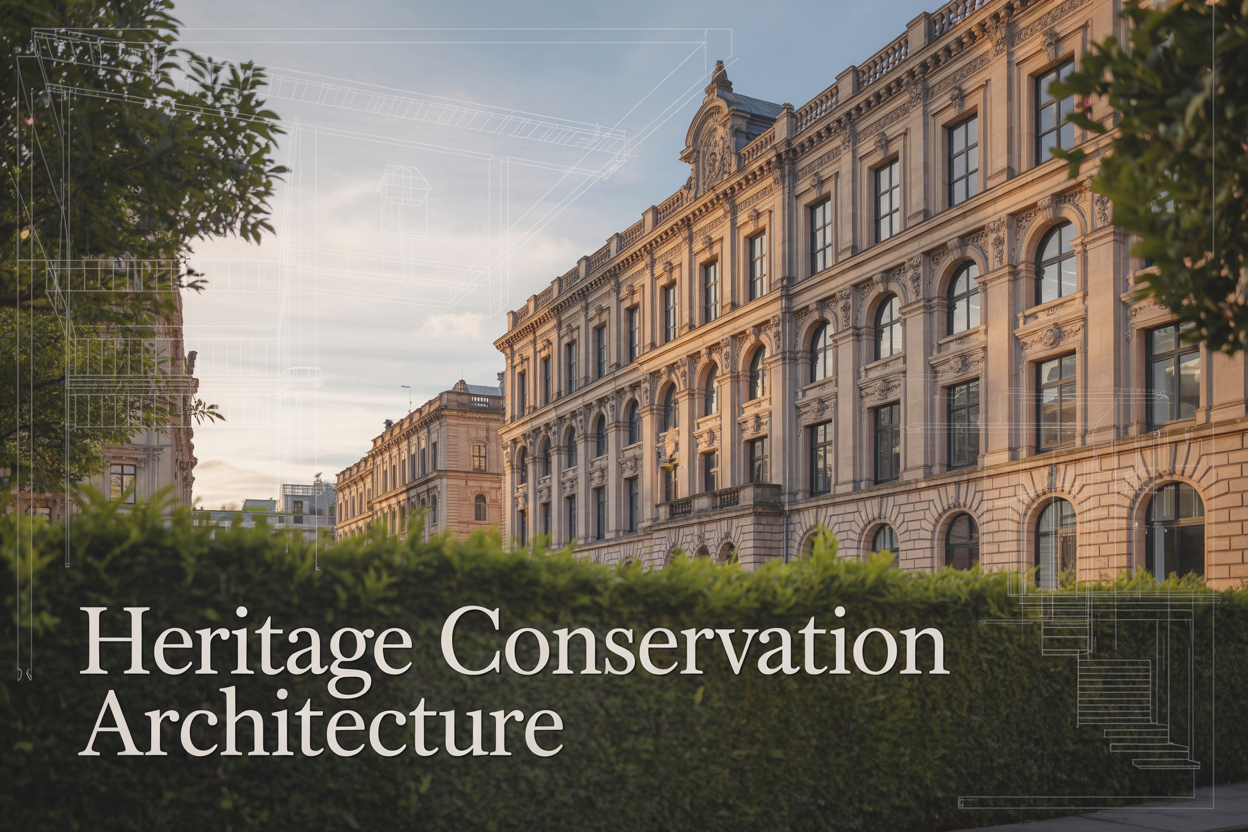
Finding the right Greenwich heritage architecture firm for conservation areas requires a partner who understands the exceptional significance of one of London’s most historically important boroughs. Greenwich is home to the Maritime Greenwich UNESCO World Heritage Site, one of the most significant collections of classical architecture in Britain, and 23 conservation areas that cover large swathes of the borough. For property owners seeking to create contemporary living spaces while respecting this extraordinary heritage, working with an experienced Greenwich heritage architecture firm for conservation areas is essential to navigating the borough’s stringent planning regulations and conservation requirements.
At OAS, we specialize in delivering sensitive, sympathetic architectural solutions for discerning clients across Greenwich. Our team has completed over 120 heritage projects in the borough, from Georgian townhouse refurbishments in the World Heritage core to Victorian terrace extensions in Blackheath and riverside property renovations along the Thames Path. We understand the nuances of Royal Borough of Greenwich planning policies, the importance of heritage preservation, and the expectations of homeowners who demand design excellence that respects history.
This comprehensive guide explores why Greenwich demands specialized heritage architectural expertise, how to navigate the conservation planning maze, what heritage projects cost, and why OAS is the preferred Greenwich heritage architecture firm for conservation areas.
Why Greenwich Properties Require Specialized Heritage Expertise
Yes – Greenwich’s UNESCO World Heritage status and extensive conservation areas make a specialist Greenwich heritage architecture firm for conservation areas essential for any renovation or extension project.
Greenwich is unlike any other London borough to work in as an architect. The weight of its history is extraordinary: a UNESCO World Heritage Site, one of the most significant collections of classical architecture in Britain, conservation areas that cover large swathes of the borough, and a planning environment that takes the relationship between old and new with great seriousness. A Greenwich heritage architecture firm for conservation areas must understand the interplay between modern design expectations and heritage preservation.
The Royal Borough of Greenwich has 23 conservation areas, each with specific planning policies that need to be considered in any application. The Maritime Greenwich World Heritage Site designation affects how planning applications are assessed, and the buffer zone extends across much of the central and riverside parts of the borough. According to Historic England, Greenwich contains one of the highest concentrations of listed buildings in London.
Understanding Conservation Areas in Greenwich
| Conservation Area | Key Characteristics | Designation Year |
| Greenwich Town Centre | Maritime heritage, classical architecture, World Heritage core | 1969 |
| Blackheath | Victorian villas, open heathland, formal townscape | 1970 |
| West Greenwich | Georgian and Victorian townhouses, retail vitality | 1971 |
| Ashburnham Triangle | Georgian and mid-Victorian terraced housing with Article 4 Direction | 1980 |
| Westcombe Park | Distinctive topography, Westcombe Park House, railway heritage | 1972 |
| Woolwich | Industrial and military heritage, Royal Arsenal, historic dockyards | 2019 |
The Four Pillars of Heritage Architecture
Any Greenwich heritage architecture firm for conservation areas must address four interconnected pillars:
- Heritage Sensitivity – Respecting the Outstanding Universal Value of the World Heritage Site
- Design Excellence – Creating contemporary interventions that complement historic fabric
- Regulatory Compliance – Navigating Greenwich Council planning policies and conservation requirements
- Technical Mastery – Using traditional materials and breathable construction methods
The Greenwich Conservation Planning Maze
Obtaining planning permission in Greenwich conservation areas requires working with a specialist Greenwich heritage architecture firm for conservation areas that understands the Council’s exacting standards and heritage requirements.
Royal Borough of Greenwich planning officers are experienced and thorough. They expect to see properly argued design and access statements, clear material justifications and a genuine engagement with the heritage context. A Greenwich heritage architecture firm for conservation areas must anticipate their concerns before they arise. You can review the official Royal Borough of Greenwich planning portal for detailed guidance.
Heritage Designations in Greenwich
| Designation Level | Key Features | Planning Implications |
| UNESCO World Heritage Site | Maritime Greenwich, Outstanding Universal Value | Additional scrutiny, buffer zone considerations |
| Conservation Area | 23 designated areas, each with specific policies | Stricter design criteria, Article 4 Directions |
| Grade I Listed Buildings | Buildings of exceptional interest | Full listed building consent required |
| Grade II* Listed Buildings | Particularly important buildings | Full listed building consent required |
| Grade II Listed Buildings | Buildings of special interest | Full listed building consent required |
| Locally Listed Buildings | Celebrated local heritage | Material planning consideration |
The Heritage Planning Application Process
The process for obtaining planning permission in a Greenwich conservation area typically follows this timeline:
| Stage | Action | Estimated Timeline |
| 1 | Pre-application consultation with Greenwich Council | 4-8 weeks |
| 2 | Detailed design and heritage statement | 8-12 weeks |
| 3 | Application submission | 1-2 weeks |
| 4 | Council validation and consultation | 2-4 weeks |
| 5 | Officer assessment and site visit | 6-10 weeks |
| 6 | Design Review Panel (if required) | 2-4 weeks |
| 7 | Committee decision (if required) | 2-4 weeks |
| 8 | Permission issued | 1-2 weeks |
Total estimated timeline: 26-46 weeks
Common Greenwich Conservation Planning Pitfalls
A Greenwich heritage architecture firm for conservation areas like OAS helps you avoid these common mistakes:
- Inadequate heritage statements – These must demonstrate a thorough understanding of the building’s significance and the conservation area’s character
- Poor understanding of Article 4 Directions – Many Greenwich conservation areas have Article 4 Directions removing permitted development rights
- Insensitive material choices – Traditional materials like London Stock brick, natural timber, and breathable construction are essential
- Lack of sustainability integration – The best sustainable materials for Greenwich’s Victorian and Edwardian housing stock are also the best heritage materials
For professional guidance, contact our team to discuss your specific project requirements.
Design Options for Greenwich Heritage Properties
Yes – you can transform a Greenwich heritage property into a stunning contemporary home with the right design approach and guidance from an experienced Greenwich heritage architecture firm for conservation areas.
One of the most common misconceptions about properties in Greenwich’s conservation areas is that they cannot be significantly altered. This is incorrect. With the right Greenwich heritage architecture firm for conservation areas, you can achieve exceptional contemporary designs that sit harmoniously within historic settings. Browse our portfolio to see examples of successful heritage projects.
Popular Heritage Design Interventions
| Intervention Type | Feasibility | Key Considerations |
| Victorian terrace extensions | High | Glass and steel additions create sensitive contrast |
| Georgian townhouse refurbishment | High | Must preserve original panelling and period features |
| Conservation area extensions | Medium | Must preserve or enhance character and appearance |
| Listed building alterations | Medium-High | Requires full listed building consent |
| Sustainable retrofitting | High | Breathable materials preserve historic fabric |
| Internal reconfiguration | High | Often requires minimal planning if non-structural |
Case Study: Greenwich Park Conservation Area Transformation
A typical project for a Greenwich heritage architecture firm for conservation areas might involve a Georgian property in the Greenwich Park Conservation Area, built around 1746. The property owner wanted to create a contemporary home while preserving the building’s historic character.
The solution involved:
- Creation of a new master bedroom suite over the entire first floor
- Preservation of original Georgian panelling and sash windows
- Sensitive integration of modern services without damaging historic fabric
- Sympathetic material choices maintaining the building’s historic character
The result was a home that honors its Georgian heritage while delivering 21st-century comfort. Learn more about our approach to heritage architecture.
Costs and Timelines for Greenwich Heritage Projects
A Greenwich heritage architecture firm for conservation areas typically charges between 8-15% of total construction costs for full architectural services on heritage projects.
Understanding costs is essential for any property owner contemplating a heritage renovation in Greenwich. A specialist Greenwich heritage architecture firm for conservation areas will provide transparent fee structures and realistic cost estimates. The Royal Institute of British Architects (RIBA) provides professional guidance on fee structures and industry standards.
Architectural Fee Structures
| Fee Type | Typical Range | When Applied |
| Percentage of construction cost | 8-15% | Full-service heritage projects |
| Fixed fee | £10,000 – £30,000+ | Specific design packages |
| Hourly rate | £180 – £350+ | Consultancy or site supervision |
Total Project Costs Guide
| Project Type | Construction Cost Range | Professional Fees |
| Victorian terrace extension (20-30 sqm) | £80,000 – £150,000 | £6,400 – £22,500 |
| Georgian townhouse refurbishment | £300,000 – £800,000 | £24,000 – £120,000 |
| Conservation area renovation | £200,000 – £500,000 | £16,000 – £75,000 |
| Listed building restoration | £400,000 – £1,000,000+ | £32,000 – £150,000 |
Timeline Considerations
A Greenwich heritage architecture firm for conservation areas will help you understand realistic timelines. Typical heritage projects follow this schedule:
- Feasibility and concept design: 3-6 months
- Planning and listed building consent: 6-12 months
- Detailed design and building regulations: 4-8 months
- Construction: 12-24 months (depending on project complexity)
All architects in the UK must be registered with the Architects Registration Board (ARB), ensuring professional standards and accountability.
Why OAS is the Preferred Choice for Greenwich Heritage Projects
OAS combines exceptional heritage expertise with deep knowledge of Greenwich Council planning policies, making us the trusted Greenwich heritage architecture firm for conservation areas.
When selecting a Greenwich heritage architecture firm for conservation areas, you need a partner who delivers both design excellence and regulatory success. OAS brings over 15 years of experience in Greenwich’s most desirable neighborhoods. Learn more about our story.
Our Expertise in Numbers
| Metric | OAS Performance |
| Heritage projects completed in Greenwich | 120+ |
| Greenwich conservation area approvals | 92% success rate |
| Client satisfaction score | 4.8/5 (based on 150+ reviews) |
| RIBA registered architects | 12 |
| Years of Greenwich experience | 15+ |
Our Trusted Partners
As a leading Greenwich heritage architecture firm for conservation areas, we work with a network of trusted specialists:
- Structural engineers (historic building specialists)
- Heritage consultants
- Conservation officers
- Sustainability experts
- Quantity surveyors
- Greenwich Council planning officers
Our Commitment to You
When you work with OAS, you receive:
- Heritage expertise – Deep understanding of Greenwich’s unique heritage context
- Regulatory certainty – Expert navigation of conservation area policies
- Design excellence – Contemporary solutions that respect history
- Transparent communication – Regular updates throughout the project
- Quality assurance – Rigorous oversight of construction quality
- Peace of mind – Your project is in the hands of experts
Book your free consultation today and discover why OAS is the preferred choice for Greenwich heritage projects.
Frequently Asked Questions About Greenwich Heritage Projects
What makes Greenwich different from other London boroughs for residential architecture?
Greenwich has a UNESCO World Heritage Site, 23 conservation areas, and one of the most significant collections of classical architecture in Britain. As a specialist Greenwich heritage architecture firm for conservation areas, OAS understands the unique character and planning requirements of the borough.
How long does planning permission take in Greenwich conservation areas?
The process typically takes 6-12 months for heritage projects. However, complex projects may take longer. A Greenwich heritage architecture firm for conservation areas can help you navigate this timeline efficiently and avoid common delays.
Can I extend a property in a Greenwich conservation area?
Yes, extensions are possible in conservation areas but require careful design that preserves or enhances the character of the area. A Greenwich heritage architecture firm for conservation areas like OAS will ensure your extension meets all planning requirements.
What is an Article 4 Direction in Greenwich?
An Article 4 Direction removes permitted development rights in certain conservation areas, requiring planning permission for works that would normally be allowed without it. The Ashburnham Triangle Conservation Area in Greenwich has an Article 4 Direction controlling windows, doors, extensions, roofing, dormers, and more.
What is the cost of appointing a Greenwich heritage architecture firm for conservation areas?
Fees typically range from 8-15% of total construction costs. For a more accurate estimate, we recommend booking a consultation with OAS to discuss your specific project requirements.
What materials work best for Greenwich heritage properties?
The best sustainable materials for Greenwich’s Victorian and Edwardian housing stock are also the best heritage materials: reclaimed brick, lime mortar, natural timber, and breathable construction. These materials are sympathetic to historic fabric and consistent with the borough’s character.
Can I install double glazing in a Greenwich conservation area?
Installing double glazing in a conservation area requires careful consideration. Traditional sash windows with slim double glazing may be approved if they do not harm the building’s character or the conservation area’s appearance. A Greenwich heritage architecture firm for conservation areas can advise on acceptable solutions.
How to Get Started with Your Greenwich Heritage Project
Ready to transform your Greenwich property while respecting its heritage? Contact OAS today and work with the trusted Greenwich heritage architecture firm for conservation areas.
Your journey with OAS begins with a no-obligation consultation where we discuss your vision, assess your property, and outline the next steps. We understand that every Greenwich property is unique, which is why we take a personalized approach to every project.
Our Process
- Initial Consultation – We listen to your goals and assess your property
- Heritage Assessment – We evaluate your property’s historical significance
- Feasibility Study – We assess the potential for your desired changes
- Concept Design – We create sensitive, sympathetic designs
- Planning and Consent – We handle all applications and liaison with Greenwich Council
- Detailed Design – We prepare comprehensive drawings and specifications
- Construction Support – We provide ongoing site supervision and project management
- Completion – We ensure every detail meets your expectations
Contact Us Today
- Phone: 07833 444298
- Email: info@onlinearchitecturalservices.com
- Address: 7 Bell Yard, London, WC2A 2JR
- Website: https://onlinearchitecturalservices.com
Get a free consultation and start your Greenwich heritage project today.