

Planning a home extension can feel overwhelming, especially when you’re trying to figure out realistic home extension cost expectations. We’ve all been there – dreaming of extra space but worried about breaking the bank on our renovation project.
This guide is for homeowners like us who need to understand what we’re really looking at financially before we start swinging hammers or calling contractors. We want to make smart decisions that add value to our homes without emptying our savings accounts.
We’ll break down the average costs you can expect for different types of extensions, from single-story additions to second-floor builds. Then we’ll share practical budgeting strategies that help keep your project on track and explore design choices that give you the biggest bang for your buck. We’ll also cover the permits and professionals you’ll need (and what they’ll cost), plus smart ways to choose materials and finishes that look great but don’t cost a fortune.
Understanding Average Home Extension Costs by Project Type
National averages range from $25,000 to $175,000 depending on scope
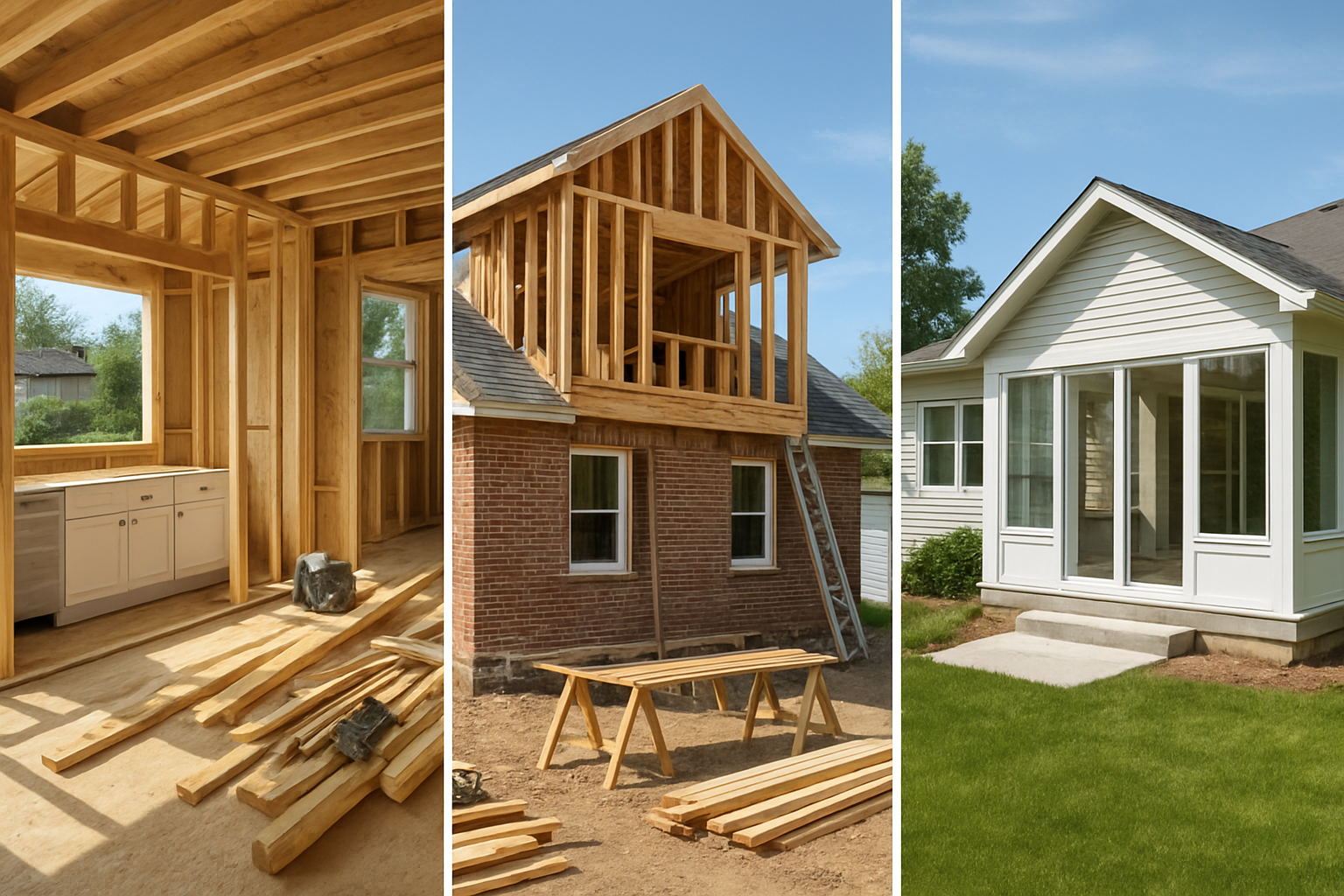
When we examine nationwide home extension costs, we find that projects typically range from $25,000 to $175,000, with ground floor extensions generally being the most affordable option. Our research indicates that smaller renovations, such as a one-bedroom addition, start around $25,000, while larger, more complex projects can easily exceed $150,000 depending on materials, labor, and project management requirements.
Standard room additions cost $80-$200 per square foot
For standard room additions, we see costs ranging between $150 to $350 per square foot across the United States. Small additions of 200 square feet typically cost $30,000 to $55,000, while medium-sized 400 square foot family rooms range from $60,000 to $100,000. The type of room significantly impacts pricing, with “dry” rooms like bedrooms costing $125-$225 per square foot.
Second-story additions require $300-$500 per square foot investment
Building upward presents unique cost considerations, as we must factor in structural reinforcement of existing walls and potential staircase additions. Second-story additions typically cost $200-$500 per square foot, with the higher end reflecting the specialized engineering and construction requirements needed to safely support additional weight on existing foundations.
Kitchen extensions typically range between $20,000-$90,000
Kitchen extensions represent some of our most complex projects, with costs ranging from $300 to $650 per square foot due to specialized plumbing, gas lines, and premium finishes. These “wet” rooms require extensive electrical work, cabinetry, countertops, and appliances, making them significantly more expensive than basic room additions but offering substantial value for homeowners.
Budgeting Strategies to Control Your Extension Costs
Plan for 20% contingency budget beyond initial quotes
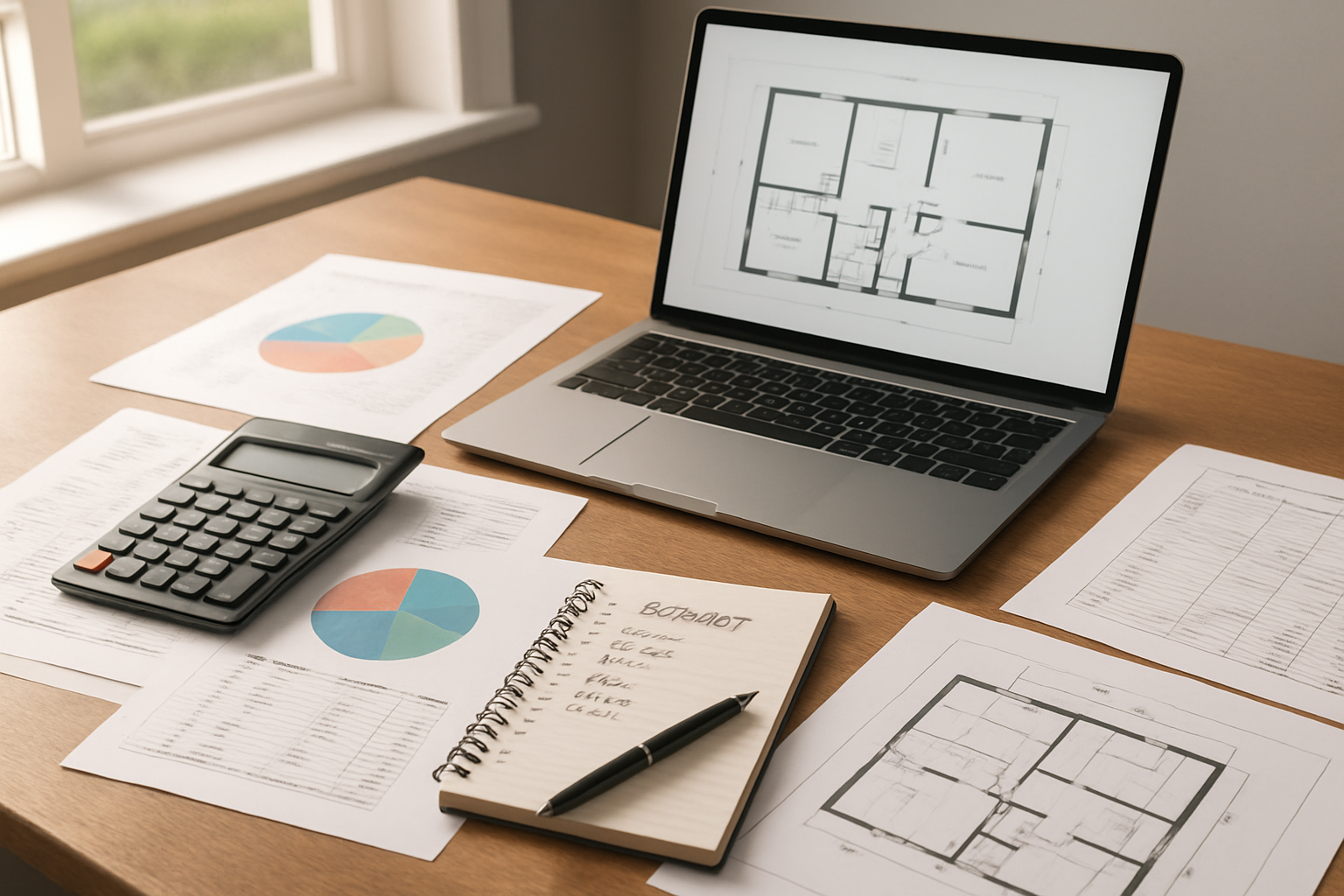
We strongly recommend adding a 20% contingency buffer to your initial home extension cost estimates. According to renovation studies, 27% of homeowners performing home renovations run into challenges keeping their projects within budget. This contingency fund helps protect against unexpected issues like hidden damage or structural complications that commonly arise during extension work.
Ground floor extensions offer more affordable expansion than loft conversions
When comparing extension options, we find that ground floor expansions typically provide more cost-effective solutions than loft conversions or upper-level additions. Ground floor projects generally involve less complex structural work and easier access for materials and labor, helping us control overall project expenses while maximizing our living space expansion goals.
Focus on needs versus wants to maximize budget efficiency
We must carefully separate our extension requirements into must-haves versus nice-to-haves to optimize our budget allocation. By creating a detailed list of potential improvements and categorizing them as wants or needs, we can make informed decisions about where to invest our resources. This systematic approach helps us avoid project scope creep that often leads to budget overruns.
Obtain fixed pricing from contractors before project commencement
Securing fixed pricing agreements with contractors before beginning work protects us from unexpected cost escalations during our extension project. We should obtain multiple bids from at least three reputable contractors and ensure clear communication about our project scope and budget constraints. This approach increases the likelihood that contractors will warn us in advance of potential added expenses or project changes.
Cost-Effective Design Choices That Maximize Value
Create open-plan layouts to increase perceived space without major costs
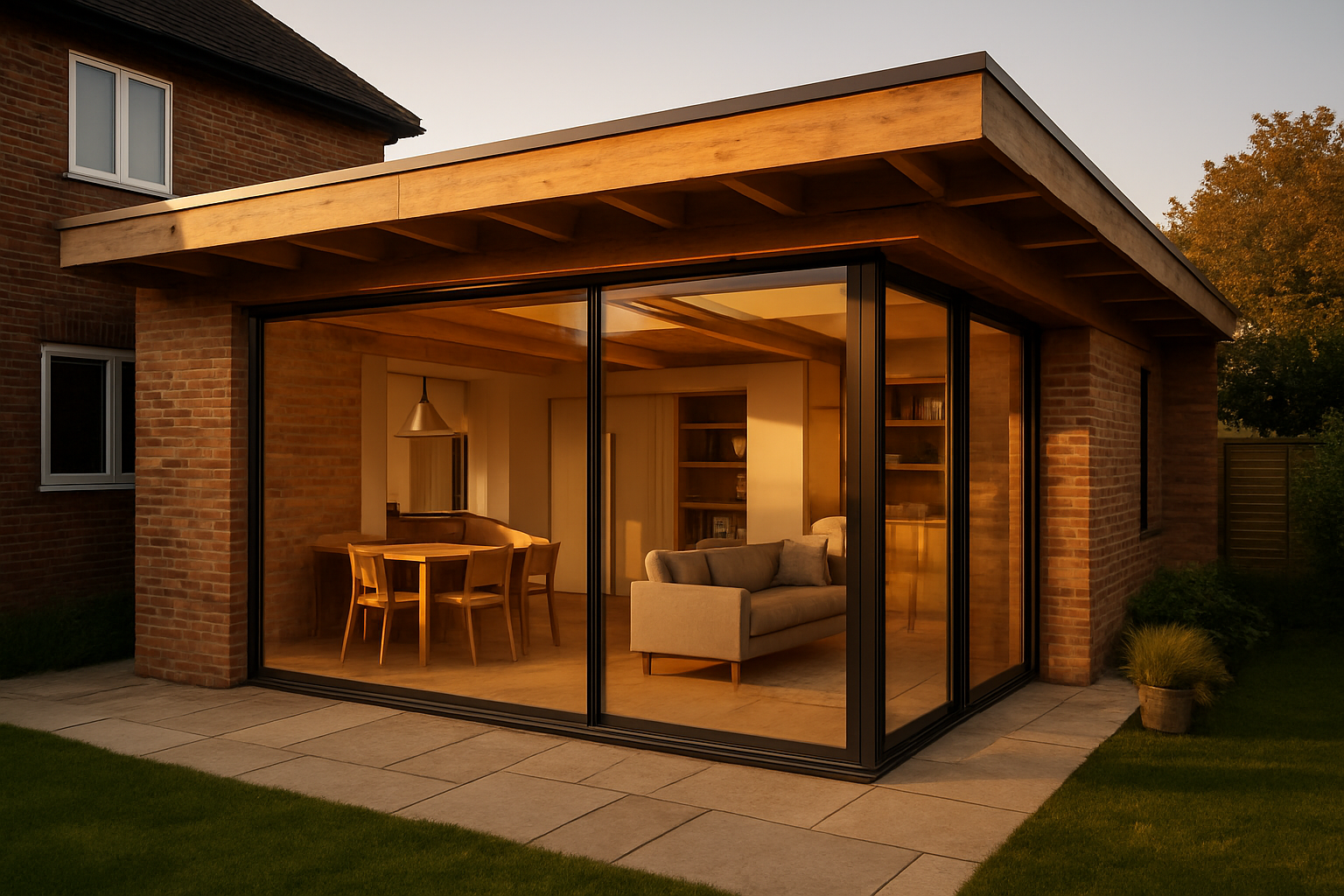
We’ve found that open-plan layouts are one of the most effective ways to maximize space without inflating your home extension cost per m2. By combining kitchen, dining, and living areas into one cohesive space and minimizing interior walls where possible, we can significantly reduce construction costs while creating a sense of luxury and spaciousness that makes our extension feel larger than its actual footprint.
Choose appropriate door systems based on budget and functionality needs
When selecting door systems for our extension, we recommend balancing cost with functionality by choosing sliding or bi-fold doors that connect indoor and outdoor spaces effectively. These systems not only enhance natural light flow but also create seamless transitions that make our extension feel more expansive, proving particularly valuable when working with compact sizes to keep our overall house extension cost calculator UK projections manageable.
Prioritize insulation investment to reduce long-term energy expenses
While initial insulation costs may seem high, we’ve observed that investing in energy-efficient windows and proper insulation significantly reduces long-term expenses and adds perceived luxury to our extension. This strategic approach helps control our 25m2 extension cost or 30m2 extension cost over time while creating comfortable, high-end feeling spaces.
Select basic quality finishes that can be upgraded later
We recommend starting with affordable yet stylish materials like vinyl flooring that mimics hardwood, quartz-effect worktops, and high-quality MDF cabinetry that replicates custom finishes. This approach allows us to achieve a sophisticated aesthetic while keeping our rear extension cost calculator projections reasonable, with the flexibility to upgrade specific elements as our budget allows in the future.
Essential Permits and Professional Requirements

Secure residential, building, and demolition permits as required
When planning our home extension, we must secure proper permits before beginning construction. Building departments typically require a general construction permit for all permanent additions, with costs ranging from $500 to $2,000 depending on our project scope and local requirements. We’ll also need separate permits for electrical work, plumbing installations, and HVAC systems unless our general construction permit covers these elements.
Work with architectural plans to avoid costly mid-project changes
Working with detailed architectural plans helps us prevent expensive modifications during construction. Our general contractor can pull all necessary permits on our behalf and schedule required inspections to keep our project compliant. Since most municipalities only issue permits to licensed contractors rather than homeowners, partnering with experienced professionals ensures we avoid violations, fines, or forced demolition of illegal construction work.
Smart Material and Finish Selections to Reduce Expenses
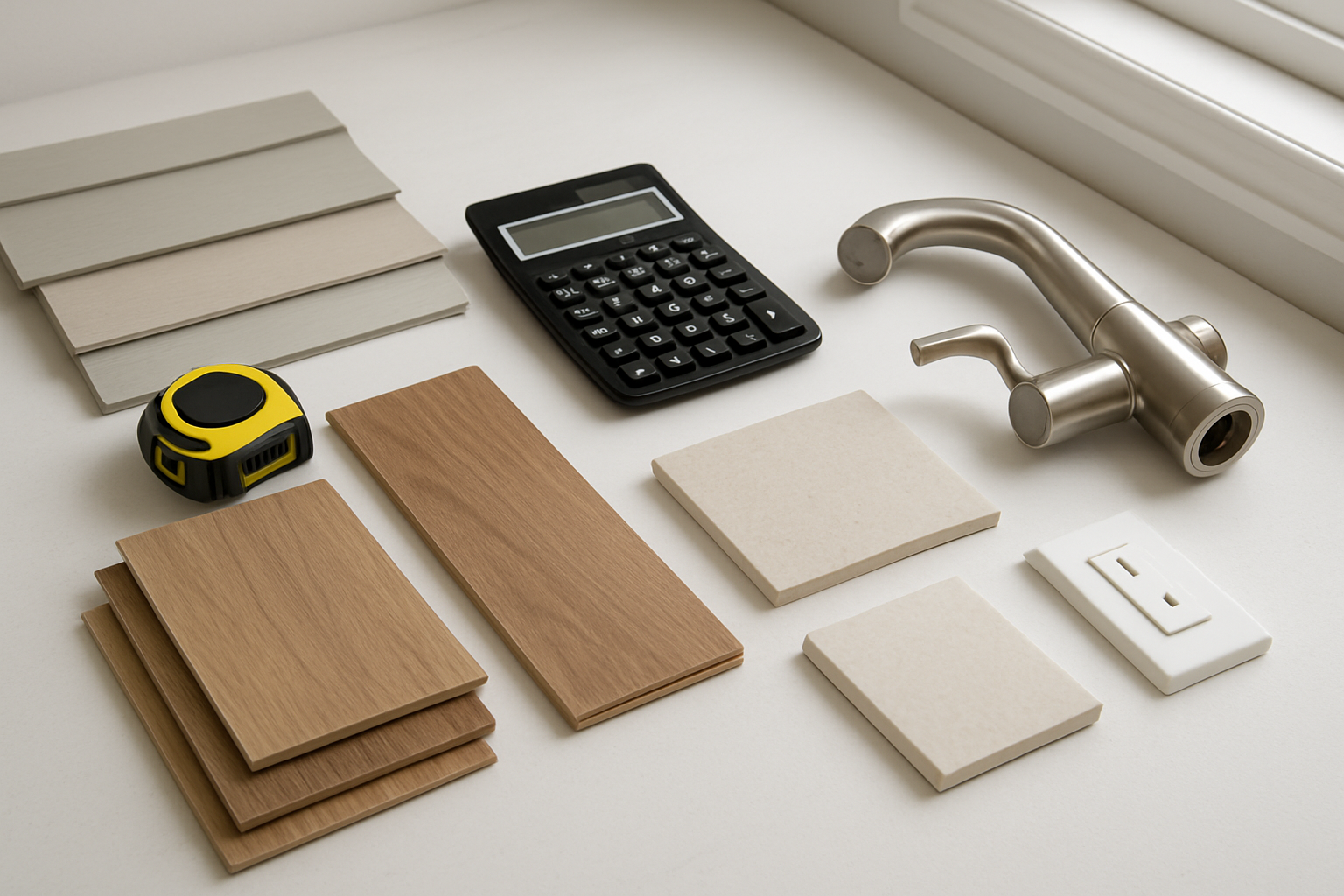
Match existing siding materials to blend seamlessly with original structure
When planning our extension, we should prioritize matching existing materials to create a cohesive appearance. Brick remains the conventional choice for exterior walls as it’s largely maintenance-free, easy to source, and offers a wide range of sizes and styles that can suit most budgets. By selecting bricks that complement our original structure, we avoid the stark contrast between old and new while maintaining cost-effectiveness.
Consider engineered wood as budget-friendly alternative to brick or stone
We can significantly reduce our home extension cost by choosing timber cladding as an affordable alternative. Timber is lightweight, fast to install, and represents a renewable raw material that can last many years with proper maintenance. Cedar and oak are particularly durable species, resistant to rot and pests, while modern render systems offer another cost-effective weatherproof coating option that comes in various pre-mixed colors, eliminating the need for additional painting expenses.
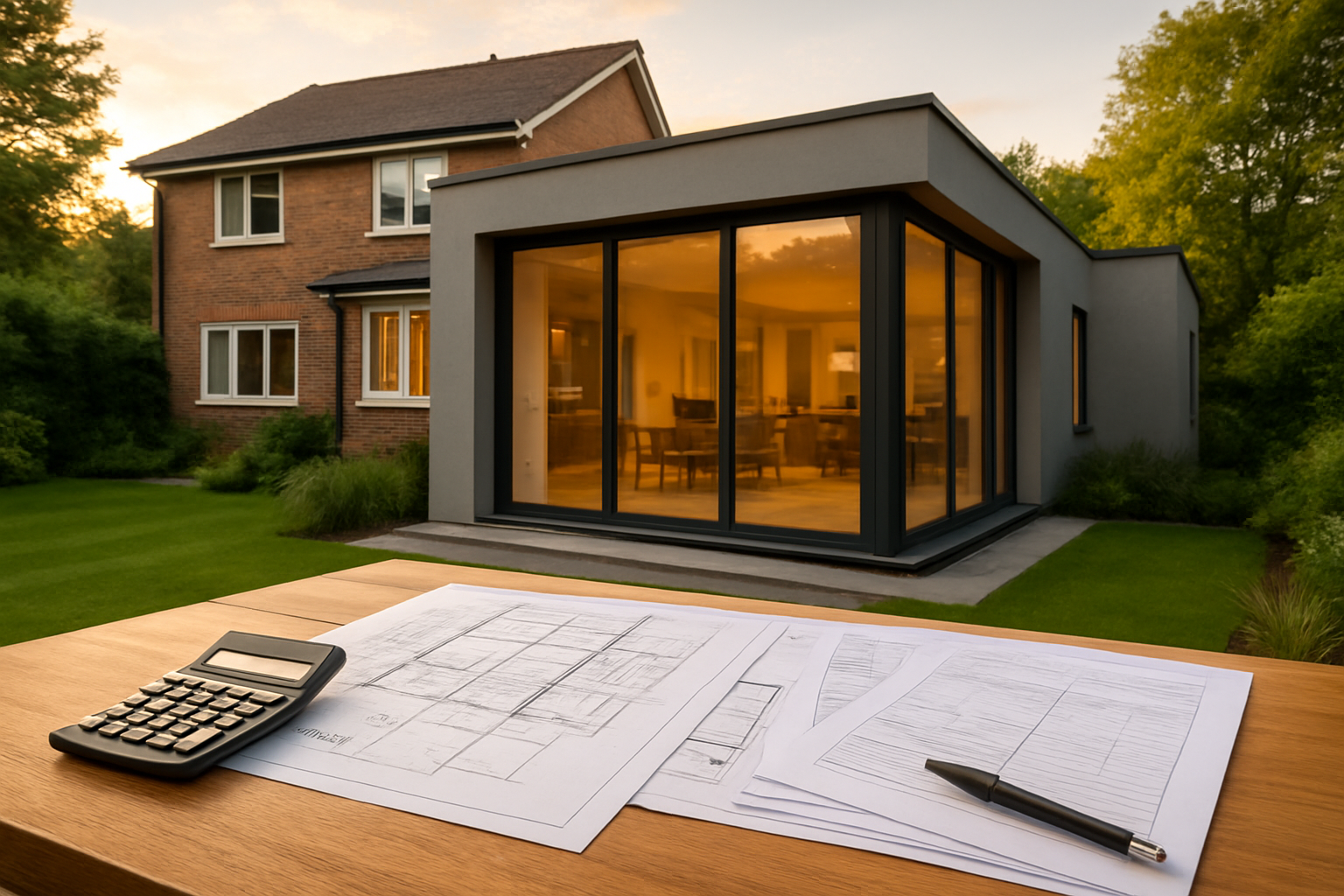
Planning a home extension requires careful consideration of costs, design choices, and professional requirements. Throughout our exploration of extension pricing—from the typical range of $80 to $200 per square foot to specialized projects like second-story additions averaging $300 to $500 per square foot—we’ve seen how various factors impact your final investment. By implementing smart budgeting strategies, selecting cost-effective materials, and understanding permit requirements, we can significantly control expenses while maximizing value.
The key to a successful extension lies in balancing our needs with our budget constraints. Whether we’re considering a modest $25,000 one-bedroom addition or a comprehensive renovation approaching $150,000, proper planning with a 20% contingency buffer helps ensure our project stays on track. We recommend consulting with local remodeling professionals early in the process to obtain accurate estimates specific to our project scope and regional requirements, setting the foundation for a successful home extension that enhances both our living space and property value.