

Smart homeowners want to make strategic improvements that boost property value and deliver real returns on investment. We understand the challenge of choosing which projects will actually pay off when it’s time to sell – and which ones might drain your budget without adding meaningful value.
Investing in the best home improvements isn’t just about making your space more enjoyable today. It’s about making smart financial decisions that protect and grow your investment. We’ll walk you through high-return exterior improvements that create instant curb appeal, kitchen and bathroom updates that consistently attract buyers, and energy-efficient upgrades that appeal to modern homeowners. We’ll also cover which costly projects you should approach carefully to avoid overspending on features that won’t deliver the returns you expect.
High-Return Exterior Improvements That Boost Curb Appeal
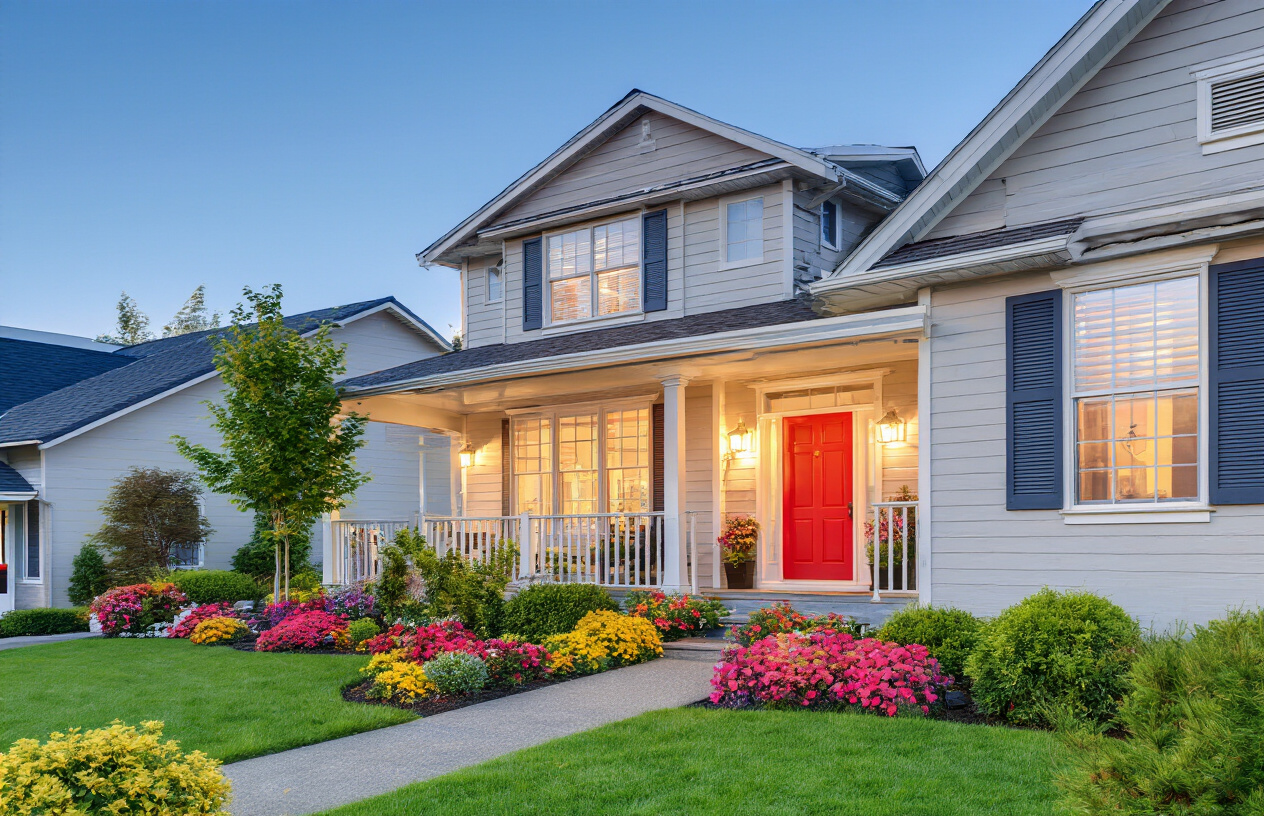
When considering what improvements add the most value to a house, we consistently find that exterior upgrades deliver exceptional returns on investment, with curb appeal projects dominating the top performers in recent industry studies.
Garage Door Replacement for Maximum ROI
We recommend garage door replacement as our top exterior improvement, delivering an outstanding 268% cost recovery according to the latest Zonda Cost vs. Value Report. This single upgrade instantly transforms our home’s curb appeal and creates a powerful first impression that attracts buyers willing to pay premium prices. The remarkable 193% ROI we see regionally makes this project particularly worthwhile, as buyers who like what they see outside are more likely to explore the interior.
Entry Door Upgrades That Make Strong First Impressions
We’ve found that steel entry door replacement ranks as our second-highest return exterior project, with an impressive 216% cost recovery. Our front door serves as the gateway to our house and should seamlessly blend the exterior with the interior aesthetic. This upgrade yields approximately 188% ROI, making it one of the most financially sound improvements we can make to enhance our home’s value and appeal.
Manufactured Stone Veneer for Affordable Luxury Appeal
We consistently see manufactured stone veneer (MSV) delivering exceptional value, with a 206% return on investment in 2025—a dramatic 35 percentage point increase from the previous year’s 153%. This steady rise since MSV’s introduction to cost studies demonstrates our growing appreciation for this affordable luxury option. We can achieve this impressive return by replacing a 300-square-foot continuous band of vinyl siding in the bottom third of our home’s street-facing façade with manufactured stone veneer, including sills, corners, and entry archway details.
Fiber Cement Siding Replacement for Durability and Value
We find fiber cement siding replacement offers solid returns with a 114% ROI, significantly outperforming vinyl siding alternatives. While this represents a substantial investment, we consistently see approximately 88.4% regional ROI for fiber cement siding replacement, making this curb appeal project worthwhile for our long-term value strategy. The durability and aesthetic appeal of fiber cement siding positions our home favorably in today’s competitive market where well-appointed exteriors command premium prices.
Kitchen and Bathroom Updates That Pay Off at Resale
Minor Kitchen Remodels vs. Major Renovations
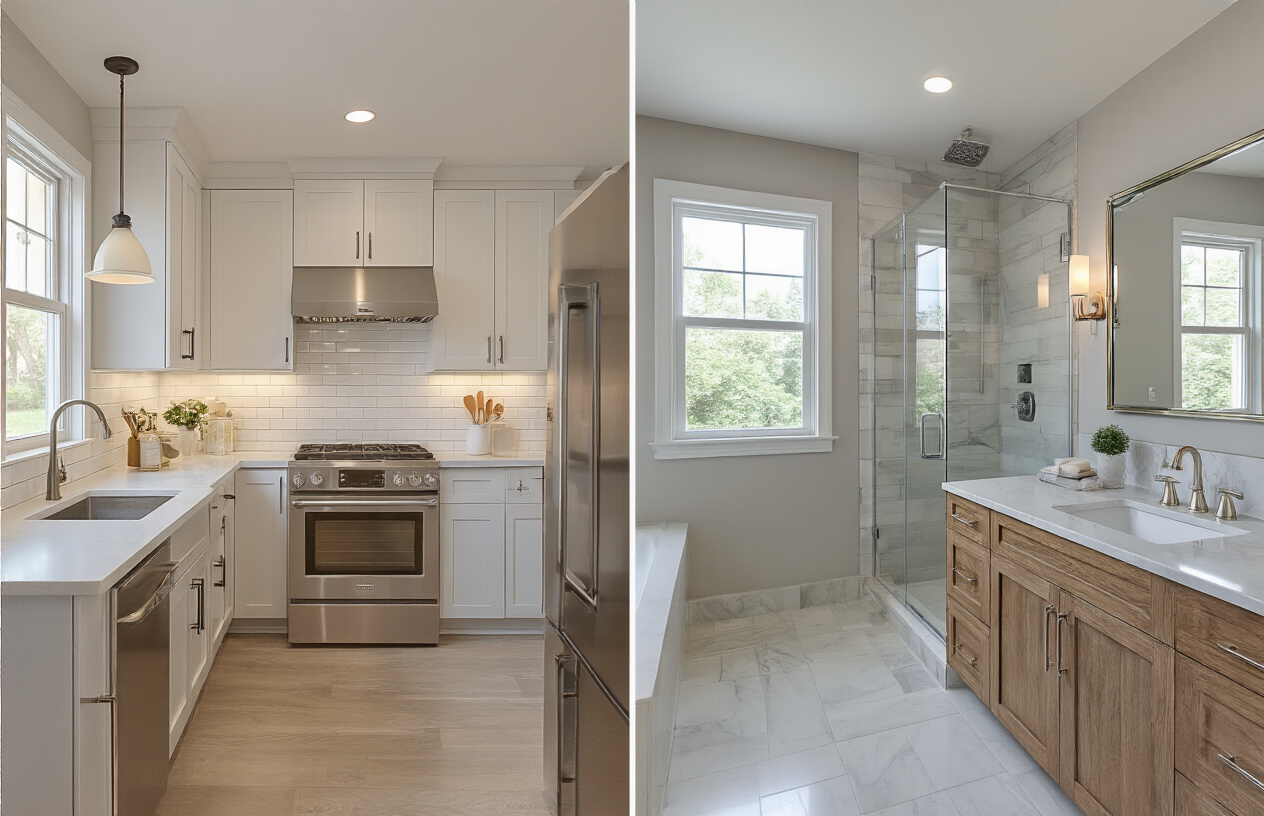
When we consider kitchen upgrades, we find that a well-designed kitchen remodel can recoup 50% to 75% of its cost upon resale. Based on our research, we’ve learned that even minor updates like new hardware or fresh paint can add value, while major renovations aren’t always necessary for significant returns. We recommend focusing on layout improvements, efficient storage solutions, and modern functionality to maximize our investment in this heart of the home.
Mid-Range Bathroom Improvements for Best Value
Our analysis shows that bathrooms provide a strong ROI, with an average return of 60% to 70%. We’ve found that modern fixtures like water-efficient sinks, tubs, and toilets offer excellent value. Additionally, we recommend investing in new vanities with custom cabinetry for ample storage, updated waterproof flooring like luxury vinyl or tile, and walk-in showers with frameless glass doors and tiled surrounds as major selling points.
Smart Fixture and Hardware Upgrades
We’ve discovered that strategic fixture upgrades can significantly impact our home’s appeal. Our experience shows that under-cabinet lighting, pendant lights, and stylish faucets give kitchens a high-end feel without requiring complete renovation. We recommend replacing outdated bathroom fixtures with sleek, modern alternatives that enhance both aesthetics and functionality while maintaining broad buyer appeal.
Energy-Efficient Appliance Investments
From our research, we know that upgrading to modern, energy-efficient appliances not only saves on utility bills but also attracts eco-conscious buyers. We’ve seen that these investments add significant value while improving daily functionality. Our recommendation focuses on selecting appliances that combine energy efficiency with modern design, as these features consistently appeal to today’s buyers who prioritize both environmental responsibility and contemporary aesthetics.
Energy-Efficient Home Upgrades for Modern Buyers
HVAC System Conversions and Heat Pump Installations
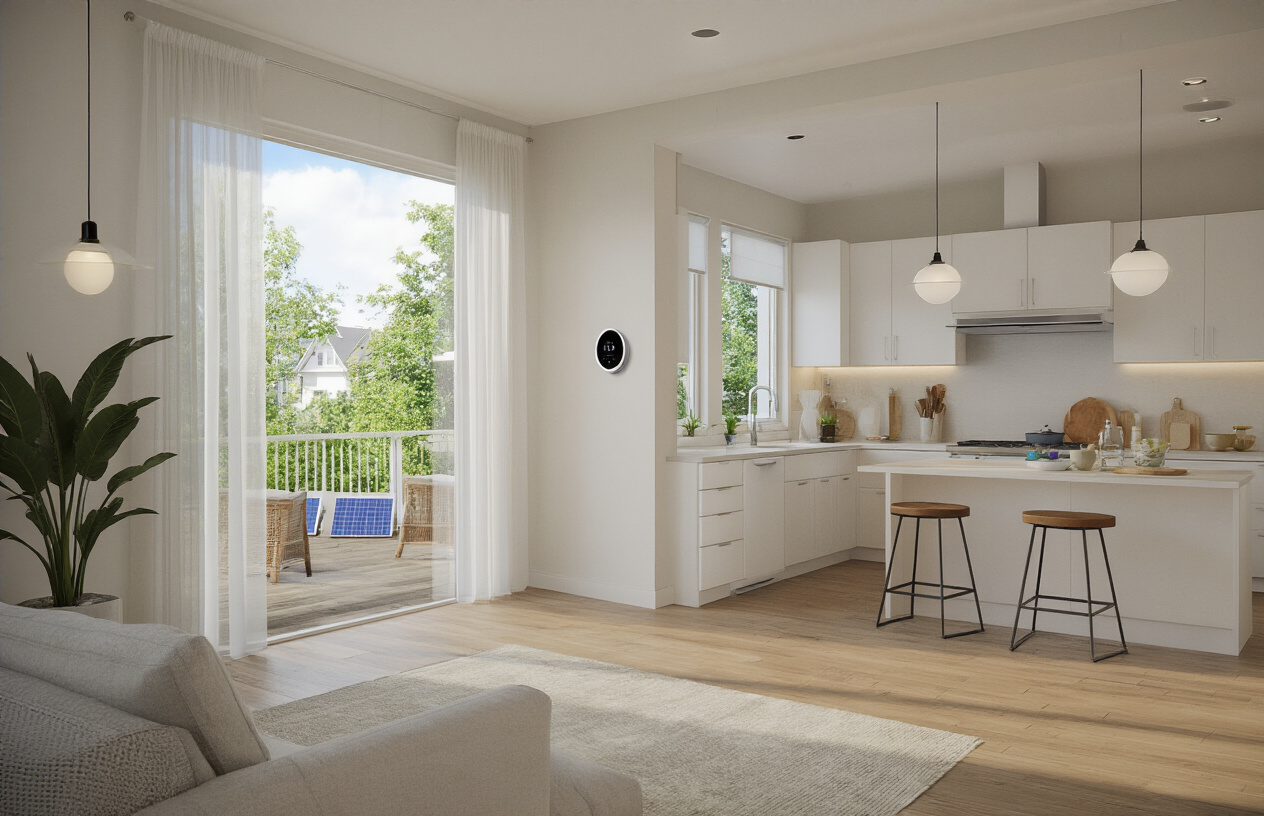
Modern homebuyers increasingly prioritize energy efficiency, making HVAC upgrades one of the best home improvements we can pursue. According to the Department of Energy, heating and cooling account for 43% of our home’s utility expenses, presenting significant opportunities for savings through system conversions and heat pump installations that reduce operating costs while appealing to environmentally conscious buyers.
Window Replacement for Energy Savings
Now that we’ve covered HVAC improvements, window replacement offers another high-impact energy upgrade. We can reduce our energy bills by an average of 12% by replacing older, single-pane windows with low-E double-pane models. Adding energy-efficient storm windows could potentially reduce heating and cooling costs from 10-30%, making this improvement particularly attractive to modern buyers focused on long-term energy savings.
Smart Home Technology Integration
With energy efficiency becoming a priority, smart home technology integration represents the next evolution in home automation. While our reference content doesn’t detail specific smart technologies, we know that modern buyers increasingly expect homes equipped with intelligent systems that optimize energy usage and provide convenient control over home functions, making this upgrade essential for contemporary market appeal.
Insulation and Weatherproofing Improvements
Previously, we’ve discussed major system upgrades, but insulation improvements offer some of the most cost-effective energy enhancements available. Ninety percent of single-family homes in the U.S. don’t have adequate insulation, yet making these improvements may save as much as 15% on heating and cooling costs. Combined with proper weatherproofing through caulking and weather stripping, these upgrades significantly enhance our home’s energy performance while appealing to buyers seeking efficient, comfortable living spaces.
Structural and Space-Adding Projects Worth Considering
Deck Addition for Outdoor Living Enhancement
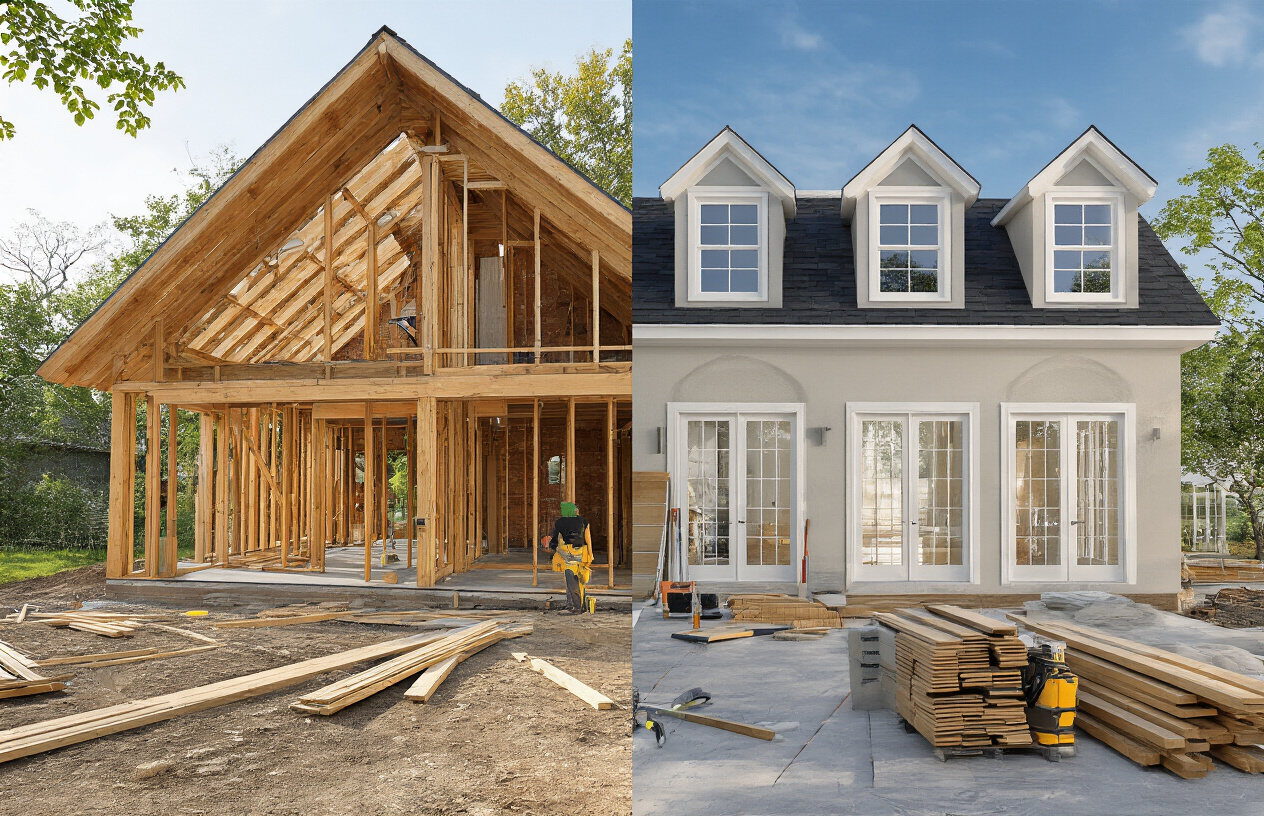
We’ve seen deck and patio additions consistently deliver strong returns of 50-83% ROI in our projects. Outdoor living spaces have become increasingly important since 2020, and Kentucky’s mild springs and falls make outdoor entertaining areas highly desirable. A well-designed deck extends your home’s usable area for a fraction of interior addition costs, providing the perfect spot for relaxation and entertainment that buyers immediately value.
Finished Basement Conversion for Extra Square Footage
We consistently recommend basement finishing as one of the best home improvements, delivering 70-75% ROI while adding genuine living space. Our recent basement renovation in Lexington added 800 square feet of livable area for an average investment of $25,000 to $40,000. In Central Kentucky’s climate, finished basements become year-round family rooms, home offices, or entertainment areas that homeowners use daily and will pay dividends at resale.
Primary Suite Addition Planning and Costs
We help clients understand that master suite additions require careful consideration of neighborhood price ceilings. While these custom additions deliver higher personal satisfaction, they typically only recoup about 40% when you sell. We’ve learned that adding a $100,000 master suite to a $200,000 home makes no financial sense, regardless of enjoyment. Our approach balances personal needs with resale considerations, ensuring additions appeal to future buyers while enhancing daily life.
Additional Bathroom Installation Benefits
We’ve found that bathroom additions generate 53-87% ROI, particularly valuable in homes with only one full bath. Adding a second bathroom eliminates a major buyer objection and increases daily convenience significantly. Our recent bathroom addition projects consistently appraise above construction costs because buyers pay premiums to avoid obvious functional deficiencies. This improvement addresses what improvements add the most value to a house by solving common problems that affect resale appeal.
Roofing and Major System Replacements
Asphalt Shingle Roof Replacement Timing
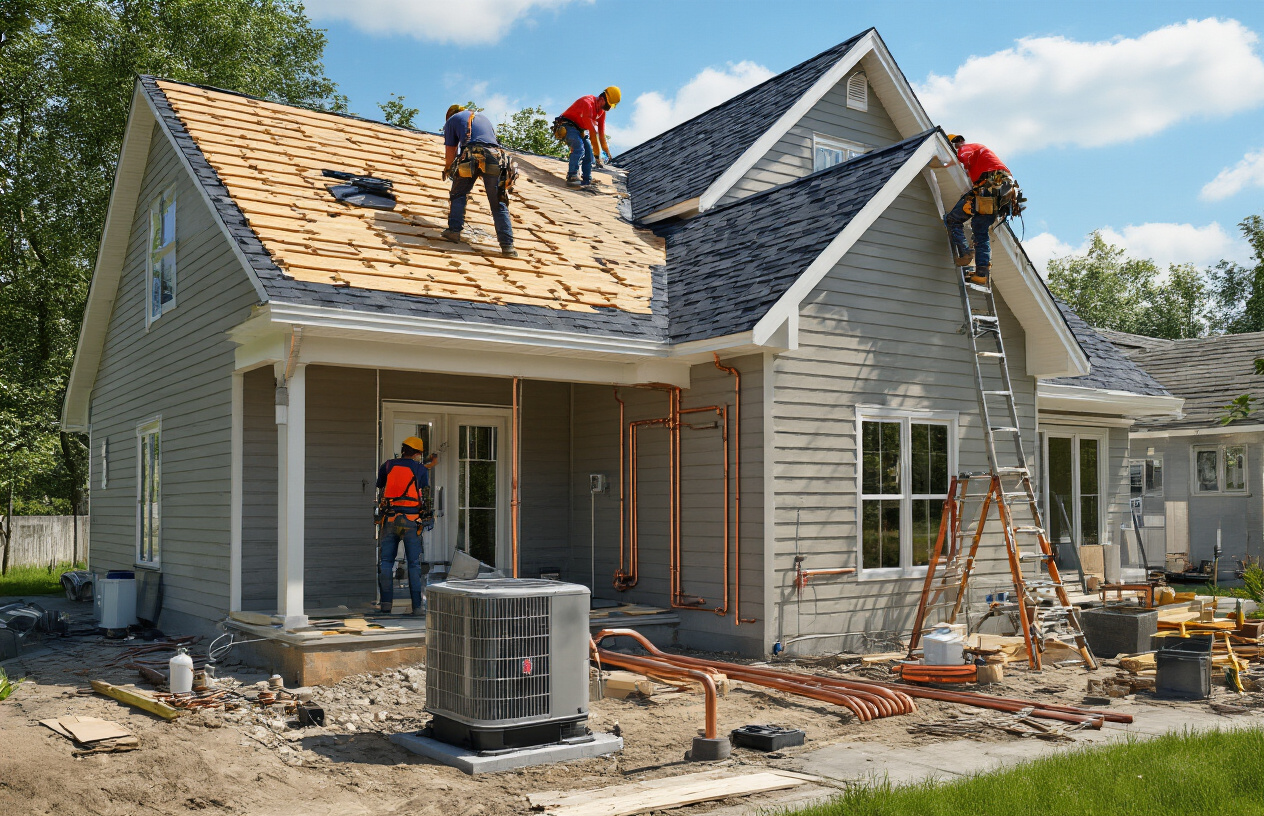
When we consider major system replacements that add value to our homes, timing becomes crucial for maximizing our return on investment. For HVAC systems specifically, we should replace units that are 10-15 years old, especially when repairs become frequent and costly, or when energy bills increase noticeably due to decreased efficiency and uneven heating or cooling performance.
HVAC System Upgrade Considerations
We need to evaluate several key factors when upgrading our HVAC systems. Energy efficiency stands as the primary consideration – systems with higher SEER ratings (15-16 for air conditioners, 15-20 for furnaces) provide better long-term value. We should also consider our climate, as hot regions benefit more from efficient air conditioning upgrades, while colder areas see better returns from heat pump or furnace improvements. Smart thermostats and zoning capabilities further enhance our system’s efficiency and appeal to potential buyers.
Cost vs. Value Analysis for Major Repairs
We can expect to invest $5,000 to $12,500 for new HVAC system installation, with average costs around $7,000 for materials and $1,500 for labor. Our return on investment typically ranges from 25-30%, with home value increases of 5-7% or approximately $2,500-$3,000 added value. Different HVAC types provide varying returns: heat pumps add $1,260-$2,280, central air conditioning contributes $1,170-$2,370, geothermal systems boost value by $1,300-$7,300, and ductless mini-splits add $600-$4,350.
Regional Variations in Return Rates
We must recognize that our location significantly impacts the value we’ll receive from major system upgrades. In hot climates, we’ll see substantial resale value from efficient air conditioning installations, while colder regions provide better ROI for heating system upgrades. Professional installation by licensed technicians ensures we maximize our investment’s performance and maintain manufacturer warranties, protecting our return on investment.
Low-Return Projects to Avoid or Approach Cautiously
Luxury Kitchen and Bath Upgrades
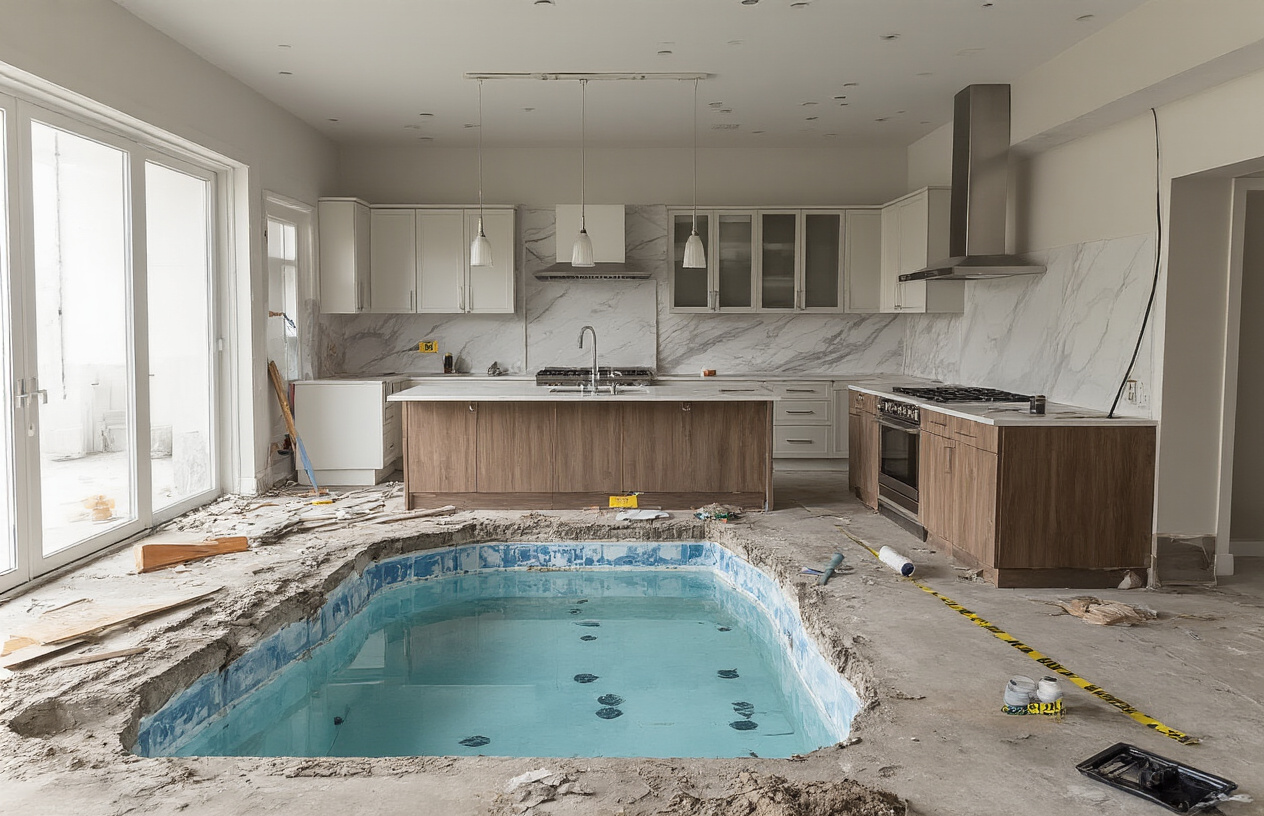
While we might dream of high-end kitchen and bathroom renovations, upscale projects deliver disappointing returns. Major upscale kitchen remodels averaging $135,547 only return 53.9%, while upscale bathroom remodels costing $67,106 return just 56.6%. These luxury upgrades prove too individualized to provide broad appeal to potential buyers.
Swimming Pool Installation Drawbacks
Swimming pools rank among the worst home improvements we can make, with returns under 25% of our investment. Installation costs range from $15,000 to $60,000, yet pools actually decrease home value in northern climates. We face ongoing maintenance expenses, reduced yard space, and many prospective buyers have no interest in pool ownership.
Specialized Room Conversions
Converting our garage into living space eliminates one of the top 10 assets that 74% of buyers consider extremely important. Home theaters deliver an ugly 25-35% return on investment due to their limited niche appeal. Sunrooms, while appealing to gardening enthusiasts, only recoup 45-50% of our investment and don’t appeal to all buyers.
High-End Landscaping Investment Risks
Now that we’ve covered interior specialized conversions, we should approach elaborate landscaping projects cautiously. While the reference content doesn’t detail specific landscaping ROI figures, the pattern shows that highly personalized outdoor improvements often mirror indoor specialized projects – they appeal to specific tastes but limit our potential buyer pool when resale time comes.
When planning home improvements, we’ve seen that strategic choices make all the difference between projects that pay off and those that drain our budgets. High-return exterior improvements like garage door replacements and manufactured stone veneer can deliver exceptional ROI, while thoughtful kitchen and bathroom updates consistently appeal to buyers. Energy-efficient upgrades not only reduce our utility costs but also attract today’s environmentally conscious purchasers who value long-term savings.
We should approach major structural additions and luxury upgrades with careful consideration, as these often carry higher costs with more modest returns. The key is finding that sweet spot between improvements that enhance our daily living experience and those that will appeal to future buyers. By focusing on projects with proven track records—like minor kitchen remodels, entry door replacements, and smart home features—we can create homes that serve us well today while building lasting value for tomorrow.