

Permitted development rights London offer homeowners a valuable pathway to expand their living space without the lengthy wait and expense of full planning permission. We’ve created this guide for London property owners who want to understand how these rights work and maximize their potential for home improvements.
Our comprehensive overview covers the key restrictions and limitations that might affect your project, helping you avoid costly mistakes before you start. We’ll walk you through the specific rules for popular improvements like loft conversions and home extensions under permitted development guidelines.
We’ll also explore the unique challenges of navigating London borough-specific regulations, since different areas across the capital have varying restrictions that could impact your plans. By the end, you’ll have the knowledge needed to confidently move forward with your home improvement project while staying within legal boundaries.
Understanding Permitted Development Rights and Their Benefits

What Are Permitted Development Rights and How They Streamline Planning
Permitted development rights allow us to improve and extend our homes without applying for planning permission where that would be out of proportion with the impact of works carried out. These rights derive from a general planning permission granted by Government rather than local authorities, streamlining the development process significantly. We can undertake certain enlargements, improvements, and alterations to our houses and surrounding areas without needing formal planning applications, making home improvements more accessible and cost-effective.
Two Main Categories: Householder and Commercial Development Rights
We need to understand that permitted development rights are divided into distinct categories, with householder and commercial properties having different rights and limitations. Householder permitted development rights are specifically set out in Part 1 of Schedule 2 to the Town and Country Planning (General Permitted Development) (England) Order 2015, covering what enlargements, improvements, alterations and additions we may make to our houses. Commercial properties operate under separate permitted development rights with their own specific classes and conditions that differ from residential properties.
Physical Changes vs Change of Use Considerations
When we consider permitted development, we must distinguish between physical changes to our properties and change of use scenarios. Physical alterations like extensions, loft conversions, and roof modifications fall under householder permitted development rights, while changes of use operate under different classes such as M, N, P, PA, and Q of Part 3. Importantly, houses created through permitted development rights for change of use cannot subsequently use householder permitted development rights for additional development, requiring planning permission instead for any further modifications we wish to undertake.
Key Restrictions and Limitations That Affect Your Rights
Conservation Areas and Article 4 Direction Impacts
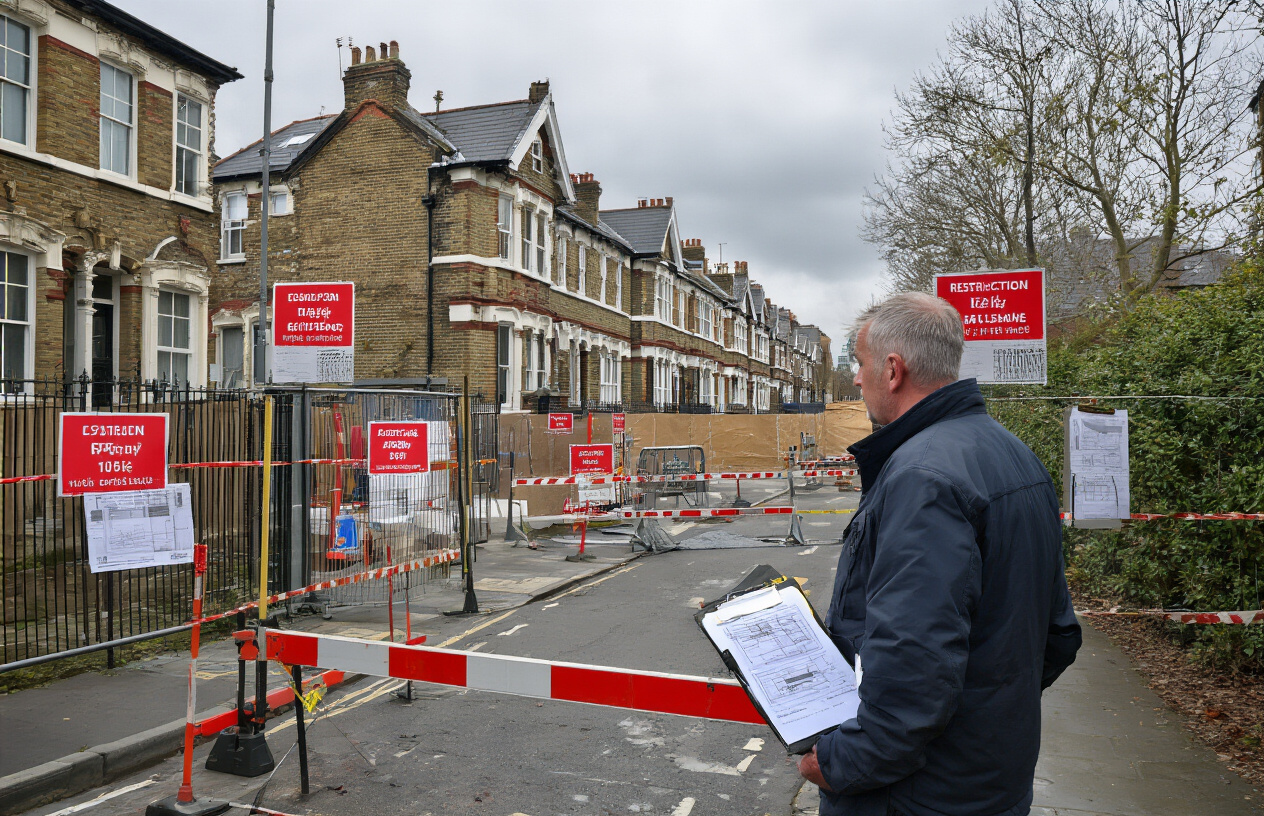
Properties within conservation areas face significantly reduced permitted development rights. While most houses benefit from these rights, conservation areas restrict certain extensions like side extensions and roof extensions. We must also be aware that local planning authorities can remove permitted development rights entirely through Article 4 directions, particularly common in conservation areas where the character would be threatened by development.
Limited Rights for Flats and Subdivided Properties
Flats and maisonettes, whether purpose-built or converted, do not benefit from the standard permitted development rights that apply to houses. This restriction extends to any houses created through permitted development rights, including changes of use, which usually cannot subsequently use householder permitted development rights for additional development like extensions. We recommend contacting your local planning authority before starting any work on these property types.
CIL Charges Still Apply Despite Permitted Development Status
Even when we have permitted development rights, other legislative requirements remain in place. Approval may still be required under Building Regulations and the Party Wall Act. Additionally, most permitted development rights are subject to conditions and limitations, with certain classes requiring prior approval applications to the local planning authority to assess transport, highways, and other impact factors before proceeding with development.
Maximizing Space with Permitted Loft Conversions

Height and Dormer Requirements for Compliant Conversions
Under our permitted development rights london , we must ensure that roof enlargements do not exceed the height of the existing roof while maintaining the original eaves structure. Our conversions require a 20cm setback from original eaves where practicable, with the roof enlargement positioned so it doesn’t overhang the outer face of our original house wall.
Material Usage and Structural Alteration Guidelines
When implementing our loft conversions, we must use materials that are similar in appearance to our existing house to comply with permitted development regulations. Our volume enlargements cannot exceed 40 cubic metres for terraced houses or 50 cubic metres for other property types, including any previous enlargements to the original roof space.
Special Considerations for Conservation Areas
In conservation areas designated as Article 2(3) land, our properties lose permitted development rights london for loft conversions entirely. We must apply for full planning permission in these protected areas, which include conservation areas, areas of outstanding natural beauty, National Parks, the Broads, and World Heritage Sites, requiring careful navigation of enhanced planning restrictions.
Extending Your Home Under Permitted Development Rules
Size Constraints for Rear and Side Extensions
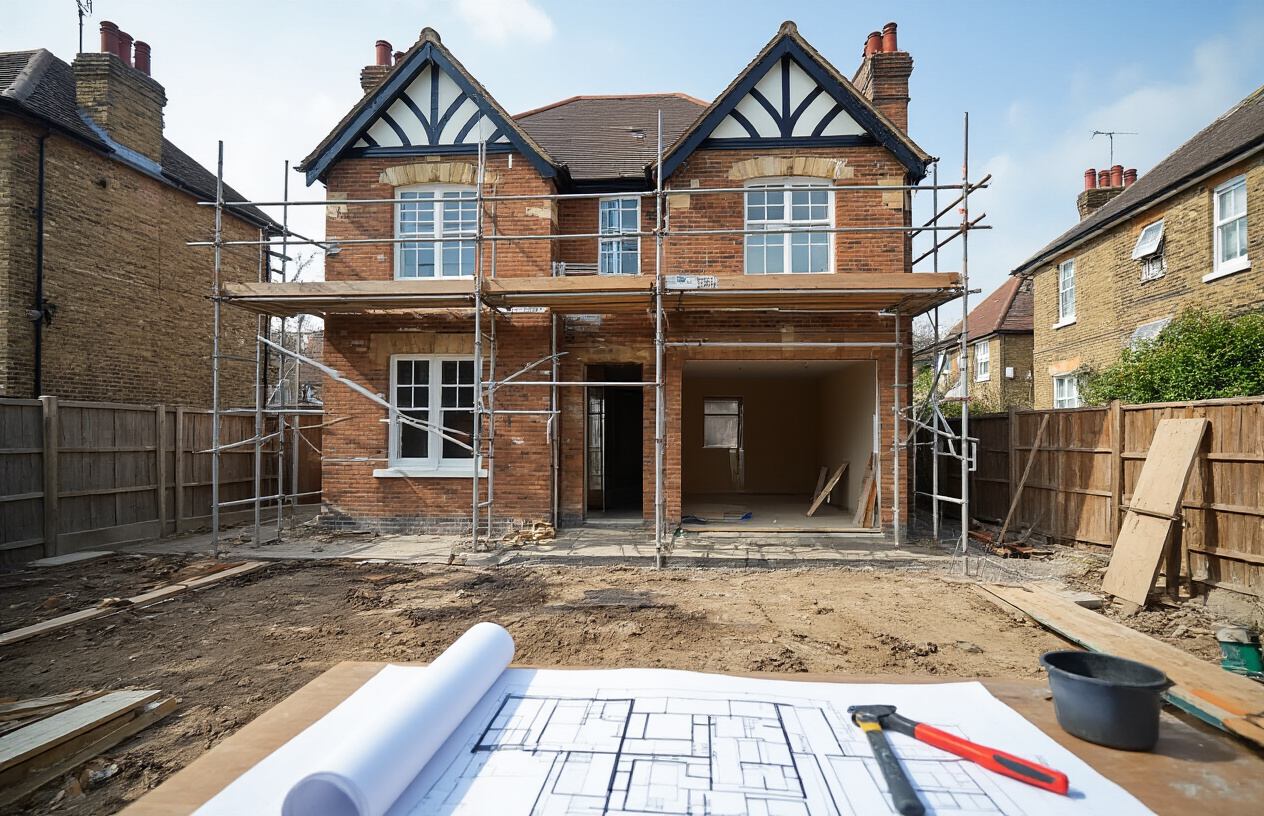
When extending under permitted development rights London regulations, we must work within strict dimensional limits. For rear extensions, single-storey additions can extend up to 6 metres from the original house (8 metres for detached properties), while two-storey extensions are limited to 3 metres. These size constraints ensure our extensions remain within the scope of permitted development without requiring full planning permission.
Boundary Distance Requirements and Height Restrictions
Our extensions must comply with specific boundary and height requirements to qualify for permitted development. We need to maintain adequate distances from property boundaries, with extensions typically required to be at least 7 metres from the rear boundary. Height restrictions limit single-storey rear extensions to 4 metres maximum, while two-storey additions cannot exceed the height of the original roof. These precise national rules provide clear approval criteria that we must follow exactly.
Enhanced Living Space Without Full Planning Permission
By working within permitted development parameters, we can create significant additional living space without navigating the complexities of full planning applications. This route offers us greater certainty and reduced planning risk compared to subjective local planning policies. However, we strongly recommend obtaining a Lawful Development Certificate to confirm our extension is compliant and protect against future disputes, especially when selling the property.
Basement Conversion Opportunities and Requirements
Structural Integrity and Drainage Standards
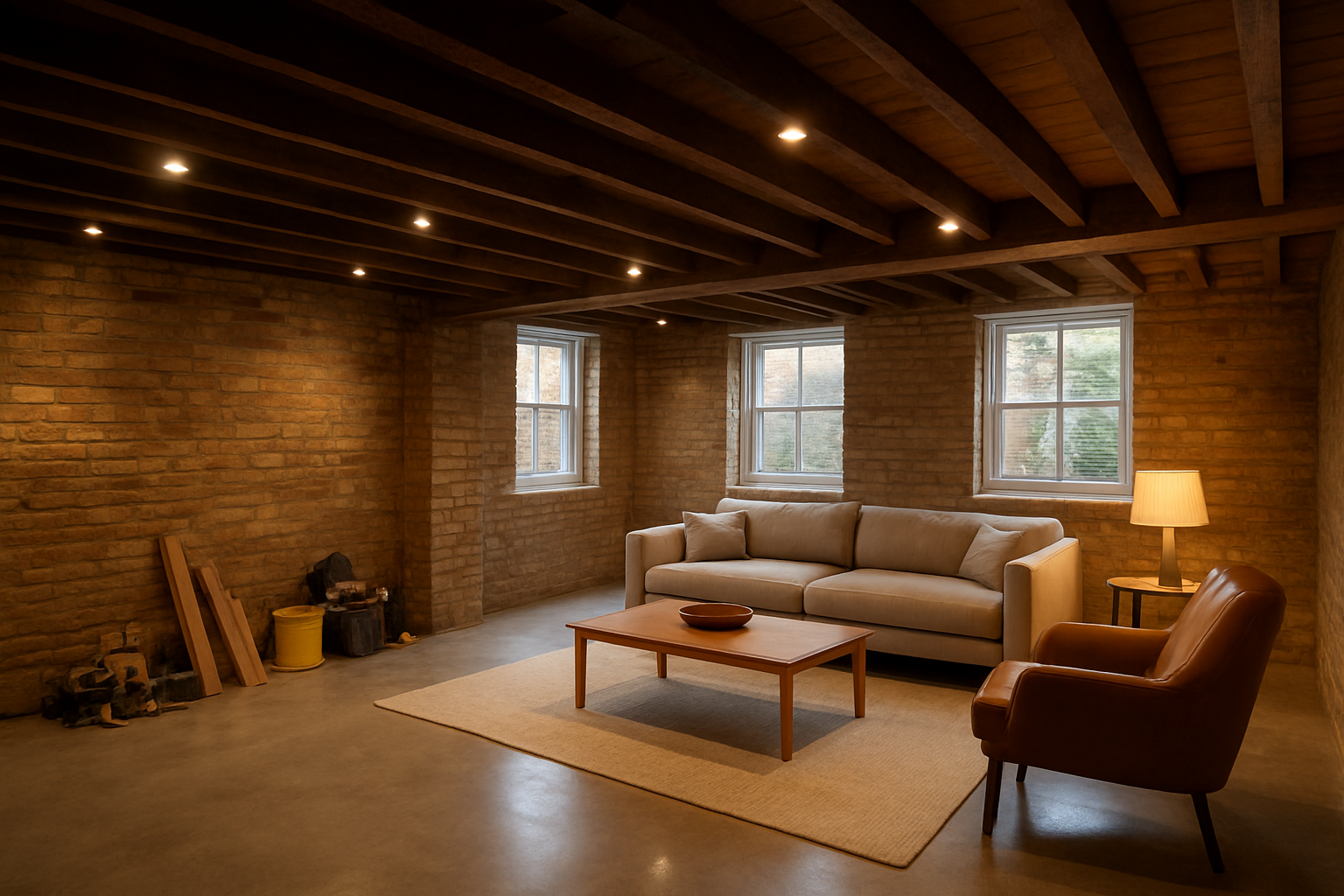
Building regulations remain mandatory for all basement conversions under permitted development rights London, regardless of planning permission requirements. We must ensure structural safety through comprehensive waterproofing systems, particularly basement damp proofing and tanking techniques to prevent water absorption by brickwork. Our drainage systems require careful compliance with building regulations standards, alongside proper electrical wiring and water supply installations to create safe, habitable spaces that meet all regulatory requirements for underground conversions.
Privacy Protection and Ventilation Compliance
We need to address critical ventilation requirements as part of our building regulations compliance, ensuring adequate air circulation throughout converted basement spaces. Fire escape routes must meet regulatory standards, while ceiling height requirements dictate the functionality of our underground living areas. When adding exterior features like lightwells or new windows for natural light, we must consider privacy protection measures that comply with both building regulations and potential planning permission requirements for external appearance changes.
Creating Functional Spaces for Modern Living Needs
Converting existing basements under permitted development allows us to create versatile living spaces without planning permission, provided we avoid significant external alterations. We can transform unused storage areas into functional rooms by addressing damp proofing concerns that often spread humidity throughout properties. Our basement conversions must maintain high-quality standards for accommodation use, incorporating proper insulation, ventilation, and structural modifications that comply with building regulations while maximizing the potential of underground spaces for modern living requirements.
Navigating London Borough-Specific Regulations

Article 4 Directions Varying by Local Authority
Different London boroughs implement varying Article 4 directions that remove specific permitted development rights london within their jurisdictions. We’ve seen examples like Hammersmith & Fulham’s borough-wide direction restricting basement development, which came into force in April 2018, while Waltham Forest applies directions particularly within conservation areas and listed building curtilages.
Heritage-Sensitive Area Requirements
We must recognize that conservation areas and heritage-sensitive locations face additional restrictions through Article 4 directions. These directions specifically protect individual buildings and conservation areas from unsuitable extensions and alterations that could otherwise proceed without planning permission, ensuring our historic neighborhoods maintain their architectural integrity.
Professional Guidance for Complex Planning Landscapes
Navigating London’s complex planning landscape requires understanding that each borough maintains different Article 4 directions affecting various types of development. We recommend consulting with professionals who understand these borough-specific regulations, as permitted development rights london can vary significantly depending on your location and the specific restrictions your local authority has implemented.

Permitted development rights offer London homeowners a valuable pathway to enhance their properties while bypassing lengthy planning applications. From maximizing space through loft conversions to expanding outward with extensions and converting basements into functional living areas, these rights streamline the improvement process when certain criteria are met. However, navigating the complexities of borough-specific regulations, conservation area restrictions, and Article 4 Directions requires careful attention to ensure compliance and avoid costly mistakes.
Understanding your permitted development rights london is essential for making informed decisions about your property improvements. While these rights provide excellent opportunities for expansion, the evolving landscape of London planning regulations means staying informed is crucial for success. We recommend consulting with planning professionals who understand the intricacies of local regulations and can guide you through the process, ensuring your project meets all requirements while maximizing your property’s potential within the permitted development framework.