

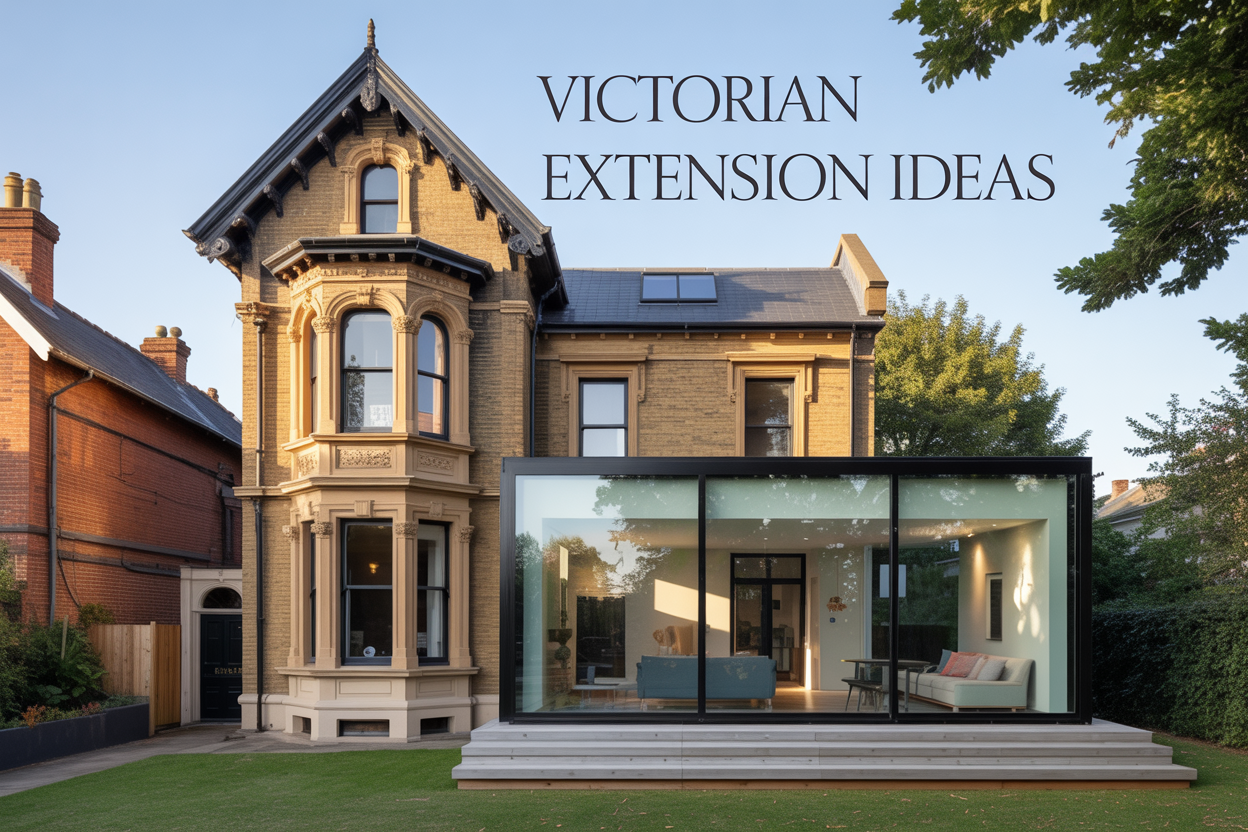
We understand how challenging it can feel when your beautiful Victorian home doesn’t quite match your modern lifestyle needs. The narrow galley kitchens, cramped rooms, and limited natural light that made perfect sense in the 1800s often leave today’s homeowners feeling frustrated with their daily routines.
Our Victorian house extension ideas guide helps homeowners like you transform these period properties while honoring their original character. We’ll walk through the most popular modern victorian house extension ideas and show you real before and after transformations that prove you can have both charm and functionality.
In this comprehensive guide, we’ll cover choosing the right design approach that complements your home’s Victorian architecture, maximizing natural light through smart glazing and roof solutions, and exploring popular extension types from side returns to full-width additions. We’ll also dive into practical considerations like victorian house extension costs, planning permission requirements, and material choices that work harmoniously with existing brickwork and period features.
Choosing Your Design Approach for Victorian Extensions
Decide Between Blending with Original Architecture or Creating Modern Contrast
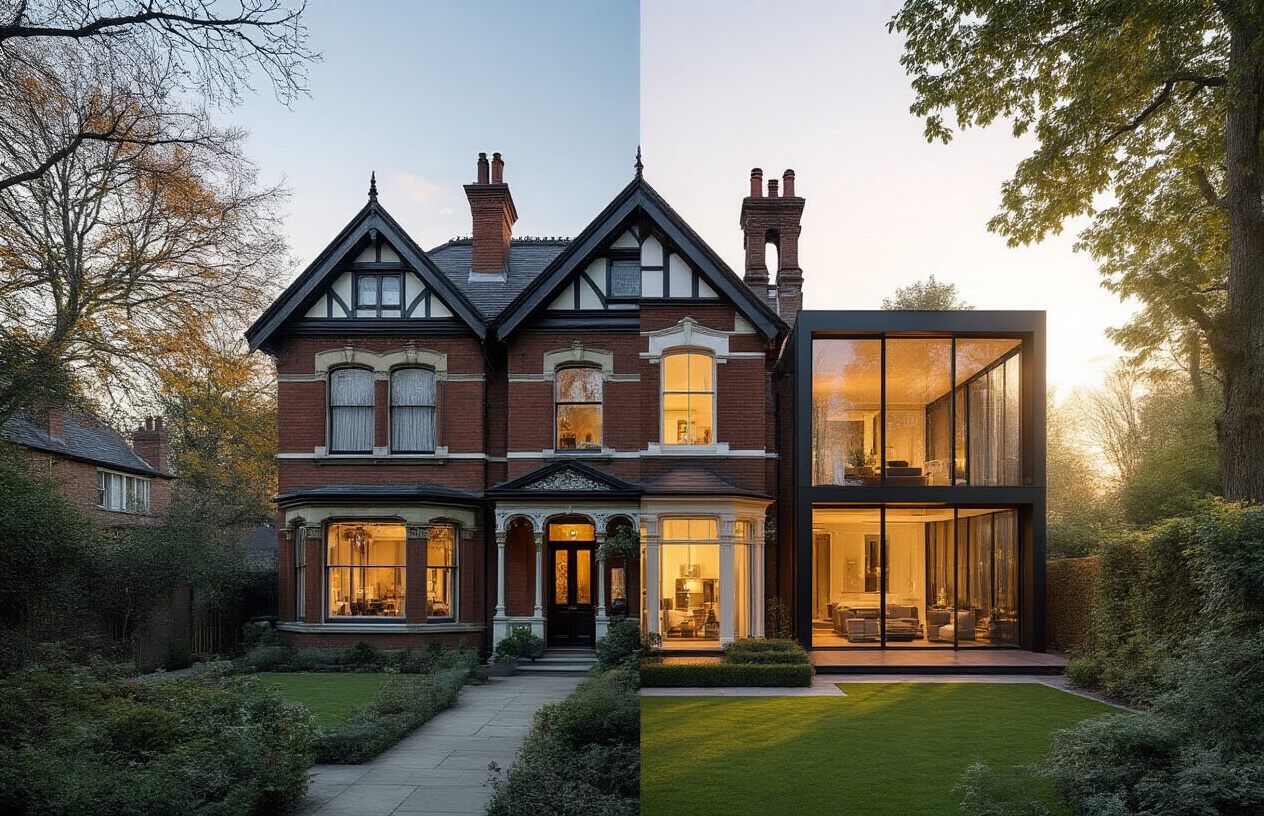
When planning our Victorian house extension, we face a fundamental design decision: whether to blend seamlessly with the original architecture or create a striking modern contrast. Blending modern accessories with traditional coverings is one of the secrets to successful Victorian transitions, maintaining the timeless charm and grandeur that defines these period properties.
Use Matching Brick Materials for Seamless Integration
For seamless integration, we can utilize matching brickwork that echoes the ornate facades and decorative features of our original Victorian home. This approach preserves the stone lintels, carved stone elements, and arches above windows and doors that characterize Victorian architecture, ensuring our extension feels like a natural continuation of the existing structure.
Make Bold Statements with Colored Concrete Panels and Contemporary Cladding
Alternatively, we might choose to make bold statements with contemporary materials that create deliberate contrast against our Victorian home’s traditional brickwork. This modern approach allows us to combine antique pieces with minimalist elements, creating dynamic visual interest while respecting the original building’s heritage character.
Consider Planning Permission Requirements and Permitted Development Rights
Before finalizing our design approach, we must carefully consider planning permission requirements and permitted development rights. As demonstrated in successful Victorian extension projects, planning constraints may require us to fold back our design to avoid imposing on neighbors’ extensions, influencing whether we pursue traditional integration or contemporary contrast in our final design.
Maximizing Natural Light in Your Victorian Extension
Incorporate Large Glazed Areas with Sliding Patio Doors and Picture Windows
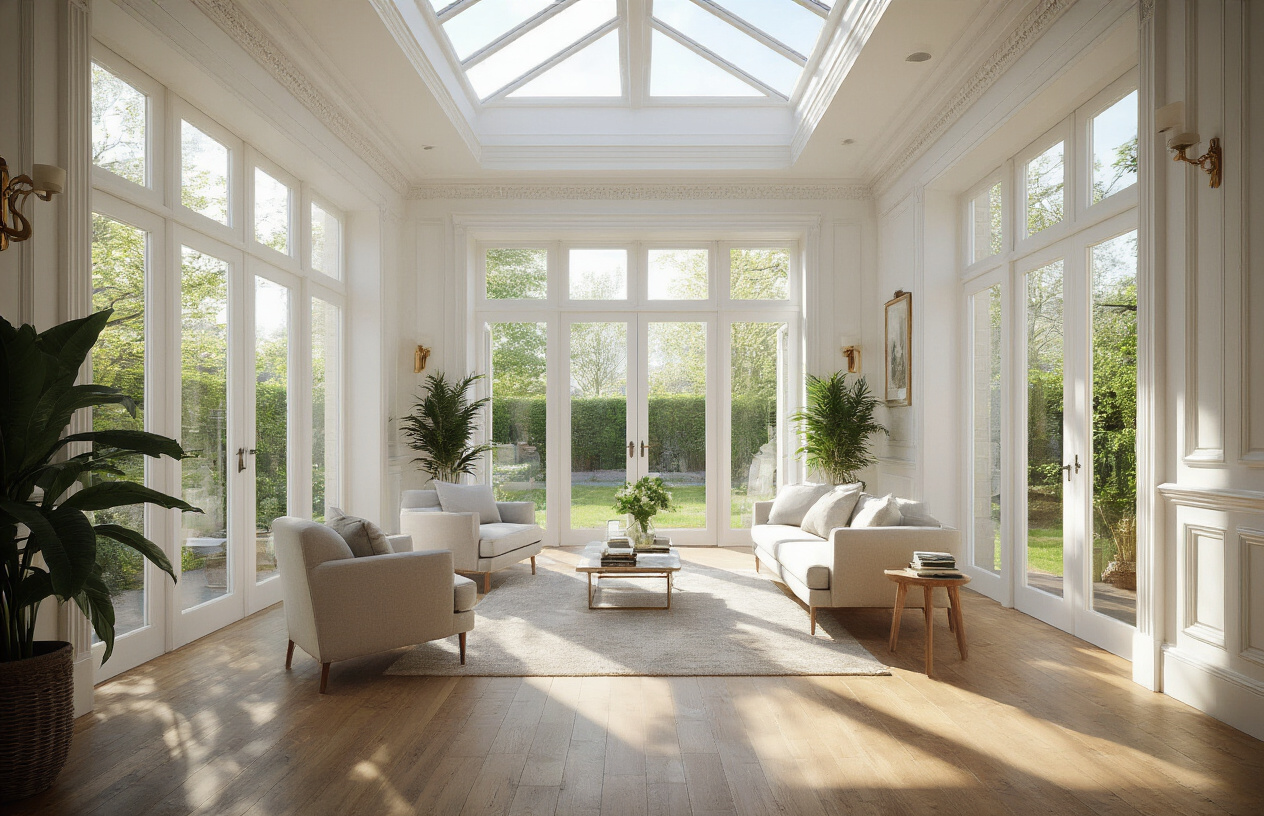
We love how large glazed areas transform dark Victorian spaces into bright, contemporary living areas. Full-width sliding patio doors create seamless indoor-outdoor connections while flooding our extensions with natural light. Picture windows work brilliantly in single-story rear extensions, offering uninterrupted views of our gardens while maintaining the clean lines that complement period architecture.
Add Roof Lights, Roof Lanterns and Glazed Roofs for Overhead Illumination
We find roof lights and lanterns are game-changers for Victorian house extension ideas, bringing light deep into our homes from above. Modern roof lanterns add architectural interest while solving the problem of dark middle areas in deeper extensions. We often specify triple-glazed units for better thermal performance, and motorized opening mechanisms for ventilation during warmer months.
Install Clerestory Windows to Draw Light from High Levels
We use clerestory windows to capture light from high angles without compromising privacy – perfect for Victorian terrace extension ideas where neighboring properties sit close by. These elevated windows work particularly well in kitchen extensions, drawing morning light across worktops while keeping our cooking spaces private. We position them strategically to avoid overlooking issues with adjacent homes.
Use Internal Glazing and Pocket Doors to Flow Light Throughout the Home
We create internal glazing solutions using crittal-style steel frames and large glass panels to share natural light between rooms. Pocket doors with glazed panels disappear completely when open, allowing light to travel freely from our extensions into original Victorian spaces. We’ve seen dramatic before and after transformations where dark hallways become bright circulation areas through clever internal glazing design.
Smart Roof Design Solutions for Period Properties
Create Vaulted Ceilings to Match Victorian High Ceiling Character
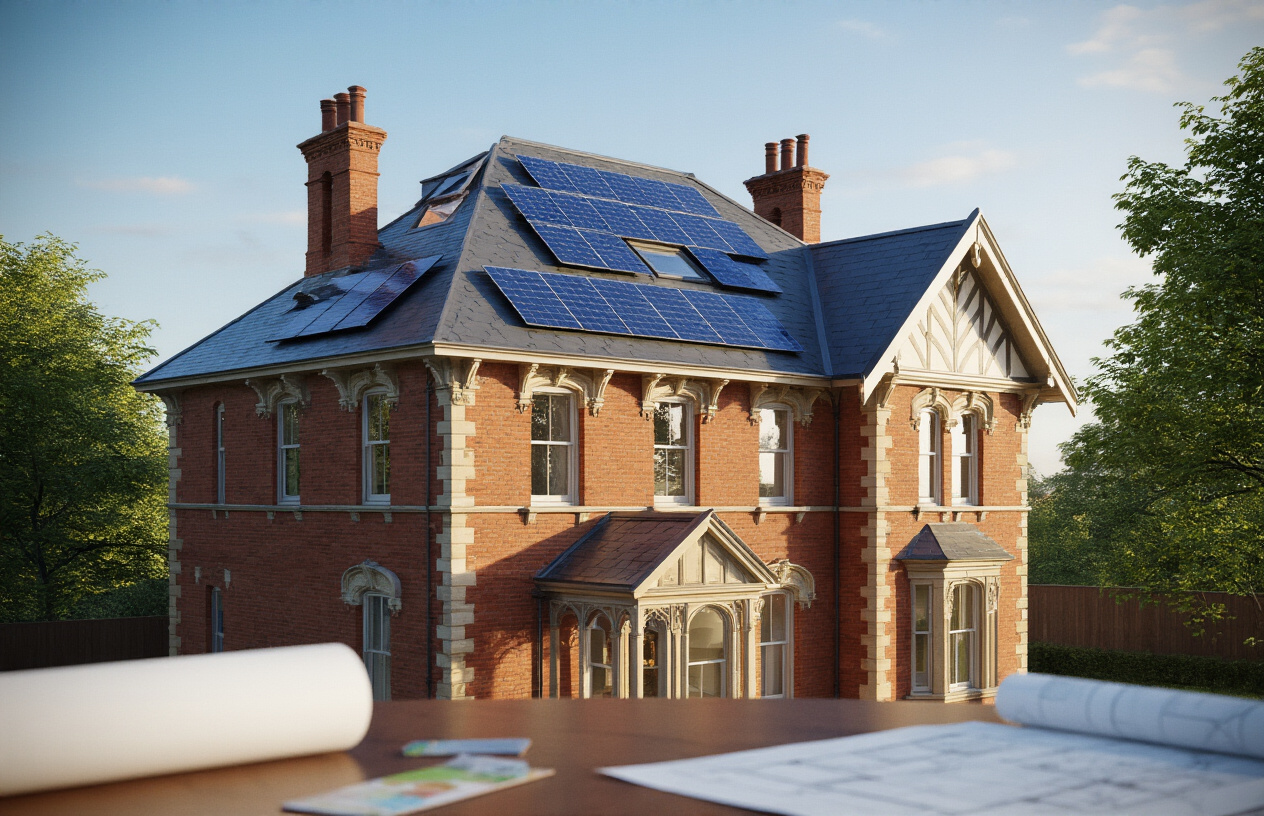
When we add vaulted ceilings to our Victorian house extension ideas, we maintain the grandeur that defines these period properties. We achieve this by incorporating exposed beams or coffered details that echo the original home’s proportions, creating seamless transitions between old and new spaces.
Choose Pitched Roofs to Prevent Blocking Light to Upper Floor Windows
We recommend pitched roofs for our Victorian extensions because they preserve natural light flow to existing upper windows. By angling the roof away from the main house, we prevent overshadowing while creating attractive rooflines that complement the original architecture and enhance both interior brightness and curb appeal.
Consider Flat Roof Extensions for Simple, Unobtrusive Additions
For Victorian house extension ideas that prioritize subtlety, we often choose flat roofs. These clean, minimal designs work particularly well for single-story additions where we want to avoid competing with the main house’s architectural features. We can incorporate roof lights or clerestory windows to maximize natural light without overwhelming the original structure.
Mirror Existing Roof Lines to Maintain Architectural Harmony
We create cohesive Victorian house extension ideas by carefully studying and replicating existing roof pitches, materials, and details. When we match the original slate tiles, chimney proportions, and ridge heights, our extensions feel like natural parts of the home rather than obvious additions, preserving the property’s historical integrity and market value.
Popular Victorian Extension Types and Configurations
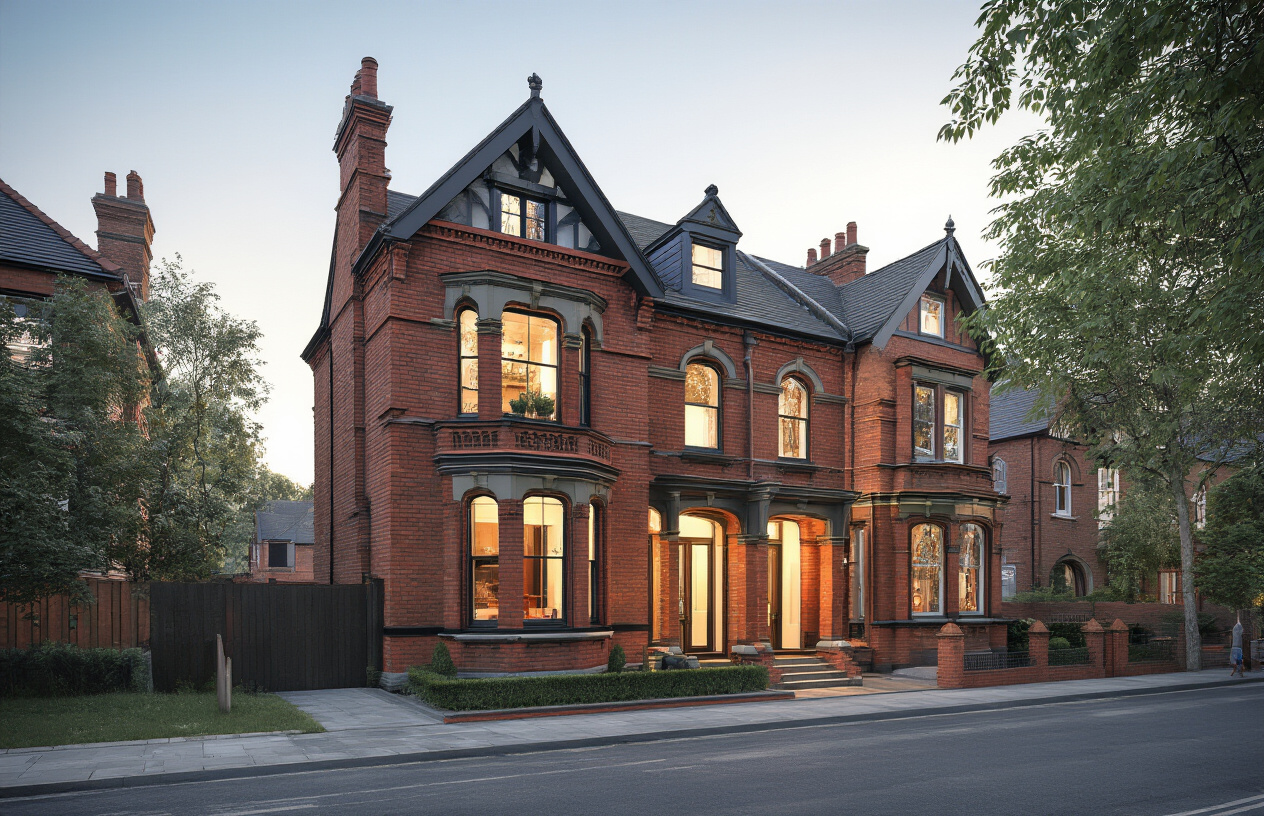
Build Side Return Extensions to Utilize Narrow Alleyway Space
We transform cramped Victorian terraces by reclaiming side return space, creating open-plan kitchen-diners that feel twice their original size. These Victorian house extension ideas work brilliantly on properties with narrow side passages, typically measuring 1-1.5 meters wide. We design these extensions with glazed roofs and bi-fold doors to maximize natural light while maintaining the character of your period home. The results speak for themselves – what was once wasted alleyway becomes the heart of your home.
Design Full-Width Extensions for Larger Garden Properties
We maximize space on larger Victorian properties by extending across the full width of the rear elevation. These impressive additions create substantial open-plan living areas perfect for modern family life. We carefully balance contemporary living needs with period character, often incorporating exposed brick walls or Victorian-style roof tiles. The key lies in stepping the extension back from the main house to maintain proportions and respect neighboring properties while delivering maximum internal space.
Create Lean-To Extensions as Cost-Effective Space Solutions
We recommend lean-to extensions as budget-friendly Victorian house extension ideas that deliver excellent value. These simple, single-story additions work particularly well for small Victorian house extension ideas where space is limited. We design them with pitched or mono-pitched roofs, often incorporating roof lights to flood the space with natural light. While basic in concept, we elevate these extensions with quality materials and thoughtful detailing to ensure they complement your Victorian home’s character perfectly.
Combine Loft Conversions with Ground Floor Extensions
We create dramatic transformations by combining loft conversions with ground floor extensions, maximizing every inch of your Victorian property. This approach works exceptionally well for growing families needing both additional bedrooms and living space. We coordinate both projects to ensure structural elements work together efficiently, often sharing costs for scaffolding and planning applications. The result delivers multiple new rooms while maintaining your home’s period charm – perfect modern Victorian house extension ideas that add significant value.
Solving Common Victorian Home Layout Problems
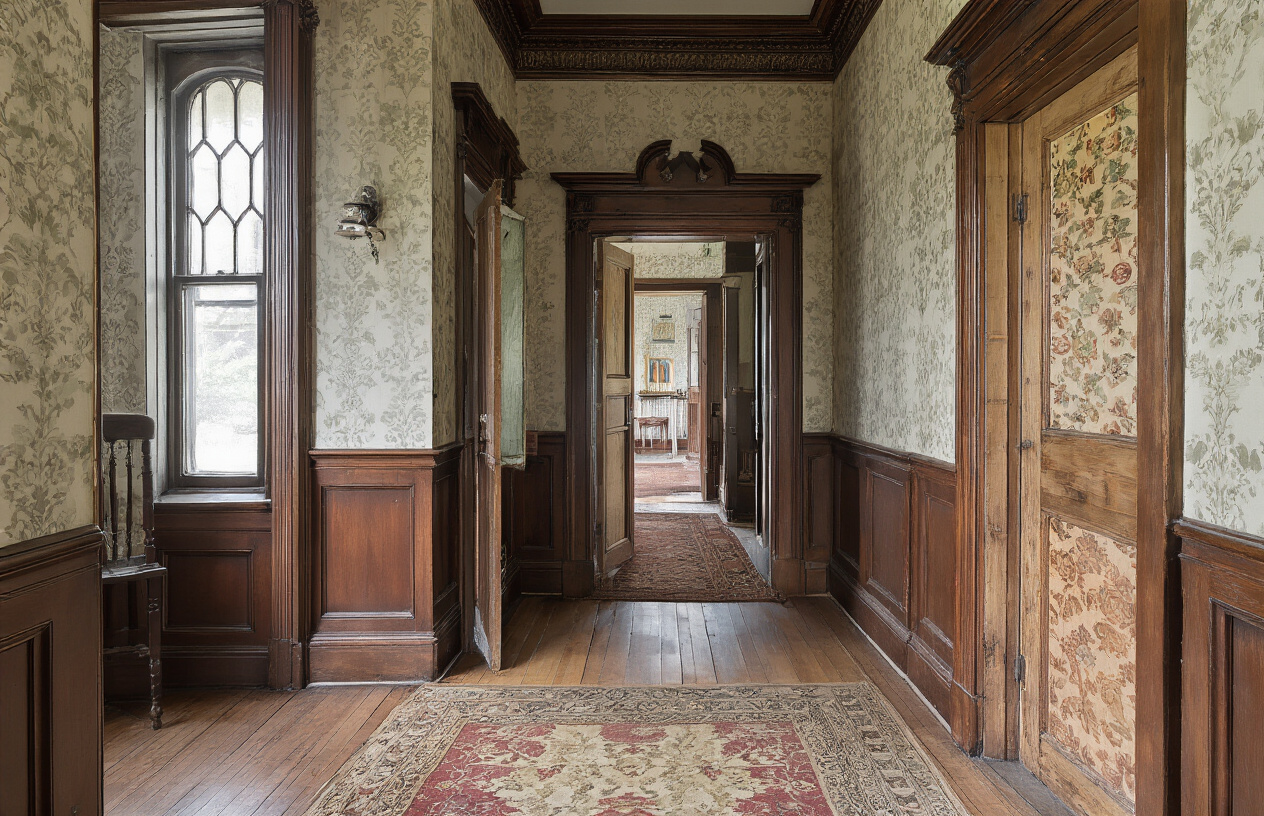
Address the Awkward Middle Room with Internal Courtyards or Strategic Lighting
Victorian houses often feature narrow, dark rear sections that create awkward middle rooms between the elegant front and back spaces. We can transform these challenging areas by introducing internal courtyards that bring natural light deep into the house plan, or by implementing strategic lighting solutions that brighten these transitional zones and improve the overall flow.
Open Up Cramped Galley Kitchens into Sociable Spaces
The typical Victorian galley kitchen feels cramped and disconnected from family life. We recommend single-storey rear extensions, often glazed to maximize natural light and create open-plan kitchen/diner spaces that serve modern living needs. These extensions deliberately contrast the compartmentalized original layout with contemporary open-plan design, transforming cooking areas into sociable family hubs.
Create Better Flow Between Old and New Sections
Successfully connecting heritage and modern sections requires careful attention to the spatial journey from heavy, ornate, enclosed historic spaces at the front to light-filled, open-plan modern extensions at the rear. We achieve this through thoughtful design that emphasizes contrast while maintaining the integrity of the original Victorian structure, ensuring smooth transitions between different architectural periods.
Incorporate Multi-Level Designs by Digging Down for Semi-Basements
Many Victorian houses feature existing cellars that we can develop into semi-basements, adding valuable living space through multi-level designs. This approach maximizes the potential of thick Victorian walls and high ceilings while creating additional functional areas below ground level, particularly effective when combined with rear extensions that bring natural light into these lower spaces.
Material and Window Choices for Victorian Extensions
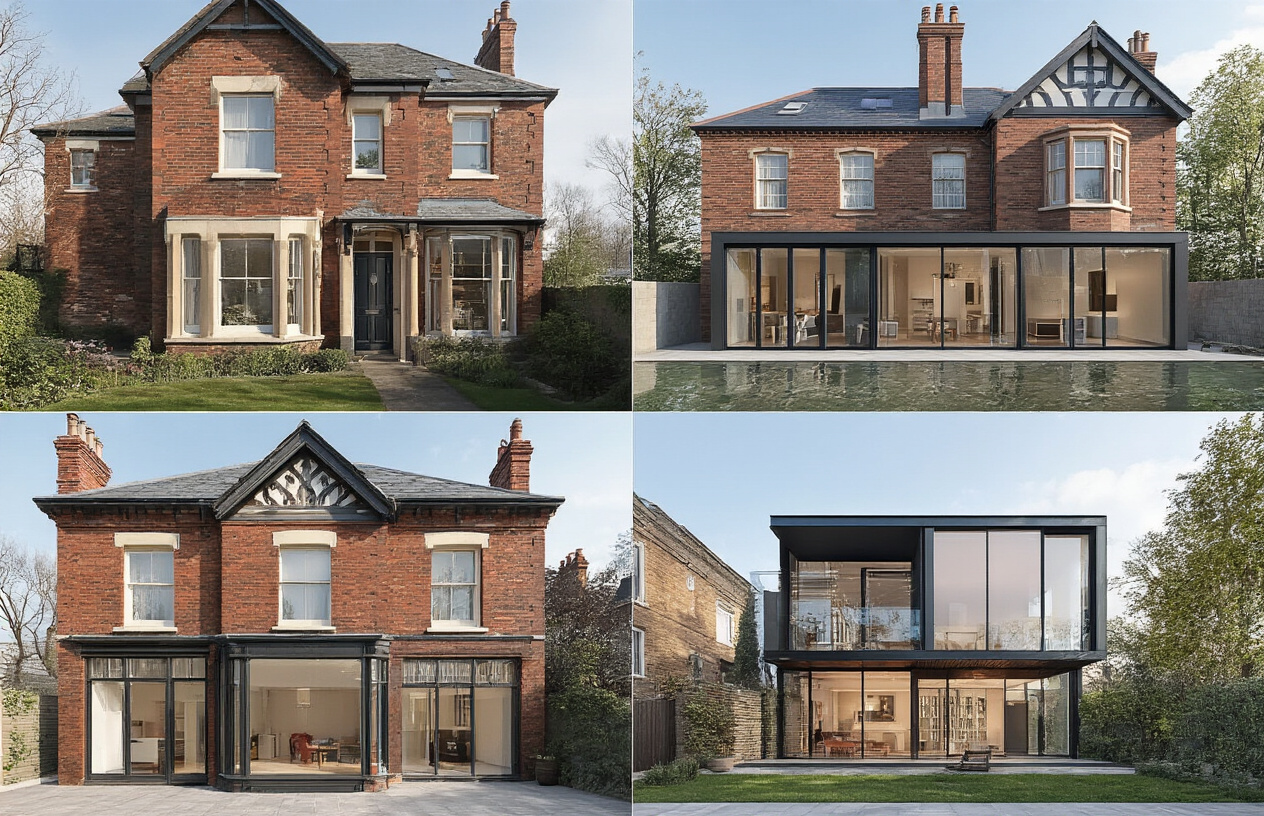
Select Crittall-Style Windows and Heritage Glazing for Character
When we’re planning modern Victorian house extension ideas, we love incorporating Crittall-style windows with their distinctive black steel frames and slender glazing bars. These heritage-inspired windows create stunning visual impact while maintaining the period character that makes Victorian properties so appealing. We often pair these with large-format glass panels to maximize natural light while respecting the architectural heritage.
Use Charred Timber Cladding for Striking Contemporary Contrast
We’ve seen incredible Victorian house extension ideas before and after transformations using charred timber cladding, which creates a bold contemporary statement against traditional brick walls. This Japanese-inspired technique offers exceptional durability and weather resistance while providing a sophisticated charcoal finish that complements Victorian red brick beautifully. The textural contrast makes both old and new elements shine.
Choose Consistent Window Styles Across Old and New Sections
Our approach to small Victorian house extension ideas always includes careful window coordination between existing and new sections. We select frames with consistent proportions and materials, whether using traditional sash windows throughout or modern alternatives with similar visual weight. This creates seamless transitions that make extensions feel like natural additions rather than obvious afterthoughts.
Source Matching Materials from Reclamation Yards When Blending
For Victorian terrace extension ideas that prioritize seamless integration, we regularly visit reclamation yards to source matching bricks, roof tiles, and architectural details. These salvaged materials often provide perfect color matches and authentic weathering that new materials simply can’t replicate. We’ve discovered that investing time in material sourcing dramatically improves the final result and helps extensions blend invisibly with existing structures.
Practical Considerations for Victorian Extensions
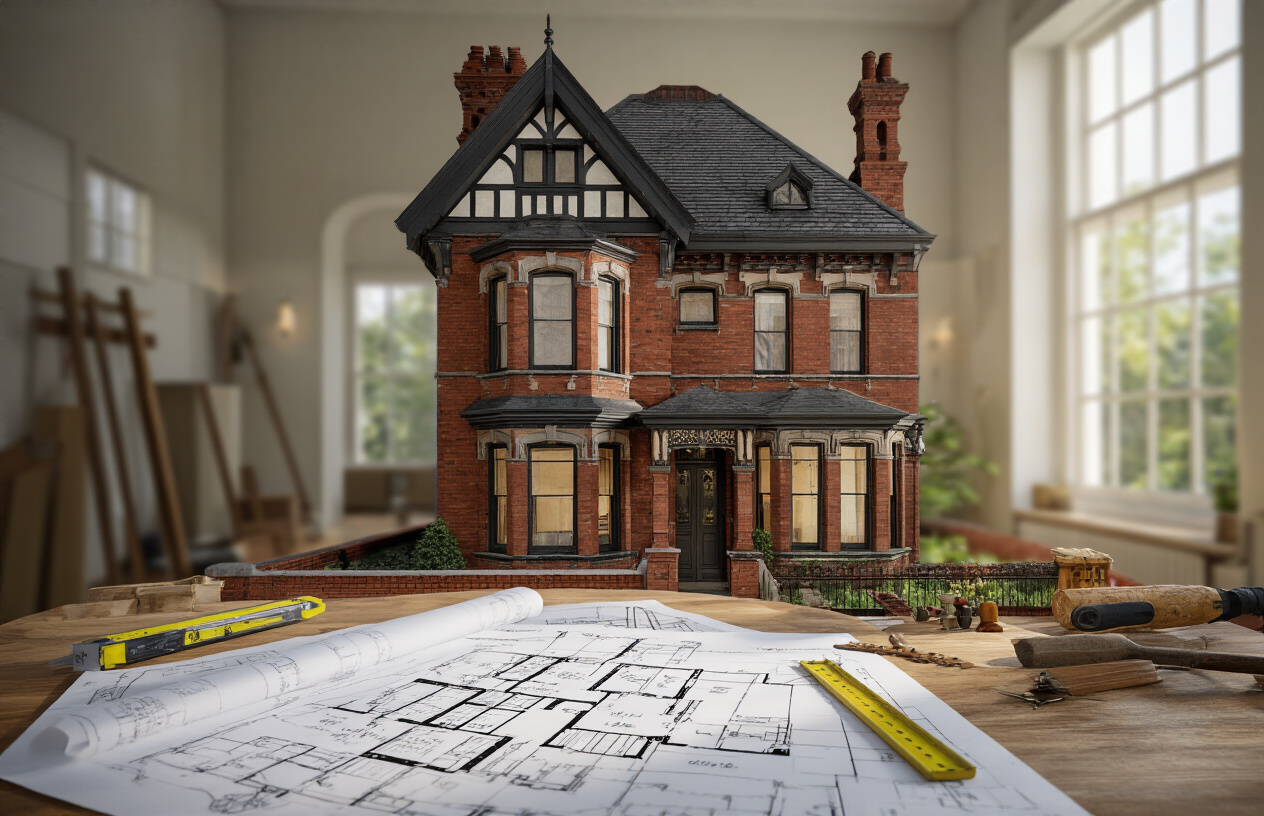
Plan Electrical Systems with Separate Consumer Units for Extensions
When we’re planning our Victorian house extension ideas, we need to think about electrical systems from day one. Installing a separate consumer unit for the extension gives us better control and makes future maintenance much easier. We can isolate power to the new area without affecting the main house, which proves invaluable during any renovations or repairs. This approach also helps us meet building regulations more smoothly and prevents overloading our existing Victorian-era electrical setup.
Handle Party Wall Agreements and Keep Neighbors Onside
We’ve learned that managing party wall agreements properly can make or break our Victorian terrace extension ideas. Getting our neighbors involved early in the conversation helps avoid costly delays later. We recommend sharing our plans informally before submitting formal notices, explaining how we’ll minimize disruption during construction. Building good relationships with neighbors often leads to smoother approvals and less stress throughout the project. Many Victorian terraces share walls, so this step becomes even more critical for our success.
Disguise Existing Pipework with Insulated Boxing
Victorian homes often have exposed pipework that we need to work around during extensions. We’ve found that creating insulated boxing around existing pipes serves two purposes – it hides unsightly plumbing and prevents heat loss from hot water pipes. We can build these boxes using moisture-resistant materials and ensure easy access for future maintenance. This approach keeps our extension looking clean while protecting existing infrastructure. Smart boxing design can even become a feature, doubling as shelving or storage in our new space.
Retain Existing Structure Where Possible to Control Costs
We always look for ways to work with our Victorian home’s existing structure rather than against it. Keeping original walls, foundations, and roof elements where possible dramatically reduces our Victorian house extension cost. We’ve seen projects save thousands by adapting designs to work with existing features like chimney breasts or load-bearing walls. Sometimes this means adjusting our plans slightly, but the savings make it worthwhile. Working with what we have also helps preserve the character that makes Victorian homes so special.
Enhancing Your Extension with Complementary Design Elements
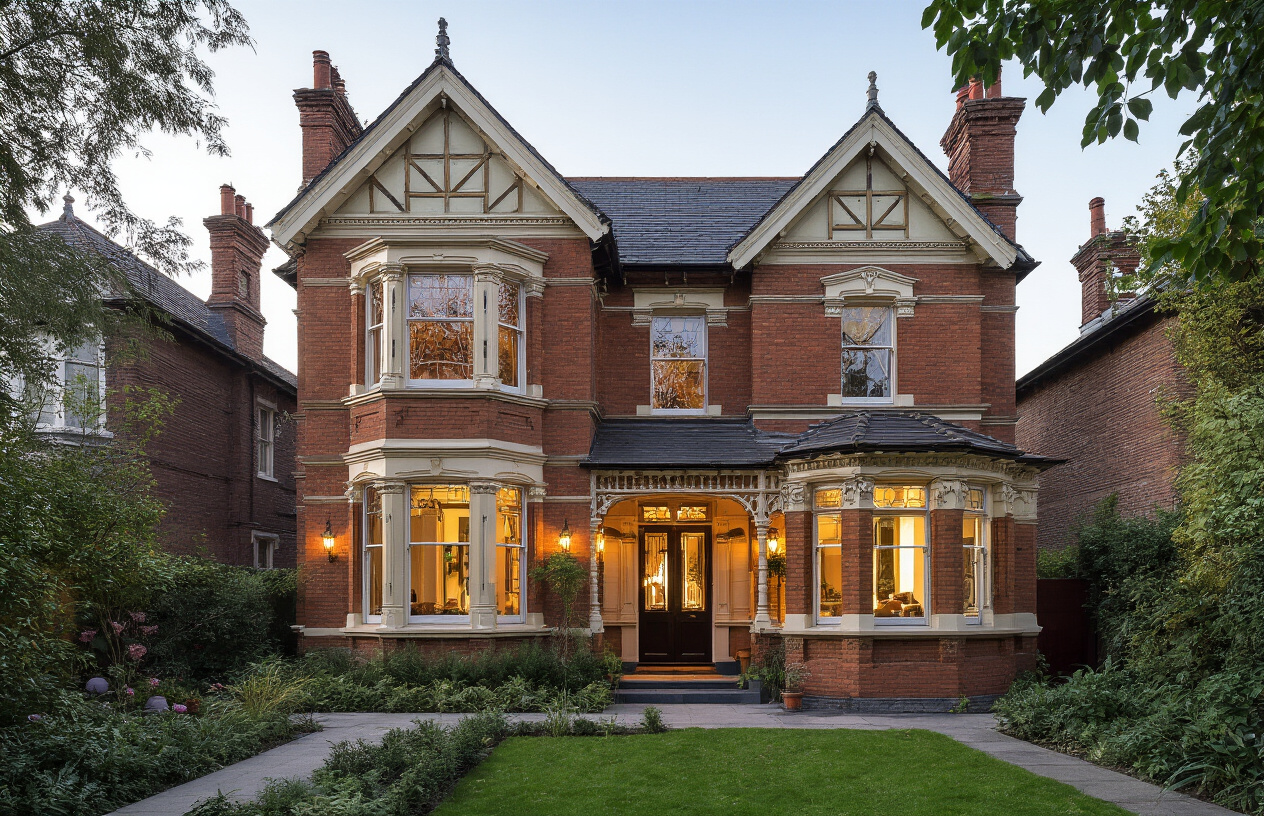
Design Coordinated Garden and Courtyard Spaces
We love creating seamless transitions between our Victorian house extensions and outdoor areas. When we design courtyards or garden spaces adjacent to our new extension, we use matching materials like reclaimed brick or natural stone that echo the original house character. Our approach includes installing large bi-fold doors or French windows that blur the boundaries between inside and outside. We often add raised planters with period-appropriate plants like box hedging or climbing roses to maintain that classic Victorian garden feel while complementing our modern extension work.
Add Built-In Storage Solutions to Maximize Space Efficiency
We always prioritize clever storage when working on Victorian house extension ideas. Our built-in solutions include custom alcove shelving that mirrors the original house proportions, under-stair storage that maximizes every inch, and window seat storage that serves dual purposes. We design floor-to-ceiling cupboards with traditional paneled doors that blend with Victorian styling while providing modern functionality. Our favorite trick is creating hidden storage behind what appears to be decorative wall panels, giving our clients maximum space without compromising the period aesthetic.
Plan Strategic Lighting with Multiple Sources and Dimmers
We approach lighting in Victorian extensions with layers that enhance both functionality and atmosphere. Our strategy combines ambient ceiling lights with task lighting over work areas and accent lighting that highlights architectural features. We install dimmer switches on all circuits so our clients can adjust brightness throughout the day. Our go-to combination includes recessed LED downlights for general illumination, pendant lights over kitchen islands or dining areas, and wall-mounted uplighters that bounce light off ceilings. We also add under-cabinet lighting in kitchens and reading lights in living spaces to create that perfect Victorian house extension balance.
Use Consistent Flooring and Color Schemes to Connect Spaces
We create visual flow between our Victorian house extensions and existing rooms through thoughtful material choices. Our preferred approach uses wide oak planks or natural stone that runs continuously from the original house into the new extension, creating an unbroken sight line. We select paint colors that complement the Victorian palette while feeling fresh and contemporary – soft grays, warm whites, and muted blues work beautifully. Our color strategy includes using deeper tones on feature walls and lighter shades on main surfaces to maintain that sense of space and light that makes modern Victorian house extension ideas so successful.
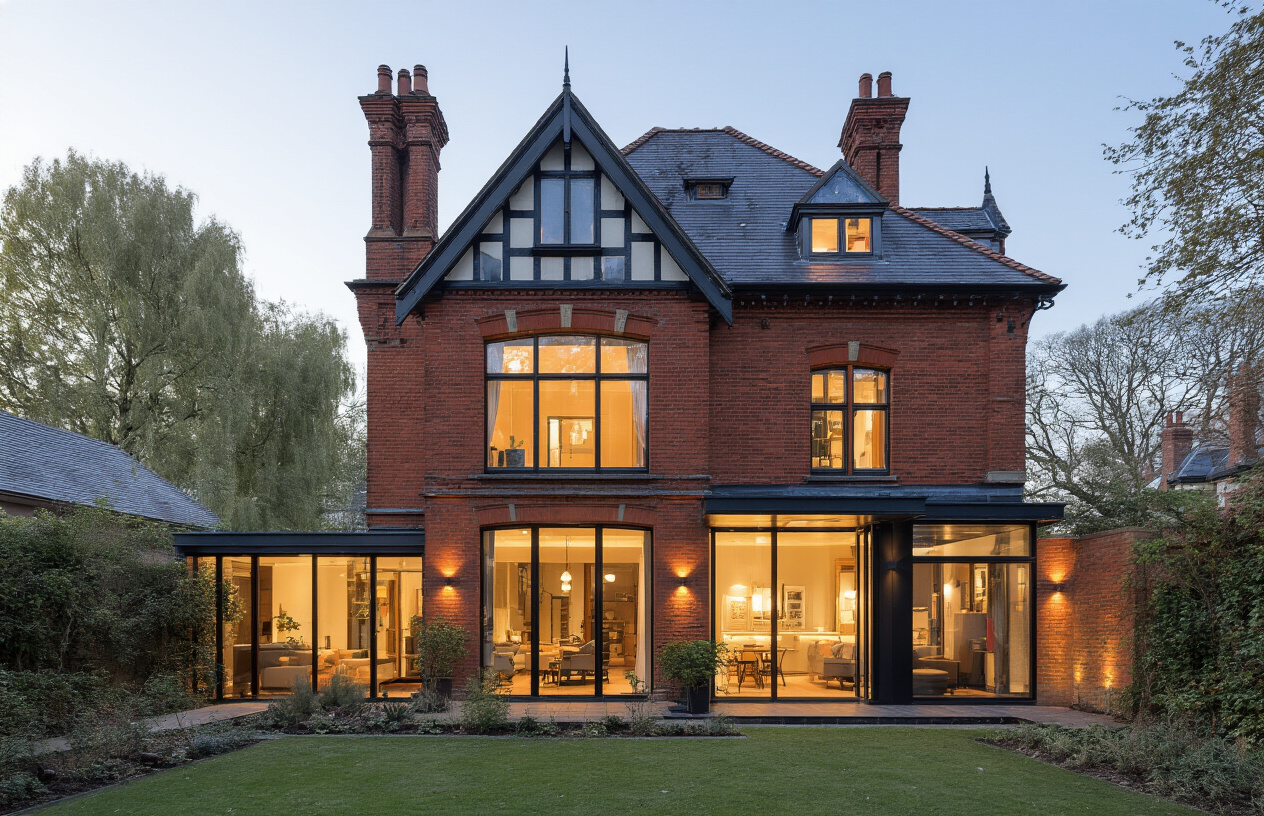
Victorian house extensions offer endless possibilities to transform your period property while respecting its architectural heritage. Whether you choose to blend seamlessly with matching materials and traditional forms, or create striking contrasts with modern elements like glass boxes, charred timber cladding, or pigmented concrete panels, the key lies in thoughtful design that enhances rather than competes with your home’s existing character. From maximizing natural light through clever glazing solutions to solving layout problems with strategic side returns and rear extensions, each approach we’ve explored demonstrates how old and new can work harmoniously together.
As you embark on your Victorian extension journey, remember that success depends on careful planning, understanding your property’s unique characteristics, and considering practical elements like planning permissions, neighbor relations, and material choices. Whether you’re drawn to the simplicity of a lean-to extension or the drama of a double-height dining space with Crittall-style glazing, your extension should tell the next chapter of your home’s story. Take time to source quality materials, work with experienced professionals, and don’t be afraid to inject your personal style while honoring the craftsmanship of the Victorian era. The result will be a home that beautifully bridges past and present, providing the modern living space you need while preserving the timeless charm that makes Victorian properties so beloved.