

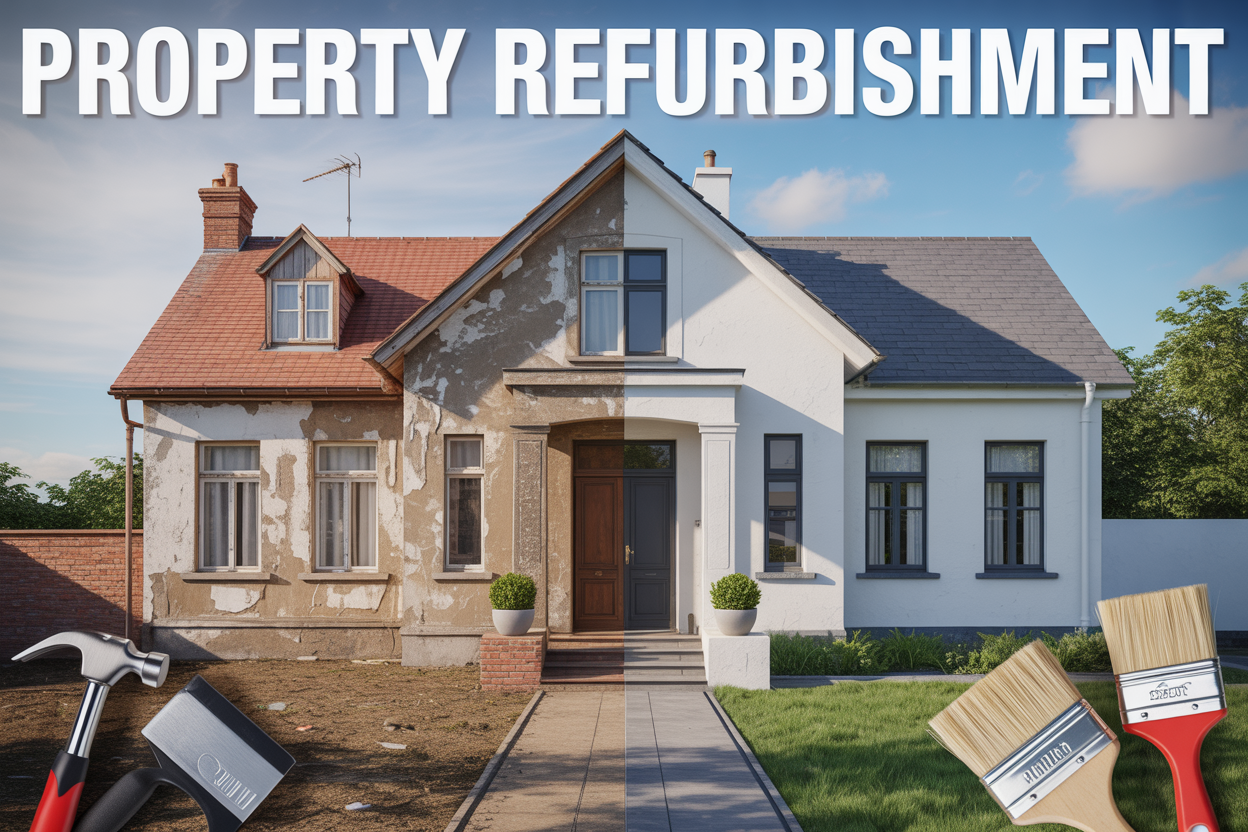
Property refurbishment can transform your investment returns and tenant satisfaction, but knowing the right approach saves you money and headaches. We’re here to guide property investors, landlords, and homeowners through the different property improvement methods available in the UK market.
Our experience with property refurbishment projects across London and beyond has taught us that choosing between refurbishment, renovation, and reconstruction makes a huge difference to your timeline, budget, and final results. We’ll walk you through the key differences between these approaches so you can pick the best one for your specific property and goals.
In this guide, we’ll cover when to choose each property improvement method based on your building’s condition and your investment strategy. We’ll also break down the cost and time considerations that affect your bottom line, plus the planning permission and legal requirements you need to know about before starting any work.
Understanding the Key Differences Between Property Improvement Methods
Refurbishment: Restoring Properties to Good Condition
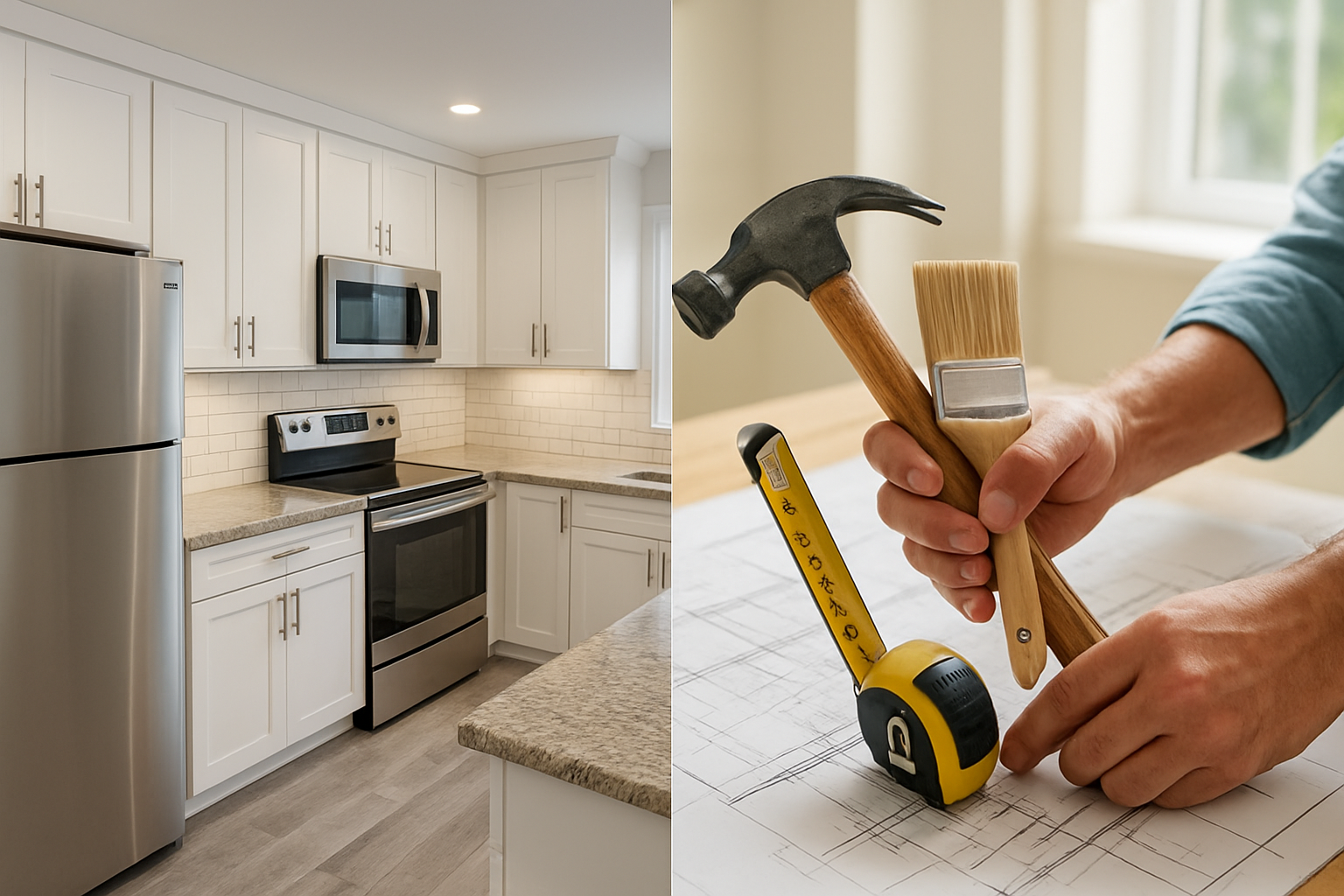
When we consider property refurbishment, we’re focusing on restoring and updating existing structures to good condition while preserving their core framework. Refurbishment projects typically involve cosmetic enhancements, replacing outdated fixtures, and modernizing systems without making substantial structural changes. Our approach ensures properties maintain their original character while meeting contemporary standards for comfort and functionality.
Renovation: Updating and Improving Without Structural Changes
We understand renovation as the process of making updates and improvements to existing structures while maintaining their original form and layout. Renovation projects focus on enhancing aesthetics, comfort, and functionality through minimal structural changes. These improvements might include installing new flooring, painting, replacing fixtures and faucets, or updating electrical and plumbing systems to modern standards while preserving the building’s existing framework and room functions.
Reconstruction: Major Rebuilding for Damaged or Outdated Properties
Unlike refurbishment and renovation, we approach reconstruction as a comprehensive rebuilding process involving major alterations to a property’s structure and layout. Reconstruction projects typically require demolition before rebuilding areas to create entirely new spaces with improved functionality. We undertake reconstruction when properties are structurally unsound, severely damaged by disasters like fire or water, or when existing structures no longer meet current safety codes and functional requirements.
When to Choose Each Property Improvement Approach
Signs Your Property Needs Simple Refurbishment
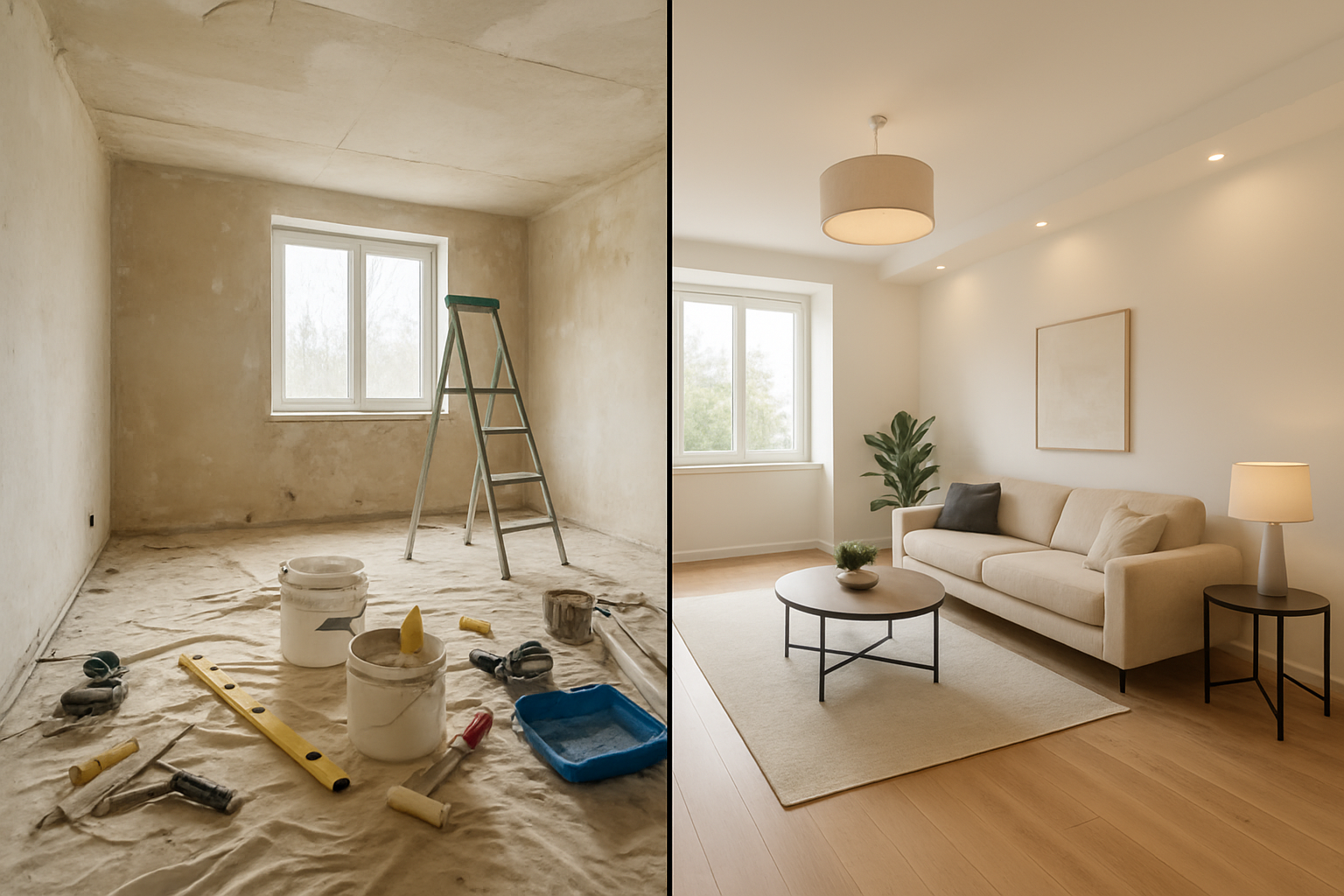
When we assess our properties, we look for specific indicators that signal basic refurbishment is sufficient. Properties requiring routine maintenance typically need repairs that preserve existing functionality – such as fixing leaks, repainting walls, or replacing broken appliances with comparable models. We budget approximately 1-2% of property value annually for these maintenance activities. Signs include cosmetic wear, minor plumbing issues, outdated fixtures, or systems functioning but showing age. These improvements maintain competitive market positioning without major structural changes.
Identifying When Renovation is the Best Option
We recognize renovation opportunities when properties need substantial improvements that increase value beyond basic maintenance. Key indicators include outdated kitchens or bathrooms that significantly impact rental potential, inefficient HVAC systems requiring upgrades beyond original specifications, or spaces that could benefit from layout modifications. We prioritize high-ROI improvements that significantly increase rent or reduce operating costs. For example, when we calculated adding storage sheds to generate $75 monthly income for a $2,000 investment, the 45% ROI made renovation clearly worthwhile.
Recognizing When Reconstruction Becomes Necessary
We identify reconstruction needs when properties have fundamental structural issues or safety compliance problems requiring immediate attention. This includes situations where multiple major systems need replacement simultaneously, structural damage affects habitability, or properties require complete modernization to meet current building codes. We prioritize safety and legal compliance issues as our first consideration, followed by repairs preventing further property damage. Reconstruction becomes necessary when the cumulative cost of individual repairs exceeds the value of comprehensive rebuilding, or when properties need complete adaptation for new uses.
Cost and Time Considerations for Each Method

Budget-Friendly Refurbishment Projects and Timelines
We’ve found that simple refurbishment projects like painting and cosmetic updates can be completed within 1-2 weeks with minimal disruption. These budget-friendly approaches focus on surface-level improvements that deliver immediate visual impact without extensive structural work, making them ideal for property refurbishment contractors working with tight timelines and cost constraints.
Mid-Range Renovation Investments and Returns
Our experience shows that mid-range renovations typically require 8-10 weeks for a 2,500 square foot property, involving electrical work, plumbing updates, and interior finishes. These property refurbishment projects in London often include cabinet installation, flooring replacement, and mechanical system upgrades that provide substantial returns while maintaining reasonable investment levels for most homeowners.
High-Cost Reconstruction Projects with Maximum Profit Potential
We’ve observed that comprehensive reconstruction projects involving structural changes, framing work, and extensive mechanical systems can extend from 2-6 months depending on scope complexity. These high-investment property refurbishment companies undertake projects that include demolition phases, permit acquisition processes, and specialty work requiring multiple trades, delivering maximum transformation potential for estate renovation investments.
Planning Permission and Legal Requirements
Planning Permission and Legal Requirements
Refurbishment Projects That Avoid Complex Approvals
We understand that many property refurbishment projects can proceed without complex planning permission requirements. Under permitted development rights, certain domestic alterations and extensions can be completed without formal planning consent. These typically include internal renovations, minor external changes, and smaller-scale improvements that don’t significantly alter the property’s external appearance or structural integrity. However, we always recommend checking with your local planning authority first, as restrictions may apply in conservation areas or for listed buildings.
When Renovations Require Building Regulations Approval
When we undertake more substantial renovation work, building regulations approval becomes essential for ensuring safety and compliance. We find that electrical upgrades, plumbing alterations, new installations, and HVAC system changes typically require specific permits. Major structural work, additions, and significant alterations to existing properties must comply with building codes. Our experience shows that mechanical permits cover heating and cooling system installations, while electrical and plumbing permits ensure all work meets safety standards and local regulations.
Structural Changes and Planning Permission for Reconstruction
We recognize that structural changes and reconstruction projects require the most comprehensive planning permission and legal approvals. Significant alterations, extensions, or changes affecting the external appearance typically need formal planning consent, especially in conservation areas. When we work on properties with landmark status or in historic districts, additional approvals from preservation commissions become necessary. Building permits are essential for major structural work, and we often need multiple permits covering fire safety, environmental protection, and transportation department approvals depending on the project scope.
Managing Projects in Occupied Properties

Minimizing Disruption During Refurbishment Work
Now that we’ve covered the different approaches to property improvement, we need to address the practical challenges of managing occupied properties. When undertaking refurbishment work while tenants remain in residence, we must prioritize clear communication and strategic scheduling. We should meet with residents to explain the extent of renovations, walking through the unit to show where construction will occur. It’s essential we inform tenants about potential noises, odors, and general inconveniences they might encounter. Creating a detailed schedule with residents and booking our contractors accordingly helps minimize disruption. We must always send a 24-hour notice of entry before accessing the unit and provide advance notice of renovation work to respect tenants’ privacy rights.
Keeping Tenants Happy During Renovation Projects
Previously, we’ve established that maintaining positive tenant relationships is crucial during refurbishment projects. We should consider offering rent concessions as incentives to maintain good relationships with residents. Common concessions include rent reductions when certain areas become inaccessible, waived fees such as pet expenses, new appliances or upgrades, free or reduced utility costs, and clearance to personalize the rental property. While we’re not legally obligated to offer these concessions, they can be instrumental in retaining tenants and avoiding potential legal issues. We must also be prepared to compensate tenants if construction work damages their personal property, as residents have the right to request monetary compensation for financial losses caused by our renovation activities.
When Reconstruction Requires Complete Property Evacuation
With this in mind, some extensive renovation projects pose safety risks that make it impossible for tenants to remain in the property. When reconstruction work involves major structural changes, electrical overhauls, or hazardous materials, we may need to require complete property evacuation. In these situations, we should offer to pay for tenants to temporarily relocate by placing them in nearby hotels or alternative accommodation units. However, tenants aren’t always eager to relocate, and we cannot force them to leave unless safety concerns warrant it. We must thoroughly vet our refurbishment contractors before starting projects to ensure resident safety and minimize the need for evacuation. When evacuation becomes necessary, clear communication about timelines and comprehensive relocation assistance becomes our primary responsibility.
Real-World Examples and Case Studies

Successful Family Home Refurbishment Projects
While we would typically showcase detailed family home transformations in this section, our available case studies primarily focus on traditionally constructed buildings and conservation projects. Through our research with organizations like Historic Environment Scotland, we’ve observed that successful property refurbishment projects often involve comprehensive site work monitoring and systematic approaches to building upgrades, particularly when dealing with heritage properties requiring specialized restoration techniques.
Converting Properties Through Strategic Renovation
Our examination of property conversion projects reveals that strategic renovation requires careful planning and technical expertise. Based on available case studies, we’ve learned that successful conversions often involve detailed site assessments and ongoing monitoring throughout the renovation process. These projects demonstrate the importance of understanding traditional construction methods when transforming properties for modern use.
Complete Property Transformation via Reconstruction
Complete property transformations represent the most comprehensive approach to property improvement. From our analysis of reconstruction case studies, we’ve identified that these projects require extensive technical knowledge and systematic project management. The most successful transformations we’ve studied involve thorough documentation of existing conditions, careful planning of reconstruction phases, and continuous monitoring to ensure quality outcomes and compliance with building conservation standards.
Professional Assessment and Project Planning
Getting Property Inspections Before Starting Work
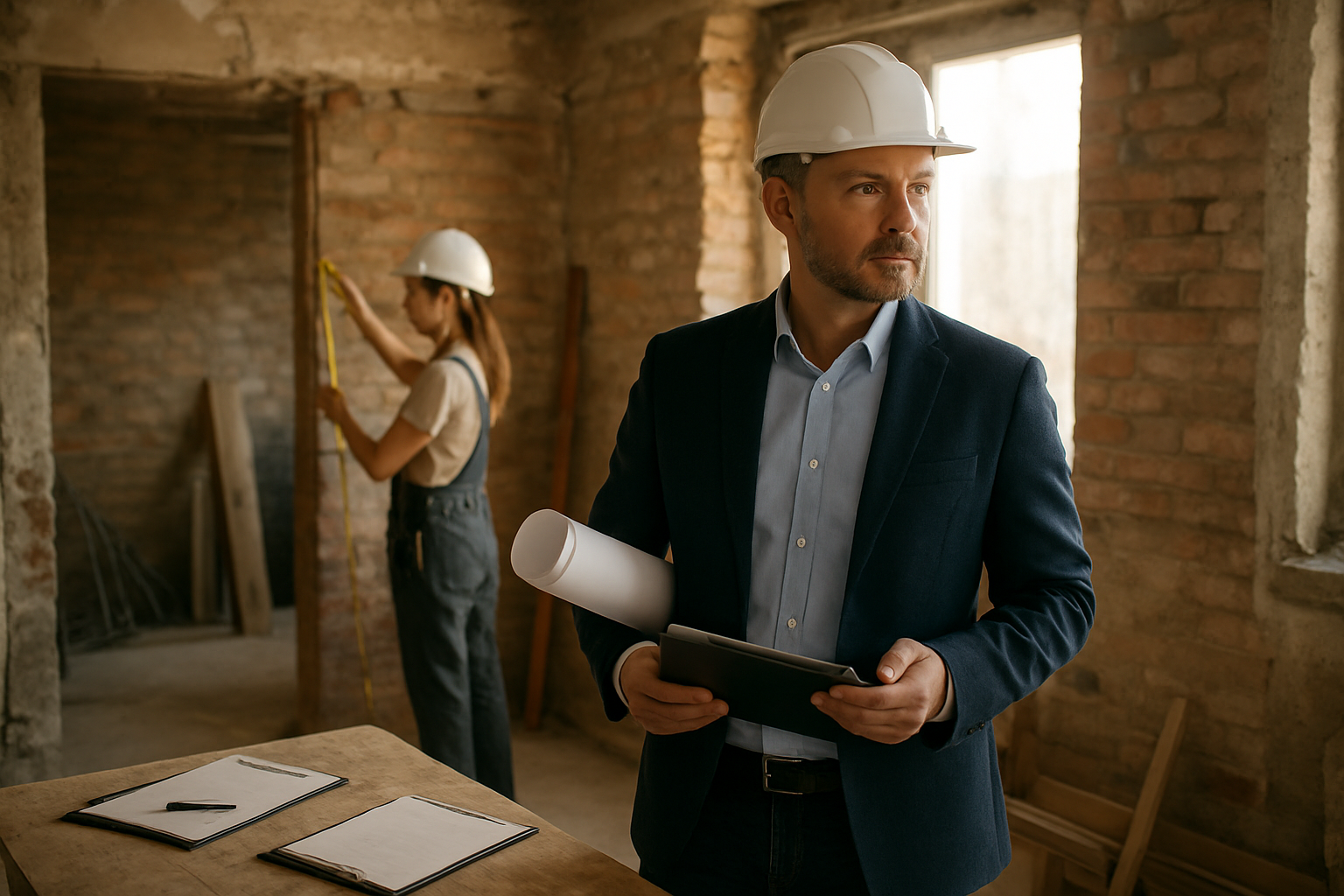
We recommend conducting comprehensive property inspections at three critical stages of your refurbishment project. Before demolition begins, we need pre-renovation assessments to identify structural concerns, aging systems, and hidden damage like water infiltration or compromised foundations. During construction, we schedule mid-renovation inspections to verify framing, electrical, and plumbing work meets building codes before walls are sealed. After completion, we arrange post-renovation inspections to confirm all installations are safe, functional, and compliant with local regulations, providing essential documentation for our investment protection.
Working with Construction Specialists for Complex Projects
We partner with qualified professionals who possess specific experience in renovation projects and deep understanding of local building codes. Our construction specialists utilize advanced tools including thermal imaging cameras to detect moisture issues, infrared technology for hidden structural problems, and specialized equipment that provides data beyond surface-level observations. We ensure our team includes certified professionals from recognized organizations who offer comprehensive expertise in structural integrity assessment, electrical systems evaluation, plumbing network analysis, and HVAC system examination for complex refurbishment projects.
Long-Term Maintenance Planning After Completion
We develop strategic maintenance plans that protect our refurbishment investment and maximize return on investment. Our post-completion planning includes documented inspections and repairs that enhance property appeal to future buyers, verification of quality contractor work, and prevention of costly rework through early problem identification. We focus on ensuring new electrical and plumbing installations maintain safety standards, added structures like extensions remain stable, and all previously identified problem areas were properly addressed during the renovation process for sustained property value enhancement.

Understanding the differences between refurbishment and renovation is crucial for making informed decisions about your property projects. Through our exploration of cost considerations, timeframes, legal requirements, and real-world examples, we’ve seen that refurbishment focuses on restoring properties to good condition with cosmetic updates and repairs, while renovation involves structural changes that transform spaces into something new. Each approach serves different purposes and delivers varying returns on investment.
When planning your next property project, we recommend conducting a thorough professional assessment to determine which method best suits your goals, timeline, and budget. Whether you’re updating a family home for resale or converting a property for shared accommodation, choosing the right approach from the start will save you both money and headaches down the road. Remember that renovation projects may require planning permission and building regulations approval, while refurbishment typically offers a quicker, more cost-effective path to improving your property’s condition and value.