

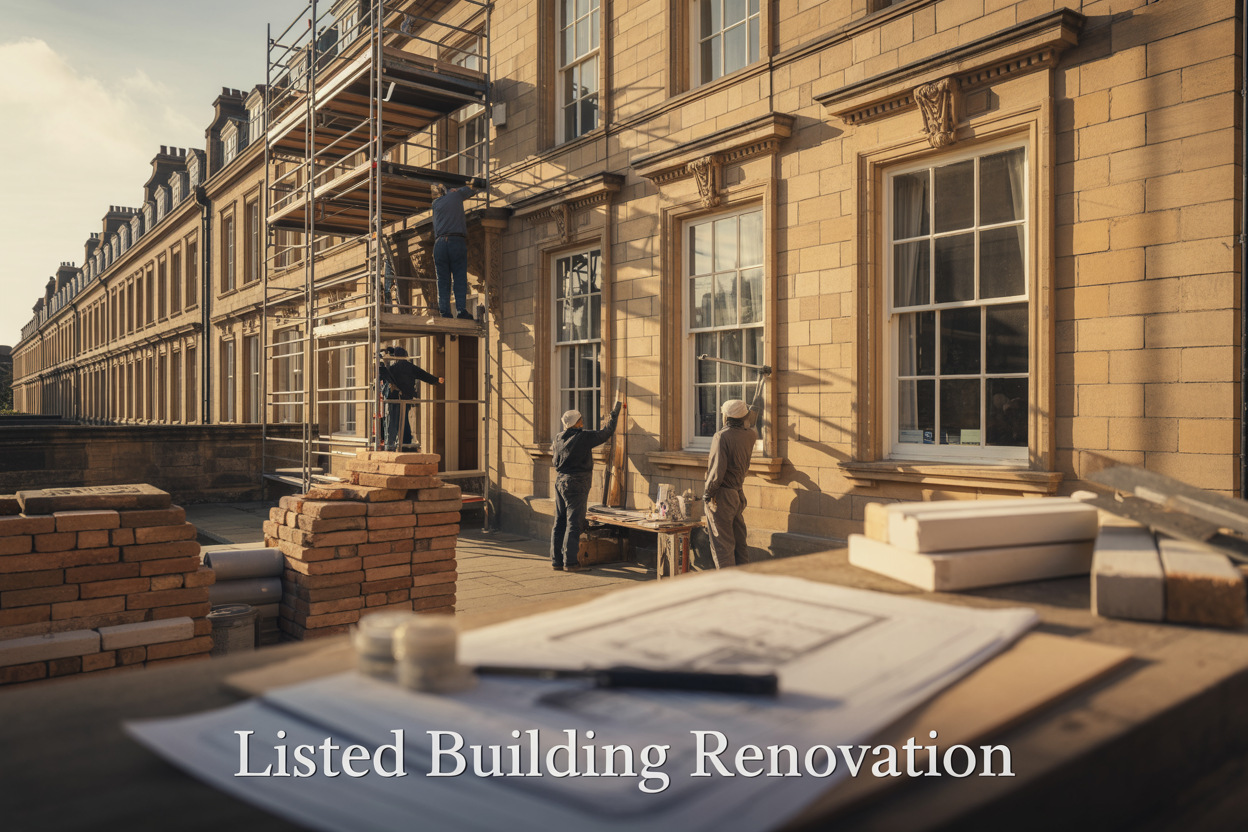
Listed building renovation brings together heritage preservation with modern living needs, but navigating the legal requirements and finding the right approach can feel overwhelming. We created this guide for current and prospective listed property owners who want to renovate their homes while respecting their historical significance.
Listed buildings aren’t meant to be frozen in time. With proper planning and expert guidance, we can adapt these historic structures to support contemporary lifestyles while preserving their special character for future generations.
We’ll walk through the essential legal requirements and consent processes you need to understand before starting any work. We’ll also cover how to choose conservation professionals who specialize in listed building renovation and understand the unique challenges these projects present. Finally, we’ll explore the traditional materials and techniques that protect your building’s integrity while achieving your renovation goals.
Understanding Legal Requirements and Getting Proper Permissions
Choosing the Right Professionals for Your Project
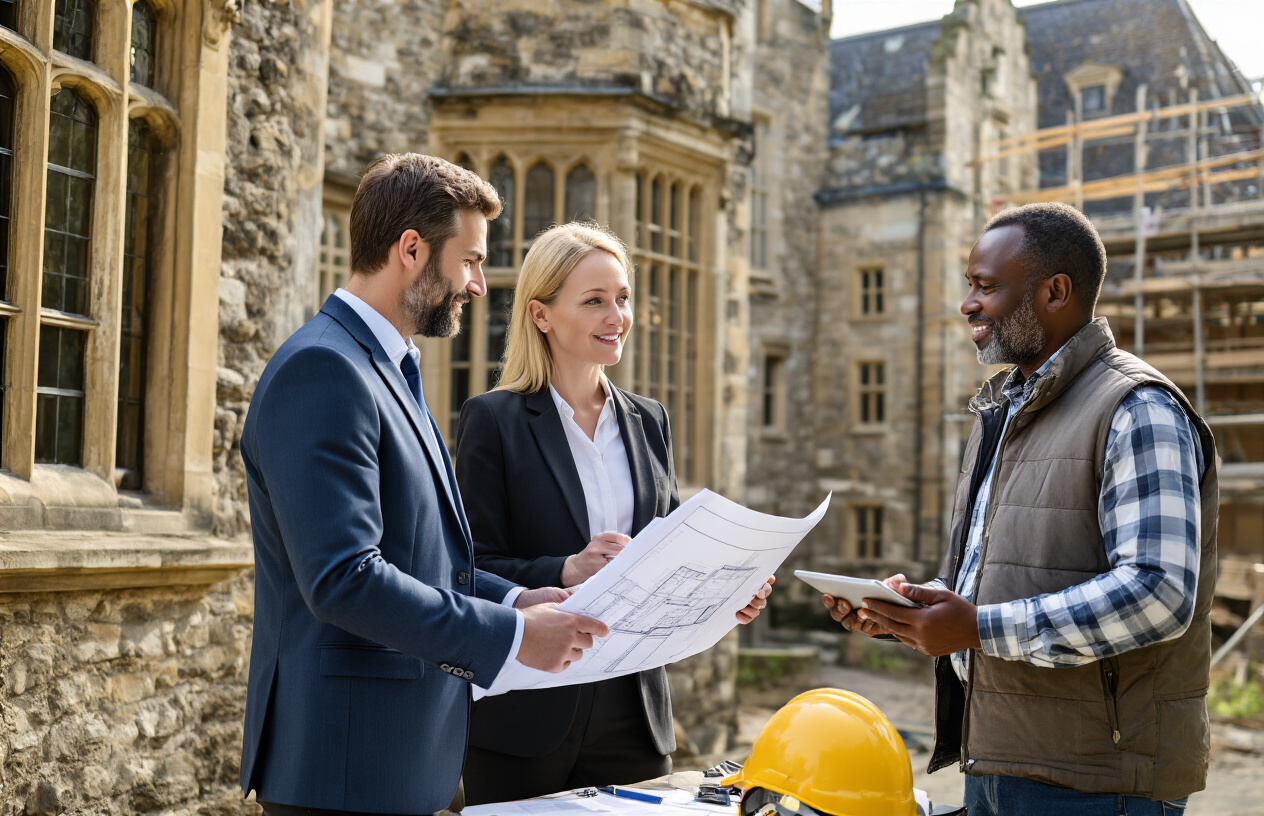
Selecting Conservation Architects with Listed Building Experience
When embarking on a listed building renovation project, we must prioritize finding RIBA accredited conservation architects who specialize in heritage properties. These professionals understand the complex planning restrictions and heritage regulations that govern listed buildings. We need architects who can work closely with planning authorities to achieve the right balance between preserving historic character and meeting modern requirements. Conservation architects are trained to preserve and adapt historic properties with sensitivity, ensuring any intervention respects the building’s character while making it fit for contemporary use.
Finding Specialist Contractors and Traditional Craftsmen
Successful listed building renovation requires specialist contractors who understand traditional building techniques and materials. We must seek out craftsmen experienced in working with historic properties, as they possess the specialized skills needed to handle centuries-old structures. These professionals understand how to work within the constraints of listed building consent while delivering quality results that complement the historic fabric of our property.
Working with Heritage Consultants and Conservation Advisors
Heritage consultants and conservation advisors play a crucial role in navigating the complexities of listed building renovation. We benefit from their expertise in understanding what’s possible within heritage regulations and avoiding costly pitfalls. These specialists can help us define and distil what we can achieve with our property, providing tailored solutions that respect regulations while unlocking the full potential of our historic building.
Ensuring Your Team Understands Historic Building Requirements
We must ensure our entire project team comprehends the unique requirements of working with listed buildings. This includes understanding conservation area constraints, listed building consent procedures, and the importance of preserving original features. Our team should demonstrate experience in handling high levels of complexity associated with heritage properties, ensuring they can deliver projects that enhance and preserve our listed building while integrating contemporary elements where appropriate.
Using Appropriate Materials and Traditional Techniques
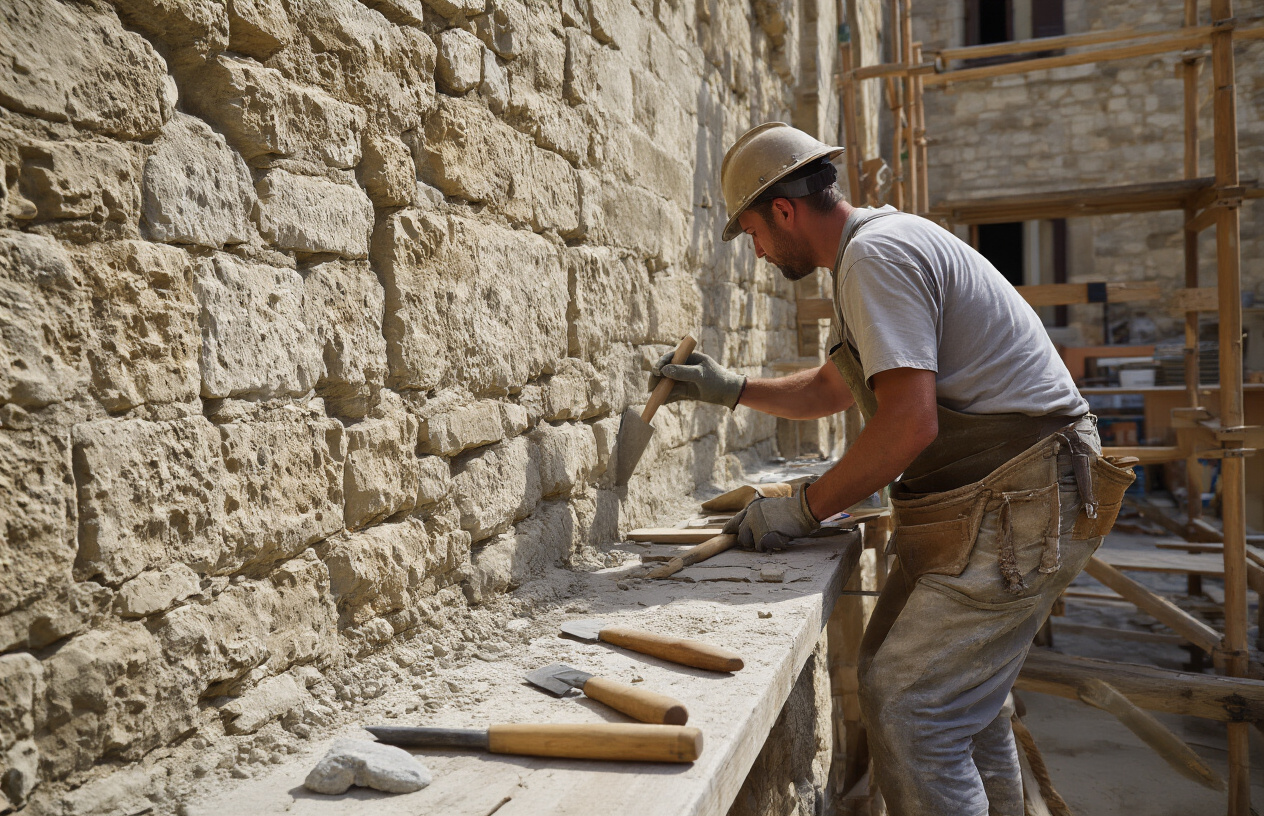
Understanding Why Modern Materials Can Damage Historic Buildings
We must recognize that modern cement-based materials fundamentally differ from traditional building materials in how they interact with historic structures. Unlike lime-based materials, cement cannot absorb and release moisture effectively, which prevents buildings from breathing naturally. This incompatibility creates serious problems in period properties that were constructed before contemporary damp-proofing methods became standard. When we use cement instead of lime, we trap moisture within the structure, leading to dampness and potential structural damage that compromises the integrity of these historic buildings.
Selecting Compatible Materials for Restoration Work
We need to carefully match replacement materials to existing ones, particularly focusing on composition and physical properties. When conducting listed building renovation, we must ensure that new materials have similar coefficients of thermal expansion, vapor permeability, and dimensional stability to prevent differential movement and cracking. Our material selection should consider the porosity and breathability characteristics that allow the building envelope to function as originally designed. Compatibility extends beyond appearance to include chemical composition, as incompatible materials can cause galvanic action in metal components or poor adhesion between different material types.
Preventing Moisture Problems and Structural Damage
We achieve moisture management in historic buildings through proper material selection and breathable assemblies. Traditional buildings rely on their ability to absorb moisture during wet periods and release it during dry conditions, maintaining equilibrium within the structure. Our renovation approach must preserve this natural moisture regulation system by avoiding materials that create vapor barriers or trap water within wall assemblies. We should also address any underlying structural issues, water intrusion problems, or failed anchorage systems that may be contributing to material deterioration before implementing replacement strategies.
Working with Traditional Materials Like Lime and Mortar
We utilize different types of lime depending on the specific application and exposure conditions in our listed building renovation projects. Hydraulic lime sets through a hydraulic reaction, making it our preferred choice for exterior applications like mortar for brickwork or stone walls where moisture exposure is expected. For interior applications, we use non-hydraulic lime (air lime) which sets through slow carbonation, making it ideal for plasterwork and decorative finishes. Lime putty, created by slaking quicklime, provides us with a flexible material suitable for repointing, plastering, and creating lime washes that maintain the authentic character while ensuring structural compatibility.
Common Renovation Projects and What’s Possible
Repainting and Changing Colors on Listed Buildings
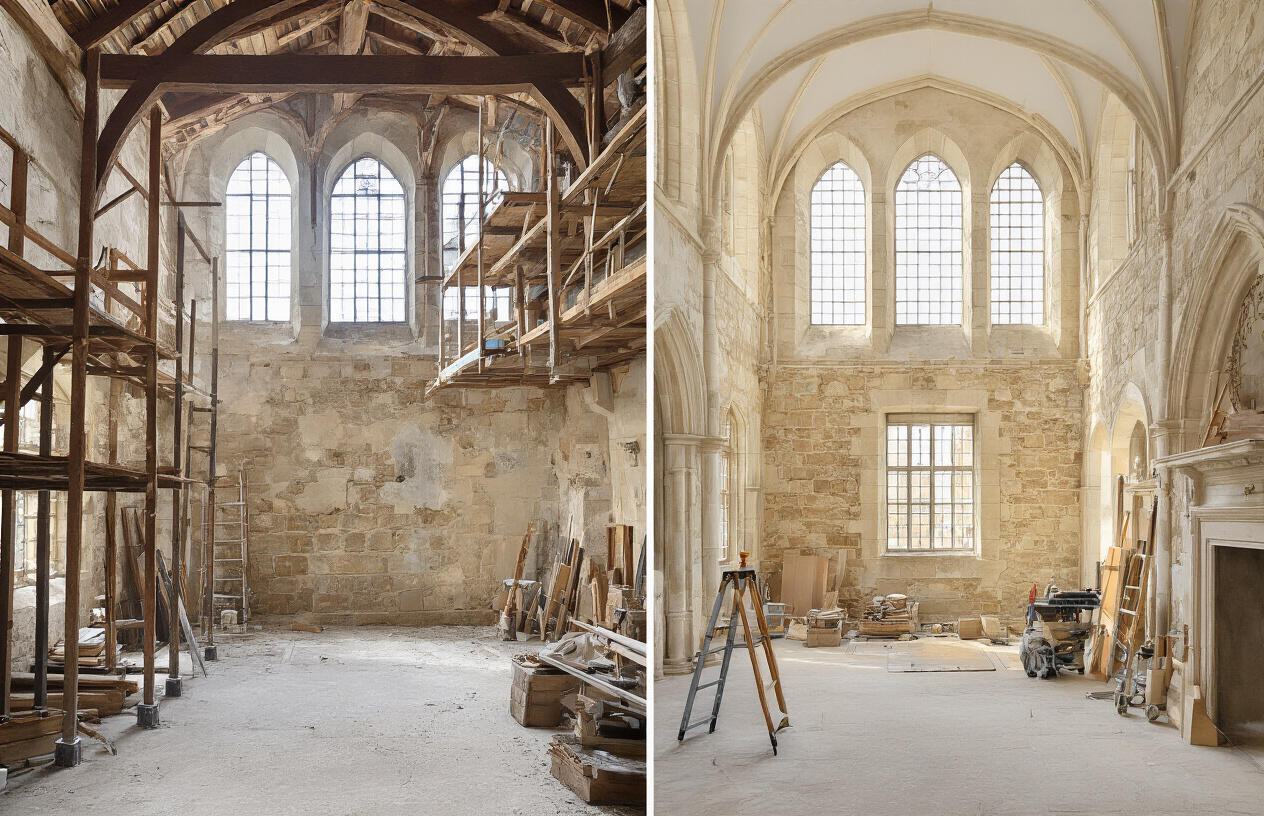
When considering repainting listed buildings, we must understand that historically accurate paint colors and finishes play a crucial role in preservation requirements. Modern paint colors and finishes may not match the original era when the building was constructed, necessitating careful research and approval processes. We often find that these situations are handled case-by-case, depending on our historic reviewer and their specific expectations for maintaining the building’s heritage and authenticity.
Repairing vs Replacing Historic Windows and Doors
We approach historic windows and doors with careful consideration between repair and replacement options. When restoring facades, we prioritize the reuse or replication of existing historical windows to maintain architectural authenticity. We can occasionally install energy-efficient windows that adhere to historic requirements without altering the building’s exterior appearance. Our experience shows that historically accurate window and door units must be installed in line with original construction methods to preserve the building’s integrity.
Installing New Kitchens and Bathrooms in Period Properties
We recognize that interior remodeling represents a significant aspect of modernizing historic structures for contemporary use. When installing new commercial kitchens, bathrooms, and modern amenities, we ensure these additions integrate seamlessly with preserved original building elements. Our approach involves incorporating code-compliant facilities while respecting the building’s historical character. We optimize space utilization while accommodating essential modern systems within the existing architectural framework.
Upgrading Electrical, Heating and Plumbing Systems
We integrate modern technology infrastructure with emphasis on concealment within the historical framework. Our approach includes installing new HVAC systems, updating electrical wiring for high-speed internet, and implementing security systems while maintaining the building’s original appearance. We ensure these mechanical and electrical system upgrades comply with current building codes while preserving the structure’s historic integrity through careful planning and expert installation techniques.
Major Structural Changes and Conversions
Converting Lofts While Preserving Historic Roof Timbers
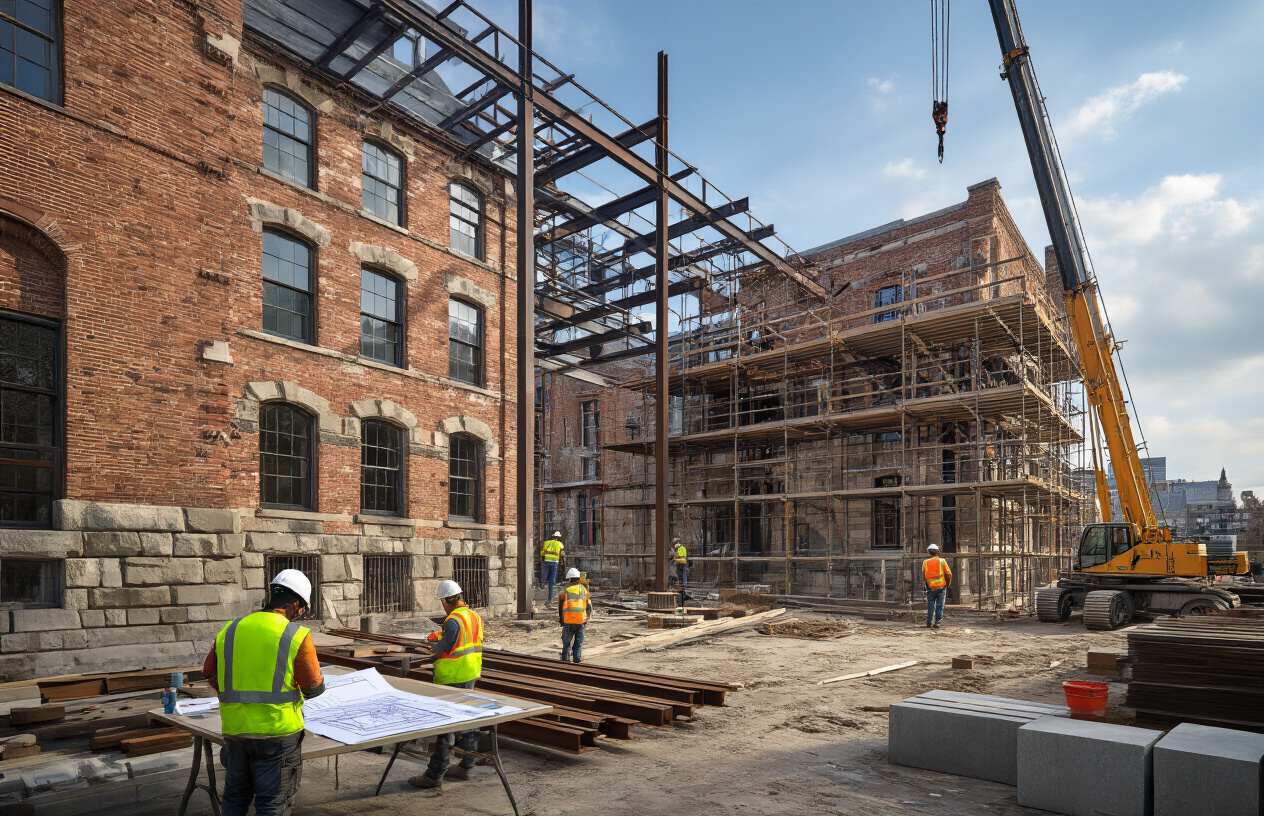
When we approach loft conversions in listed buildings, we must carefully balance modern living needs with historic preservation. The structural significance of original timber framing requires professional evaluation before any modifications. We typically recommend working around existing roof timbers rather than removing them, as these elements often contribute to the building’s special architectural interest and require listed building consent for alteration.
Changing Internal Layouts and Room Functions
We can alter internal layouts of listed buildings, but this comes with specific limitations that depend on the building’s significance. When removing walls to create open plan living spaces, we need to justify the removal and demonstrate that the historic footprint is retained. Non-structural walls aren’t automatically removable – even these can change the historic layout and erode character, particularly walls featuring original timber panelling or decorative elements. We usually recommend removing only a portion of a single wall, typically about double-door width maximum, to minimize structural problems and disruption to existing room decorations.
Modifying or Replacing Fireplaces Sensitively
We approach fireplace modifications with particular sensitivity, as these features often represent significant architectural and historic interest. Any alterations to original fireplaces require careful consideration of their contribution to the building’s character. We must ensure that modifications don’t compromise the special interest that led to the building’s listing, whether that involves restoration, sensitive updates for modern use, or necessary safety improvements.
Balancing Modern Needs with Historic Preservation
We achieve the correct balance between protecting special interest and accommodating modern proposals through careful case-by-case analysis. The extent to which we can sustain alterations depends on building type, significance, and the merit of new work. We must resist the cumulative harm of successive small schemes that can nibble away at special interest. Our approach involves thorough site inspections, heritage statements, and significance analysis to justify modifications to local planning authorities while ensuring compliance with national legislation and Historic England guidance.
Protecting Your Investment with Specialist Insurance

Securing Comprehensive Listed Building Insurance Coverage
When undertaking listed building renovation projects, we must recognise that standard home insurance policies often fall short of covering the unique requirements these heritage properties demand. We need specialist listed building insurance that understands the legal obligation to reinstate using traditional materials and methods matching the original construction, irrespective of cost. General insurance providers typically only offer minimal rebuild coverage, leaving us to finance significant shortfalls when disaster strikes.
Notifying Insurers Before Starting Renovation Work
Before we begin any renovation work on our listed property, we must inform our insurance provider about the planned alterations. Our specialist insurers offer comprehensive cover for listed properties undergoing renovation, repair, or conversion, ensuring we’re protected throughout the construction phase. This proactive communication prevents potential coverage gaps and ensures our policy remains valid during the renovation period.
Understanding Coverage During and After Renovation
During renovation, we benefit from tailored coverage that accounts for the extended restoration periods listed buildings require compared to modern properties. Our specialist policies provide up to three years’ alternative accommodation if our property becomes uninhabitable, recognising that listed building restoration takes considerably longer. After completion, we maintain protection for the use of skilled tradespeople and traditional materials that meet our Conservation Officer’s expectations.
Managing Risks with Proper Contractor Liability Insurance
We must ensure our chosen contractors carry appropriate liability insurance when working on listed buildings. Our specialist policies allow us to choose our own skilled tradesmen for repair work, helping maintain our property’s unique character and features. This flexibility ensures we can select craftspeople experienced in traditional building techniques while maintaining proper insurance coverage throughout the renovation process.
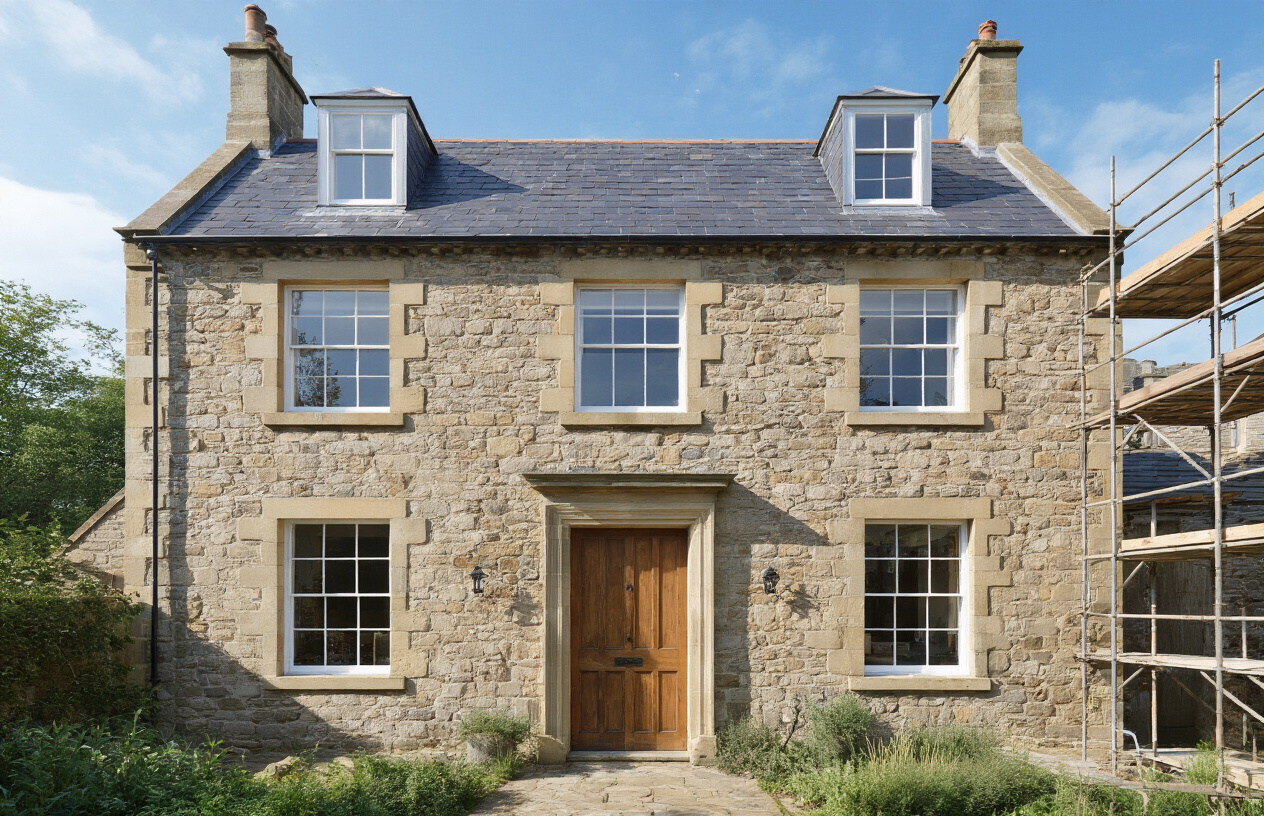
Listed building renovation requires careful planning, expert guidance, and a deep respect for historical significance. Throughout this journey, we must navigate complex legal requirements, secure proper permissions, and work with specialists who understand traditional building techniques. The investment in appropriate materials and experienced professionals will protect both our property’s heritage value and our financial investment.
Success lies in balancing preservation with practical modern living needs. With proper listed building insurance, the right team of conservation experts, and a thorough understanding of what’s possible within planning constraints, we can sensitively adapt these important buildings for contemporary use. Our heritage properties deserve nothing less than thoughtful stewardship that honors their past while securing their future for generations to come.