

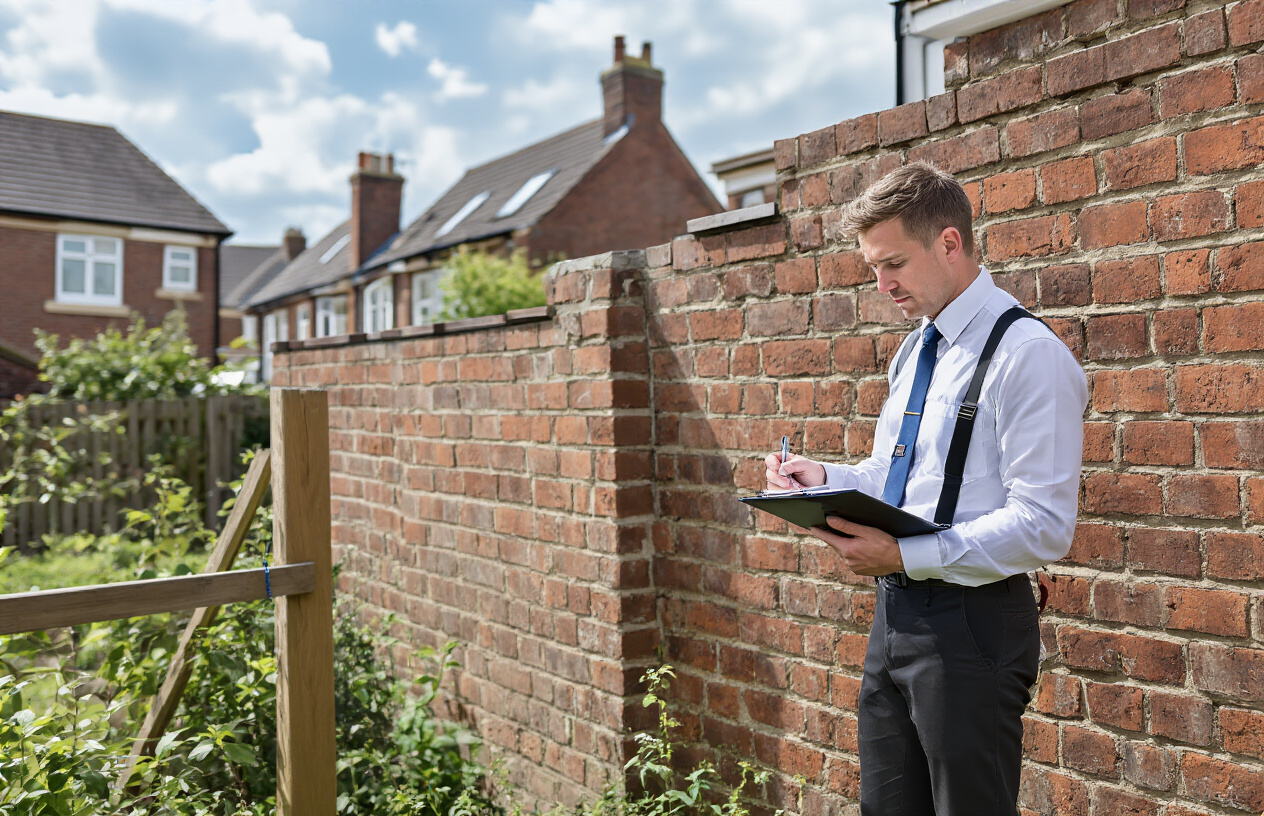
A party wall schedule of condition is a detailed report that documents your neighbor’s property before construction begins, protecting you from unfair damage claims after work is complete. This documentation serves property owners, developers, and anyone planning construction work near shared walls or boundaries who want to avoid costly disputes and legal complications.
We’ll walk you through the essential requirements for creating comprehensive property documentation that stands up in disputes. You’ll discover proven methods for recording both written and photographic evidence that captures every relevant detail before construction starts. We’ll also cover the financial benefits of investing in professional documentation upfront versus paying for expensive dispute resolution later, plus practical guidance on implementing the process and resolving any issues that arise.
Understanding Party Wall Schedule of Condition Requirements
Legal framework under the Party Wall Act 1996
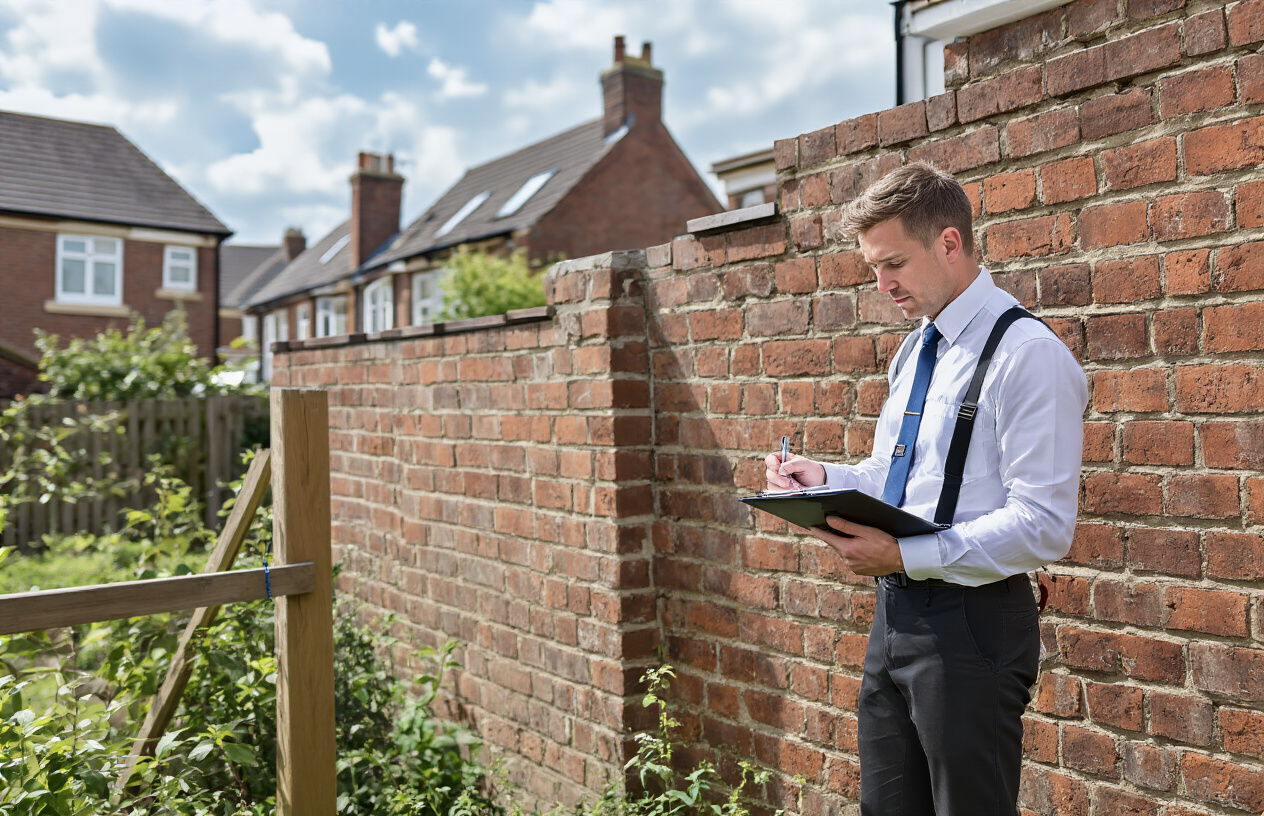
Under the Party Wall Act 1996, we find that a schedule of condition is not strictly required by the legislation itself. However, party wall surveyors are tasked with resolving disputes over work, particularly damage claims, making condition recording highly practical. The Act establishes that building owners must notify adjoining owners of proposed works and can be required to undertake protective measures. While the Act doesn’t mandate schedule creation, it empowers surveyors to specify safeguarding measures through awards, making condition documentation an essential protective tool.
When schedule of condition becomes essential for protection
We’ve observed that schedule of condition becomes crucial when carrying out work that could detrimentally affect adjoining properties. From our experience handling numerous cases, adjoining owners frequently report damage they believe resulted from neighboring works, only to discover the damage pre-existed. Without proper documentation, we must rely on professional judgment to determine if damage is new or existing. Taking 150-300 photographs during condition recording protects building owners against pre-existing damage claims and prevents costly surveyor disputes later.
Difference between voluntary and mandatory recording scenarios
We recognize two distinct scenarios for condition recording implementation. When adjoining owners consent to initial notices and no award is made, condition recording remains voluntary but represents good practice. In these cases, building owners must agree to pay inspection costs. Conversely, when consent is withheld and awards become necessary, condition recording forms part of the award process with costs included in overall expenses. We always advise conducting condition records regardless of consent status to protect against damage claims and avoid expensive surveyor involvement.
Comprehensive Documentation Methods for Property Protection
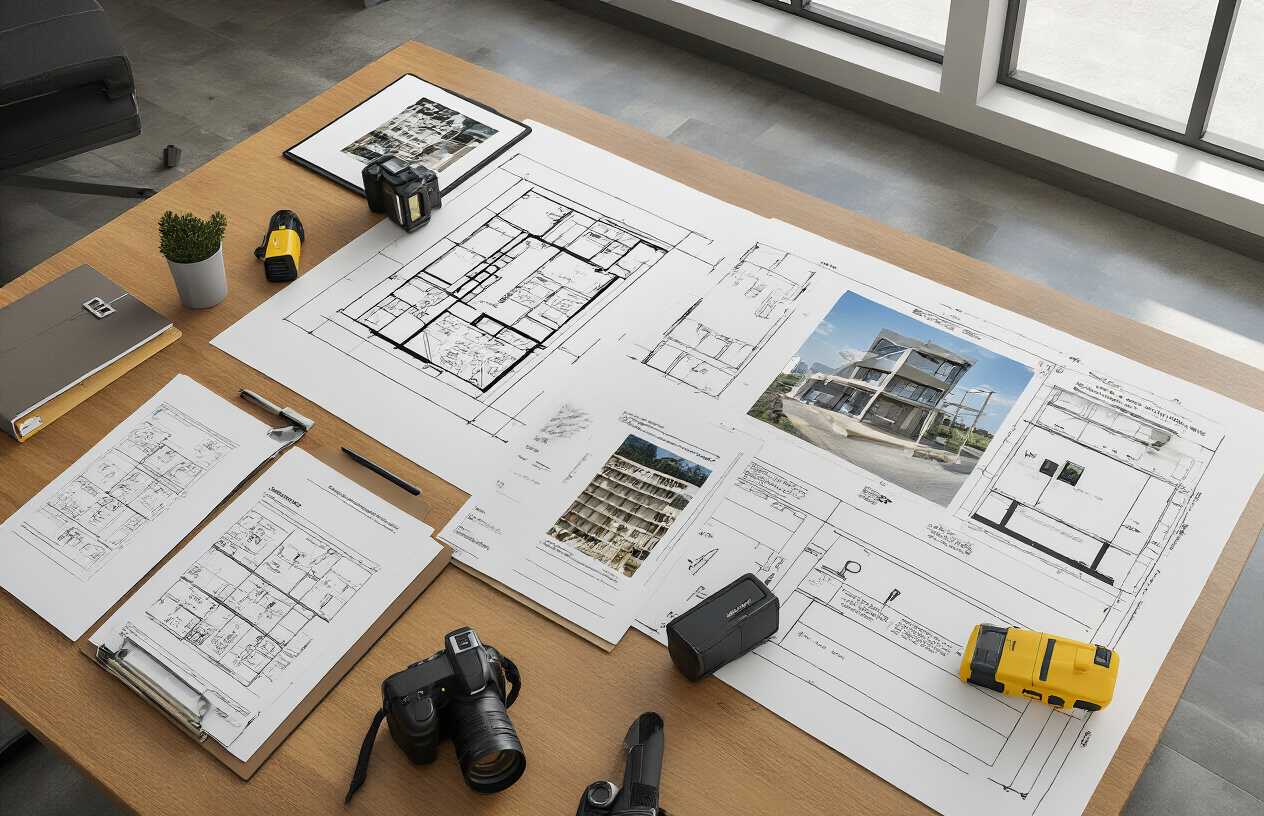
Professional photographic evidence collection (150-300 images standard)
When we prepare a party wall schedule of condition, we must follow systematic photographic documentation methods that capture complete visual evidence. We begin with wide overview shots to establish context, then move closer to document specific details of existing property conditions. Each photo should include scale references using coins, rulers, or hands to demonstrate accurate sizing of any defects or features. We utilize multiple angles to eliminate doubt about the true extent of any damage or wear, ensuring our documentation tells a complete story that protects all parties involved in the party wall agreement.
Written records of existing property conditions
We complement our photographic evidence with detailed written documentation that describes each identified condition using clear, objective language. Our written records include specific descriptions such as “water stain on ceiling from plumbing leak” or “cracked window visible on north wall,” paired directly with corresponding photographs. We maintain consistent terminology throughout our documentation and organize our findings by location, moving systematically from exterior to interior spaces. These written records serve as crucial supporting evidence that strengthens our photographic documentation when disputes arise.
Digital storage and accessibility for all parties involved
We organize our digital documentation using clear file naming conventions that follow a structured hierarchy, such as “Property > Interior > Kitchen” for easy navigation and retrieval. Our files include voice-to-text captions that provide immediate context for each image, enabling quick reference during future consultations or dispute resolution processes. We ensure all parties have access to the complete digital record, maintaining backup copies to prevent loss of this critical evidence. This systematic approach to digital storage transforms our documentation into a clear, persuasive story that protects everyone’s interests throughout the party wall process.
Financial Benefits and Cost Protection Strategies

Prevention of false damage claims and disputes
A party wall schedule of condition serves as our primary defense against unfounded damage claims by providing unbiased, dated evidence of a property’s condition before construction begins. We can prevent lengthy and expensive disputes by establishing accurate property condition records with detailed photographs and documentation. When cracks or damage occur during construction, our schedule helps determine if it’s genuinely related to the building project, protecting both parties from false accusations and costly legal battles over unrelated pre-existing conditions.
Avoiding expensive surveyor visits and determinations
We significantly reduce ongoing surveyor costs by implementing comprehensive schedule of condition documentation upfront. Without proper condition records, disputes over damage can result in multiple expensive surveyor visits and determinations throughout the construction process. Our thorough initial documentation eliminates the need for repeated professional assessments, as we already have established baseline evidence. This proactive approach prevents the escalation of minor concerns into formal disputes requiring additional surveyor interventions and costly legal determinations.
Building owner payment responsibilities in different scenarios
We must understand that as building owners, we’re typically responsible for paying both our own and our neighbor’s surveyor fees under party wall agreements. Our financial obligations include covering the costs of preparing the schedule of condition, regardless of whether disputes arise. In most cases, we bear the expense of documentation and any subsequent surveyor visits required to resolve damage claims. However, having a comprehensive schedule of condition in place helps us avoid unexpected costs from false damage claims and reduces our overall financial exposure throughout the construction project.
Professional Schedule of Condition Report Options
Written and Photographic Comprehensive Reports
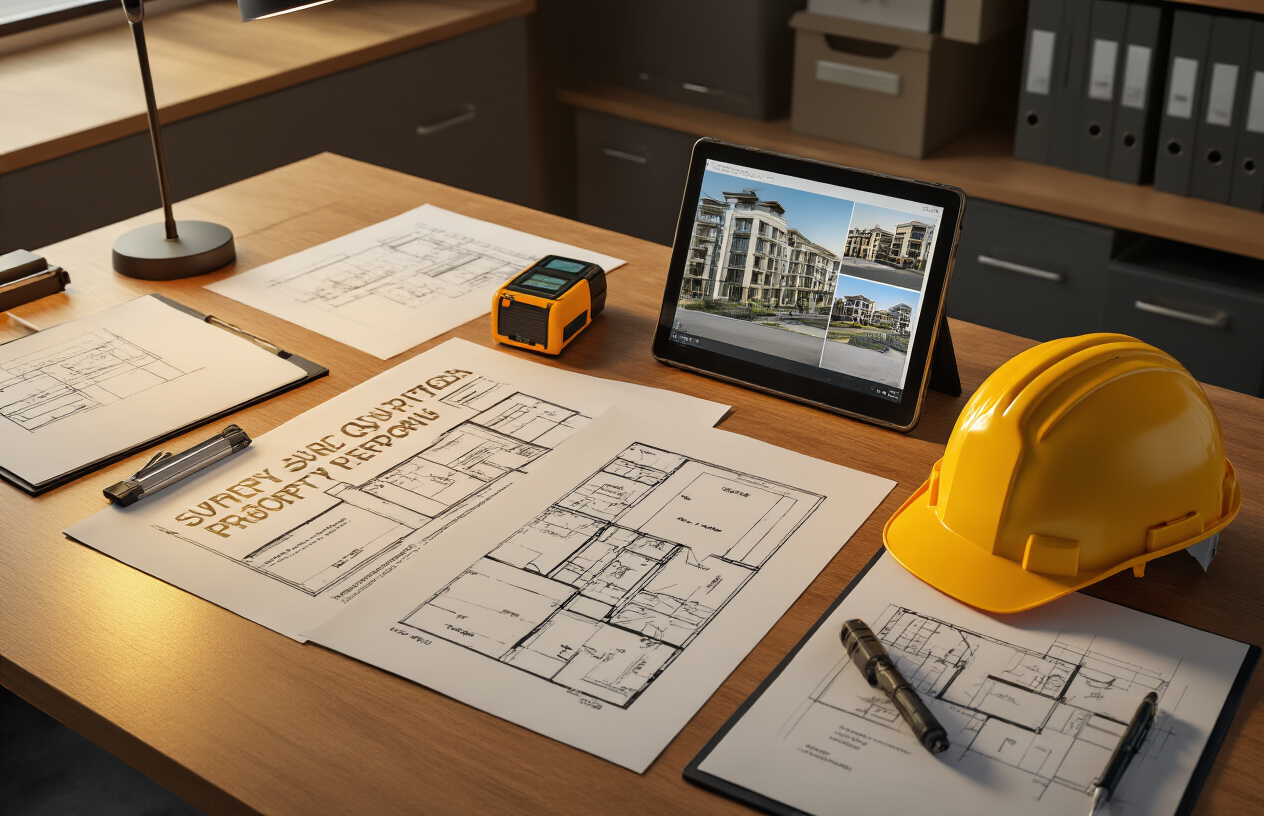
Our written and photographic schedule of condition report represents the most comprehensive pre-construction works inspection available. This detailed documentation includes both full written records of property areas in close proximity to planned works and extensive photographic evidence. We typically capture between 150-300 photographs during each inspection, creating a thorough visual record that can be referenced in the event of disputes or damage claims.
Photographic-Only Condition Documentation
For properties requiring streamlined documentation, we offer photographic-only schedule of condition reports. This option provides comprehensive photographic records of property areas within close proximity to construction works, with images forming an integral part of our surveyor’s report. These photographs are systematically organized and stored in accessible digital formats for future reference during any party wall disputes.
Fact-Based Recording Versus Remedial Recommendations
Our schedule of condition reports focus exclusively on recording factual observations rather than providing remedial recommendations. We document the existing condition of properties as a detailed snapshot at a specific point in time, avoiding any surveying advice or suggested repairs. This fact-based approach ensures our reports serve as objective evidence that can be reliably referenced when determining whether alleged damage was pre-existing or resulted from construction works under the Party Wall Act.
Practical Implementation and Dispute Resolution Process

Pre-construction inspection timing and coordination
When implementing our schedule of condition process, we must coordinate pre-construction inspections meticulously with project timelines. Our surveyors prepare detailed schedules of condition before work begins, documenting existing defects through comprehensive room-by-room inspections and photographs. We ensure proper dating and authentication methods are followed, creating an objective baseline that protects both building owners and adjoining owners throughout the construction phase.
Cross-referencing alleged damage with existing records
We utilize our comprehensive schedule of condition documentation to assess damage claims systematically. When disputes arise about potential damage, we cross-reference the current property condition against our detailed pre-construction records, including photographs and documented existing defects. This evidence-based approach allows us to determine whether claimed damage existed before construction began or resulted from the party wall work, ensuring fair resolution.
Evidence-based dispute mediation and resolution procedures
Our dispute resolution process relies heavily on documented evidence from the schedule of condition. We use these detailed records during mediation to provide objective reference points for damage claims. When surveyors cannot agree, we present photographic evidence and documented pre-existing conditions to third surveyors or county court appeals. This methodical approach transforms potential conflicts into manageable processes, allowing us to resolve disputes based on factual evidence rather than subjective claims.

A party wall schedule of condition serves as essential protection for both building and adjoining owners throughout the construction process. By documenting comprehensive photographic evidence and written records before work begins, we create an invaluable reference point that can prevent costly disputes and protect against false damage claims. The investment in professional documentation – whether through written and photographic reports or photographic-only options – far outweighs the potential costs of surveyor visits, legal disputes, and damage assessments that could arise without proper records.
Our experience demonstrates that taking 150-300 photographs and maintaining detailed condition records provides the clarity needed to distinguish between pre-existing damage and new issues caused by construction work. When disputes do arise, having this documentation allows for quick resolution through photographic evidence rather than expensive professional judgment calls. We strongly recommend implementing a schedule of condition for any party wall work, as this proactive approach protects your interests and ensures smoother project completion while maintaining positive neighbor relations.