

Converting a house into flats requires navigating complex flat conversion planning permission requirements that many property owners find overwhelming. This guide is for homeowners, property developers, and landlords who want to understand the legal framework before starting their conversion project.
We’ll walk you through the essential application documentation you need to prepare, from building plans to tenant information requirements. You’ll also learn about building standards and compliance requirements that your property must meet, including safety regulations, parking provisions, and structural modifications. Finally, we’ll cover tenant rights and protection measures that safeguard existing residents during the conversion process, including notification requirements and relocation assistance obligations.
Getting flat conversion planning permission involves multiple steps, strict timelines, and significant financial commitments. Understanding these requirements upfront can save you months of delays and unexpected costs while ensuring your project meets all legal obligations.
Understanding Flat Conversion Planning Permission Requirements
Definition and scope of residential conversion projects
Residential conversion projects involve subdividing a single dwelling into two or more self-contained units, with each flat typically having its own kitchen, bathroom, and living area. We classify these conversions as a “material change of use” under planning regulations, requiring comprehensive consideration of space standards, structural modifications, and utility separation to create independent living units within existing residential buildings.
When planning permission is required for flat conversions
We generally require full planning permission from local planning authorities for converting houses into multiple flats, as this constitutes a material change of use under the Town and Country Planning Act 1990. Unlike some commercial-to-residential conversions, Permitted Development Rights do not apply to the conversion of single dwellings into flats, making formal planning approval essential before proceeding with any conversion project.
Difference between residential and residential-to-commercial conversions
We distinguish residential conversions from residential-to-commercial conversions primarily through their end use and regulatory pathways. While some commercial-to-residential conversions may proceed under Permitted Development Rights, our residential-to-residential conversions (house to flats) require full planning permission and face additional scrutiny regarding family housing retention policies, space standards, and local housing mix considerations that don’t typically apply to commercial conversion projects.
Legal framework and applicable regulations
We operate within a comprehensive legal framework encompassing the Town and Country Planning Act 1990 for planning permission requirements, National Described Space Standards (NDSS) for minimum internal space requirements, and building regulations for structural and safety compliance. Additionally, we must consider Article 4 Directions that may remove permitted development rights in specific areas, local development plans with family housing protection policies, and HMO licensing requirements if conversions result in shared accommodation arrangements.
Essential Application Documentation and Requirements

Building plans and structural information requirements
When we prepare our Flat Conversion Planning Permission application, we must provide comprehensive architectural drawings that document the existing building structure. Our architect needs to field-verify measurements of each unit and create detailed plans showing the size, shape, and layout of interior spaces and limited common elements. These architectural plan drawings serve as essential supporting documentation for our conversion declarations.
Tenant information and notification obligations
We are required to compile and submit detailed tenant information as part of our conversion documentation. This includes current occupancy details and formal notification procedures that must be followed when converting existing apartment units. Our legal team coordinates these tenant-related requirements to ensure compliance with protection measures during the conversion process.
Sales information and pricing details
Our conversion documentation must include comprehensive sales information and pricing structures for the proposed condominium units. We need to establish clear pricing details for each converted unit, which becomes part of the official record submitted to the county recorder along with our other conversion documents.
Floor plans and elevation requirements
We must provide detailed floor plans and elevation drawings as mandatory components of our conversion application. These technical drawings complement our architectural plans by showing exterior dimensions of buildings and boundary information. Our surveyor typically provides supporting documentation including boundary surveys and survey plats that illustrate the property boundaries and limited common elements as described in our declarations.
Building Standards and Compliance Requirements
Safety and Fire Prevention Standards
Now that we’ve covered the application requirements, fire safety represents a critical compliance area in flat conversion planning permission. We must ensure proper compartmentation between units, adequate escape routes, and fire-resistant construction materials throughout the conversion. For properties creating a third storey through conversion, enhanced fire safety measures including sprinkler systems may be required under current building regulations.
Sound Insulation and Acoustic Requirements
With fire safety addressed, sound insulation becomes equally important for successful flat conversions. We need to implement proper acoustic barriers between converted units to meet building regulations standards. This includes floor and wall insulation that prevents noise transmission between flats, ensuring comfortable living conditions for all residents while complying with statutory requirements.
Utility Metering and Electrical Panel Access
Previously addressing acoustic requirements, we must now consider utility infrastructure for each converted unit. Individual metering systems for gas, electricity, and water are typically required, along with accessible electrical panels for each flat. These utility provisions ensure proper service delivery and billing separation between units, meeting both building standards and practical management needs.
Structural and Building Code Compliance
With utility requirements established, structural integrity forms the foundation of any successful flat conversion. We must conduct thorough structural surveys to identify load-bearing capacity and any limitations affecting the conversion process. Our structural assessments work with qualified engineers to develop appropriate solutions, ensuring the building safely accommodates layout changes while adhering to all relevant building regulations and safety standards.
Parking and Storage Standards for Conversions
Minimum parking space requirements per unit type
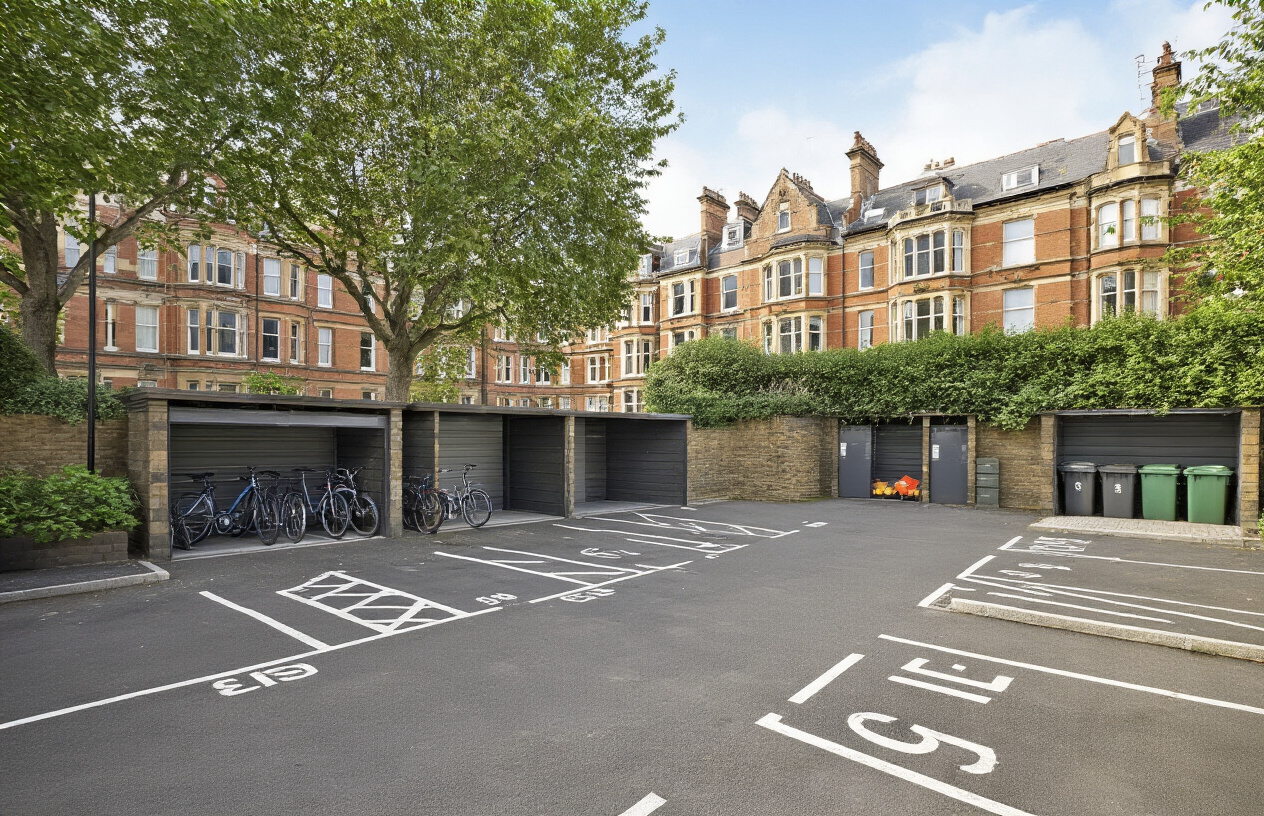
When we plan flat conversions, we must ensure standard parking spaces measure a minimum of nine feet in width by twenty feet in length on paved surfaces, or ten feet wide by twenty feet long on gravel surfaces. We can reduce the minimum length to eighteen feet when providing an additional two-foot space for vehicle front overhang.
Guest parking allocation requirements
Our guest parking provisions must maintain adequate vehicular circulation with minimum one-way drive aisles of twelve feet and two-way drive aisles of twenty-four feet. We need to consider that parking lots serving high turnover users should utilize ten-foot wide stalls to accommodate frequent visitor access.
Private storage space provisions
We must ensure that any converted parking areas remove existing space striping and wheel stops completely. Our storage facility designs should differentiate between parking and storage areas using grade differentials of at least six inches or permanent architectural barriers that maintain consistency with the site design.
Design standards for parking facilities
We implement accessibility standards requiring parking spaces to be minimum ninety-six inches wide with access aisles of at least sixty inches. Our parking surfaces must maintain maximum slopes of 2.08% in all directions, utilizing firm, stable, and slip-resistant materials with accessibility signage mounted at least sixty inches above ground level.
Physical Improvement and Refurbishment Requirements
Building Condition Assessment and Reporting
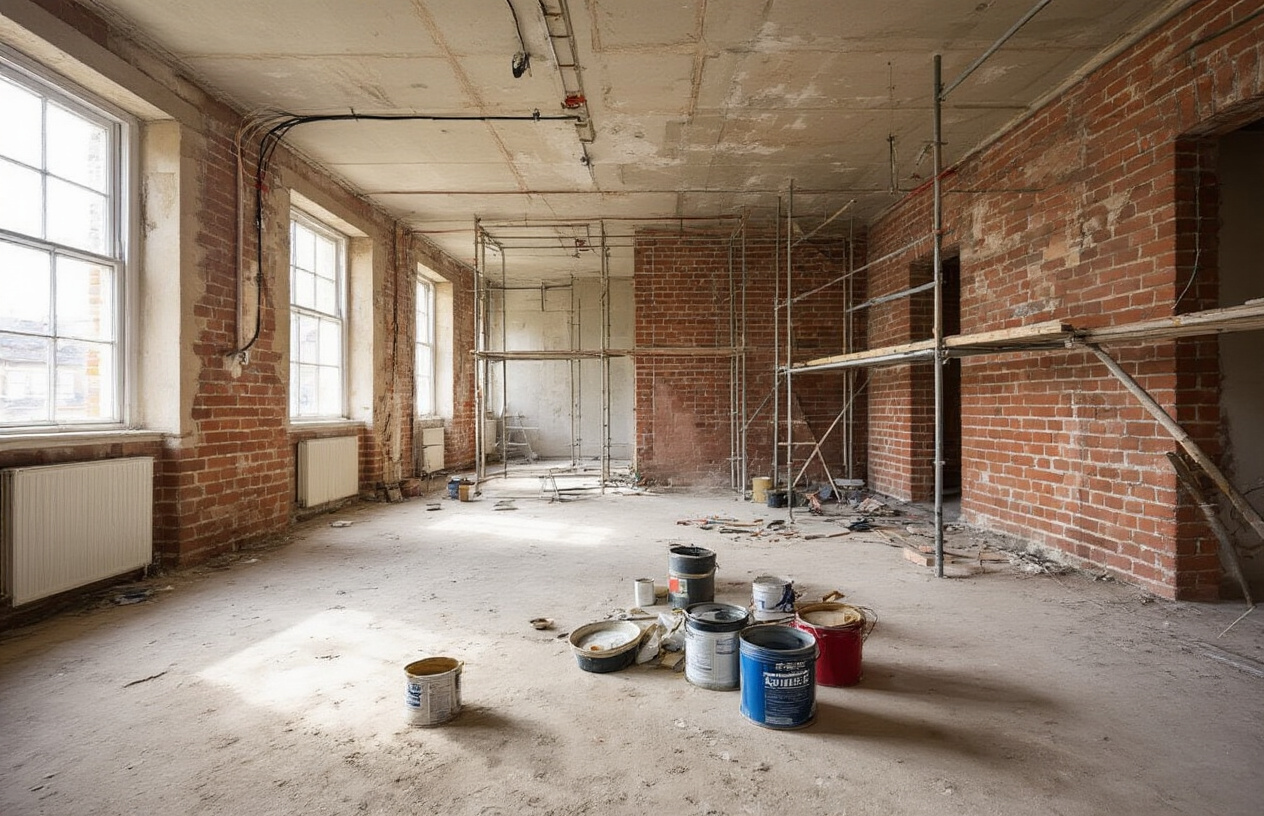
When converting a house into flats, we must conduct thorough assessments of the building’s current condition. Our evaluation identifies potential structural issues early, preventing costly repairs during construction. We examine existing walls, floors, and foundations to determine their capacity to support new loads from the conversion work.
Mandatory Upgrades and Safety Improvements
Our Flat Conversion Planning Permission projects require compliance with building regulations covering structural integrity, fire safety, insulation, ventilation, and accessibility standards. We ensure all electrical systems meet current codes, replacing outdated cloth wiring common in older properties. Plumbing systems must also be upgraded to handle the increased demand from multiple residential units.
Aesthetic and Quality Standards
We focus on maximizing available space while maintaining functionality and appeal throughout the conversion process. Our designs optimize room layouts for natural light and efficient storage solutions. We ensure the finished flats meet market expectations while adhering to local planning regulations and building codes that govern residential conversions.
Common Area and Facility Maintenance Provisions
Our conversion planning addresses shared spaces and facilities that serve multiple units. We establish maintenance protocols for common areas, ensuring long-term sustainability of the converted property. These provisions help protect our investment while meeting tenant expectations for quality shared amenities and building upkeep standards.
Financial Obligations and Fee Structure

Rental Housing Production Fees and Calculations
When converting properties to flats, we encounter various financial obligations that significantly impact our project costs. Transfer taxes typically amount to $1 per $1,000 of property value, while real estate commissions can reach 6% of the sale price. We must budget for closing fees, legal expenses, and title insurance premiums as allowable exchange expenses. Environmental studies, appraiser fees, and recording costs add to our financial responsibilities. These transactional items appear on standard closing statements and directly affect our capital gains calculations when disposing of or acquiring properties.
Moving Expense Compensation Requirements
Previously discussed costs extend to tenant relocation expenses during flat conversions. We’re responsible for covering legitimate moving costs when displacing existing tenants. Security deposits and prepaid rents require careful handling as they’re treated like grantor trusts rather than standard liabilities. Tenant buy-out costs cannot be paid from exchange proceeds as they’re considered business operating expenses rather than transactional costs. We must handle these compensation requirements separately from our primary conversion financing to avoid triggering taxable boot situations.
Annual Fee Adjustments and Payment Schedules
With conversion projects spanning multiple years, we face ongoing fee adjustments affecting our financial planning. Property tax obligations continue throughout the conversion process, though these aren’t allowable exchange expenses. Association fees, utility charges, and hazard insurance premiums require separate payment handling outside exchange proceeds. We must track depreciation schedules carefully, as rental property conversions trigger depreciation recapture taxes at ordinary income rates. Annual adjustments to our cost basis impact final tax calculations when completing the conversion project.
Housing Development Fund Contributions
Now that we’ve covered basic conversion costs, housing development funds represent additional financial obligations in many jurisdictions. These contributions support affordable housing initiatives and community development programs. We cannot use exchange proceeds to pay housing development fund contributions as they’re considered business expenses rather than transactional costs. Fund requirements vary by location and project scope, requiring separate budgeting from our main conversion financing. These mandatory contributions affect our overall project economics and must be factored into feasibility analyses before beginning Flat Conversion Planning Permission projects.
Approval Process and Decision Criteria
Planning Commission Review Procedures
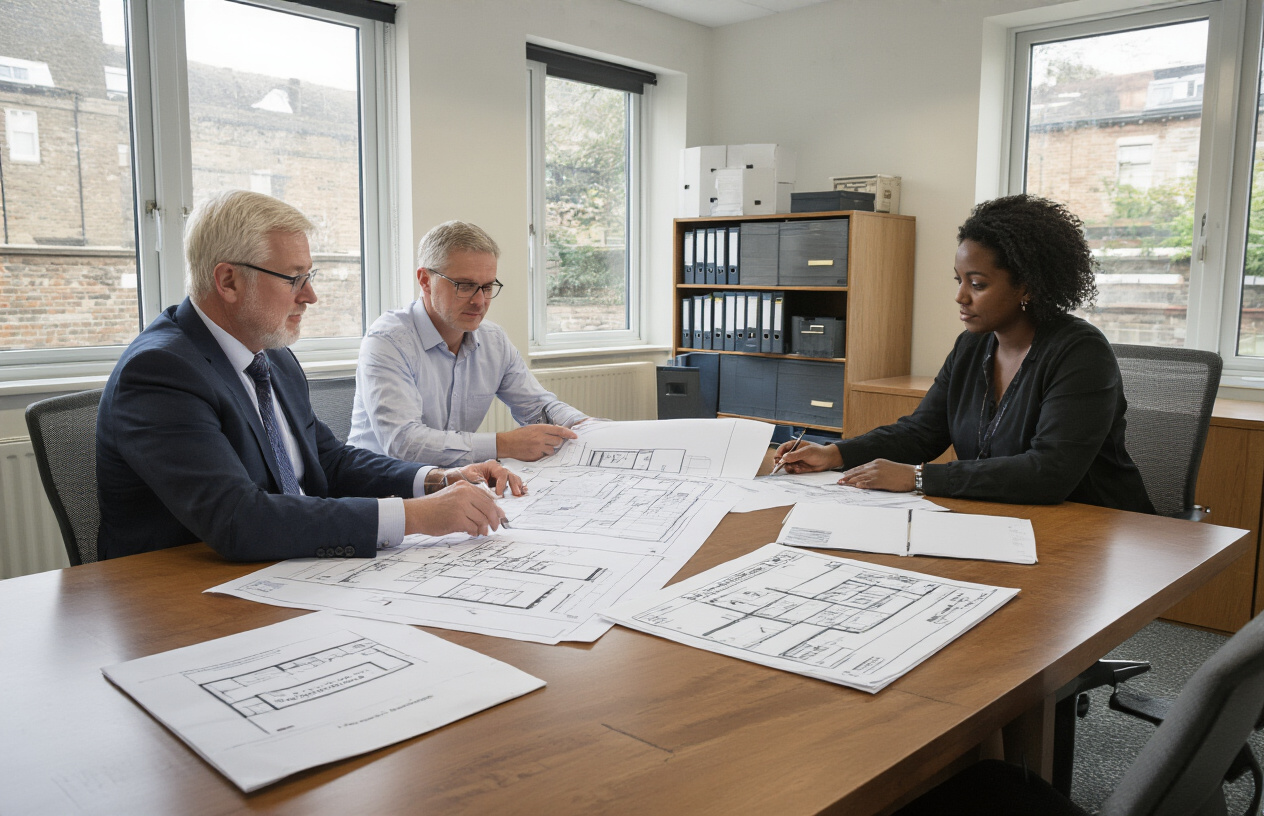
Planning authorities conduct comprehensive reviews of Flat Conversion Planning Permission applications through systematic evaluation processes. We understand that planning officers examine submitted plans against local development policies, assessing alignment with neighborhood character and infrastructure capacity. The review involves consultation with various departments including building control, highways, and environmental services to ensure all regulatory aspects are thoroughly evaluated before making recommendations.
Public Hearing Requirements and Notifications
Local councils are required to notify neighboring properties and relevant stakeholders about Flat Conversion Planning Permission applications through formal notification procedures. We recognize that this process includes posting site notices and sending letters to adjacent property owners, allowing them to submit comments or objections. Public consultation periods typically span several weeks, giving community members adequate opportunity to review proposals and express concerns about potential impacts on local amenities, parking, or building character.
Approval Criteria and Mandatory Findings
Planning authorities evaluate Flat Conversion Planning Permission applications against specific criteria including compliance with local development plans, building regulations, and use class requirements. We know that mandatory findings must demonstrate adequate space allocation, proper fire safety provisions, sound insulation between units, and sufficient parking arrangements. Conversions must preserve the building’s architectural integrity while meeting modern safety standards and accessibility requirements for successful approval.
Appeal Process and Timeline Requirements
When planning applications are refused, applicants can submit appeals to the Planning Inspectorate within specified timeframes, typically six months from the decision date. We understand that the appeal process involves independent review of the original decision, with inspectors examining whether planning policies were correctly applied. Appeal procedures may include written representations, informal hearings, or public inquiries, with decisions typically issued within several months depending on the complexity of the case.
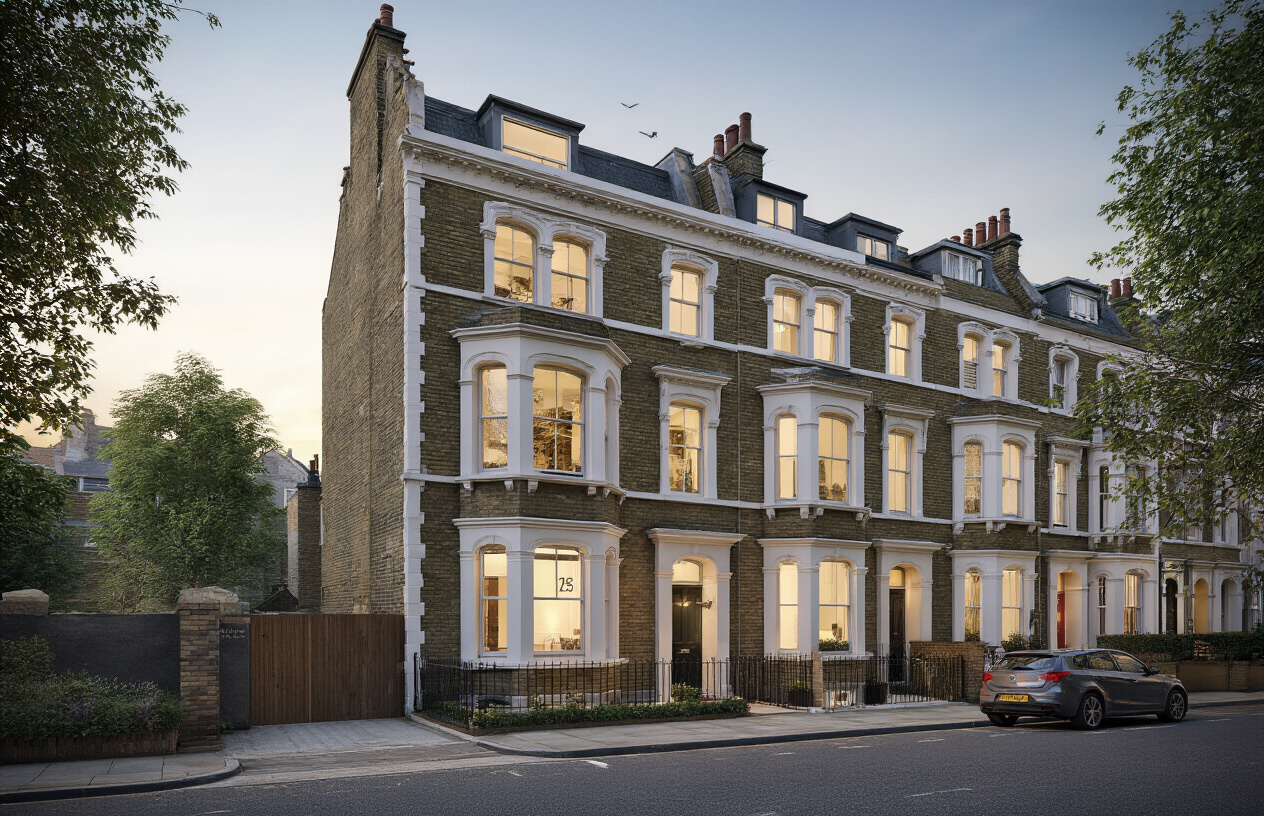
Navigating flat conversion planning permission requires careful attention to numerous regulatory requirements, from building standards compliance and tenant protection measures to parking provisions and financial obligations. We’ve explored the essential documentation needed, including detailed building plans, tenant information, and comprehensive inspection reports that demonstrate structural integrity and safety compliance. The approval process demands thorough preparation, with specific attention to utility metering, sound insulation, fire safety systems, and adequate storage space for each converted unit.
Understanding your obligations as a property owner is crucial for successful conversion approval. We must ensure proper tenant notification procedures are followed, including 60-day advance notice and exclusive purchase rights for existing tenants. The physical improvements required, combined with relocation assistance responsibilities and rental housing production fees, represent significant financial commitments that should be factored into project planning. By addressing these requirements systematically and working with qualified professionals throughout the process, we can achieve compliant conversions that meet both regulatory standards and market demands while protecting tenant rights and community housing stock.