

We know that adding space to our home is one of life’s most exciting projects, but figuring out how much we can actually build can feel overwhelming. That’s where the prior Prior Approval Larger Home Extension scheme comes in – a game-changer that lets us build surprisingly large single-storey rear extensions without needing full planning permission.
This guide is for homeowners who want to maximize their space using this special permitted development right. We’ll walk through understanding the prior approval larger home extension process, exploring exactly how big we can build (up to 8 metres for detached homes!), and navigating the essential compliance conditions that make or break our application.
We’ll also cover the step-by-step application process and what happens when our neighbors get involved – because getting this right from the start can save us months of headaches and thousands in costs.
Understanding prior approval larger home extension

What Prior Approval Mechanism Means for Homeowners
The prior approval mechanism for larger home extensions represents a significant shift in permitted development rights that allows us homeowners to build substantially larger extensions without full planning permission. Under this scheme, we can extend our terraced or semi-detached properties by up to six metres and detached houses by up to eight metres beyond the original rear wall. However, we must obtain prior approval larger home extension from our local council before starting construction. This process requires us to provide basic information about our proposed extension and undergo a neighbour consultation period lasting up to 42 days.
How This Differs from Standard Planning Permission
Unlike standard planning permission applications, prior approval larger home extension focuses specifically on whether our proposed extension meets the predetermined conditions set out in permitted development legislation rather than considering broader planning merits. We need to demonstrate compliance with specific technical requirements including height restrictions, materials matching, and boundary setbacks. The council’s assessment is limited to these prescribed criteria and the impact on neighbouring amenity, making it a more streamlined process than traditional planning applications where councils have wider discretionary powers.
Maximum Extension Sizes You Can Build Without Full Planning Permission
We can build single-storey rear extensions measuring up to six metres deep for terraced and semi-detached properties, and up to eight metres for detached houses, all measured from the original rear wall. These extensions must not exceed four metres in height from natural ground level, with eaves heights limited to three metres when within two metres of boundaries. Additionally, we must ensure our extension doesn’t result in more than half the original curtilage being covered by buildings, and the materials must match our existing house’s appearance to qualify for this permitted development right.
Extension Size Limits and Property Types
Six-Metre Extensions for Semi-Detached and Terraced Houses
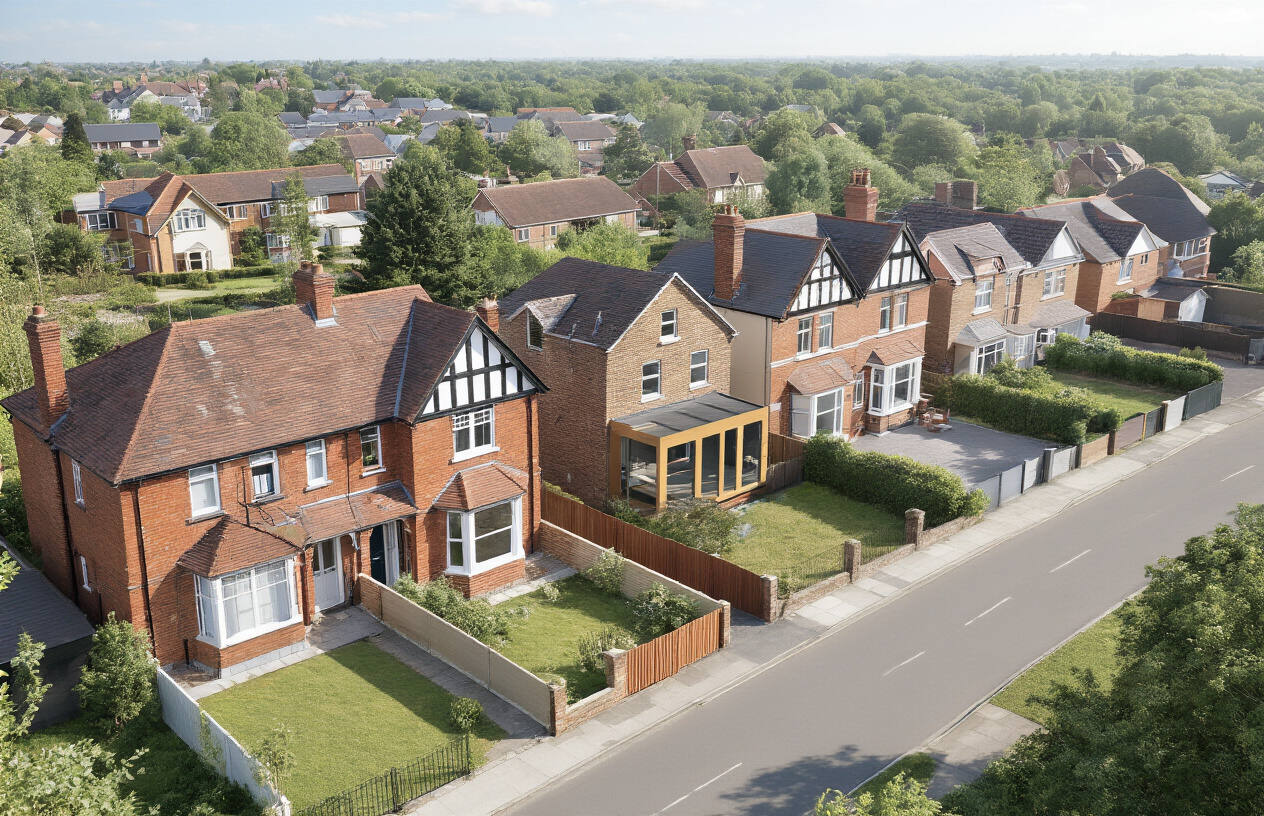
Under the prior approval larger home extension mechanism, we can extend semi-detached and terraced properties up to six metres (6 metres) beyond the rear wall. This significant allowance enables us to create substantial additional living space through the neighbour consultation scheme, provided our extension meets all conditions set under Part 1 Class A of the permitted development rights.
Eight-Metre Extensions for Detached Properties
For detached houses, the prior approval larger home extension scheme offers even greater flexibility, allowing us to build up to eight metres (8 metres) from the original rear wall. This generous allowance under the Town and Country Planning (General Permitted Development) (England) Order 2015 enables us to maximise our property’s potential while avoiding the need for full planning permission.
Measuring from Your Original Rear Wall Correctly
We must take careful measurements from the original rear wall of our property, regardless of whether previous extensions exist. Following the Arnold v Secretary of State case law, councils now consider the original footprint when calculating permitted development limitations. Even if the original wall has been demolished or modified, we still measure from where the original rear wall was positioned when the house was first built.
Properties Excluded from the Prior Approval Scheme

Flats, Maisonettes and Non-House Properties
Not all residential properties qualify for the prior approval larger home extension scheme. Flats and maisonettes are specifically excluded from these permitted development rights, meaning we cannot use this streamlined process for these property types. If we own a flat or maisonette and wish to extend, we’ll need to pursue a full planning application instead, which involves a more comprehensive assessment and longer approval timeframes.
Listed Buildings and Conservation Area Restrictions
Properties located within conservation areas face significant restrictions under the larger home extension scheme. We cannot use prior approval larger home extension if our property sits within a conservation area, Area of Outstanding Natural Beauty (AONB), or national park. Listed buildings are also completely excluded from this scheme, regardless of their location. These designated areas and buildings require special consideration to preserve their historical and environmental significance, making full planning permission the only viable route for extensions.
Properties with Removed Permitted Development Rights
Some properties have had their permitted development rights removed through previous planning conditions or local authority restrictions. When we encounter properties with removed permitted development rights, the prior approval larger home extension route becomes unavailable to us. We must identify whether our property has any such restrictions before proceeding with a larger home extension application, as attempting to use prior approval larger home extensionin these circumstances will result in automatic refusal.
Essential Compliance Conditions for Your Extension
Single-Storey and Height Restrictions You Must Meet
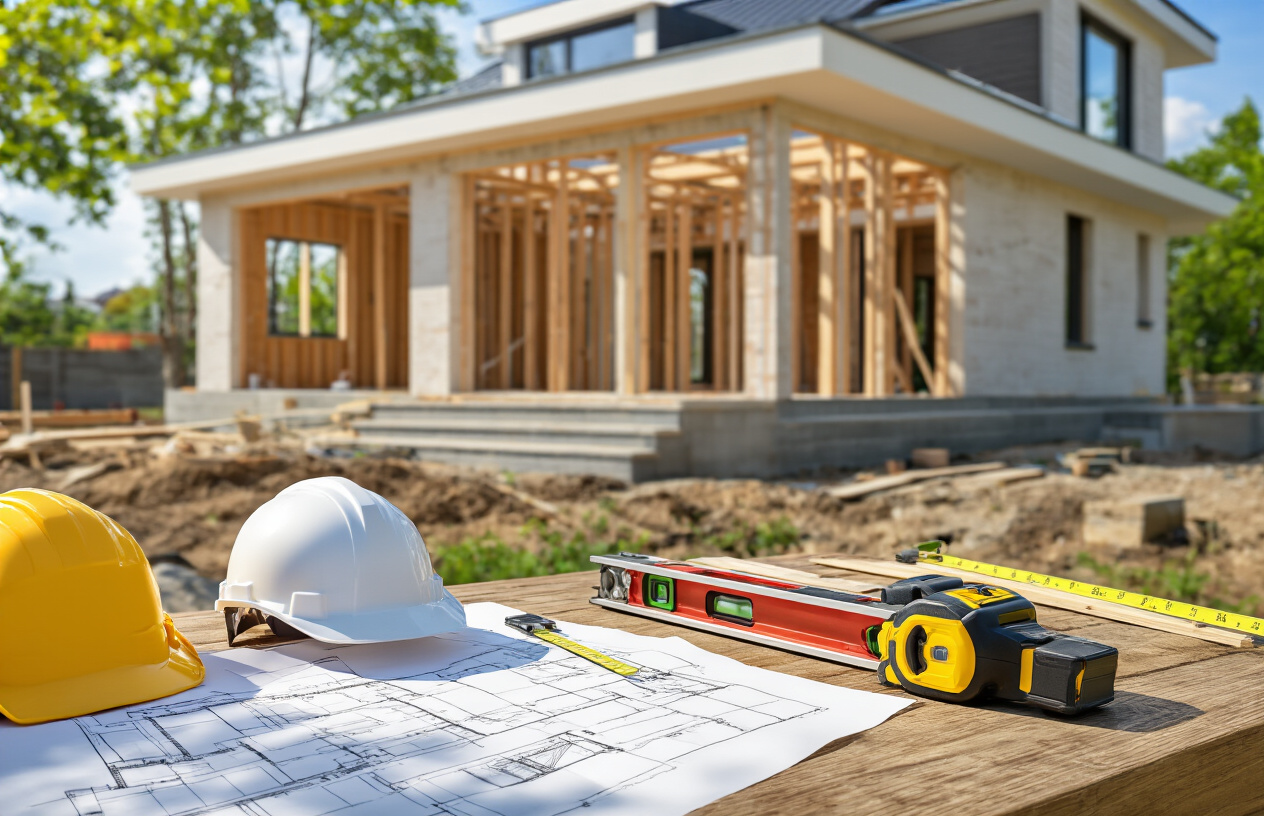
When planning our larger home extension under prior approval, we must strictly adhere to specific height limitations that govern single-storey developments. Our extension cannot exceed predetermined height thresholds, and any deviation from these restrictions requires full planning permission rather than the streamlined prior approval process we’re seeking.
Width Limitations and Boundary Distance Requirements
Our extension must comply with precise width measurements and maintain required distances from property boundaries. These dimensional requirements ensure our development doesn’t negatively impact neighboring properties while maximizing the space we can legitimately add. We need to carefully measure and document these specifications before submitting our prior approval larger home extension application to avoid potential refusal.
Ground Coverage Rules and Material Matching Standards
We must ensure our extension doesn’t exceed permitted ground coverage ratios for our property type. Additionally, the materials we use must appropriately match or complement our existing dwelling’s appearance and character. These standards maintain neighborhood aesthetics while allowing us reasonable expansion rights under the larger home extension scheme.
The prior approval larger home extension Application Process
Required Documentation and Drawings for Submission
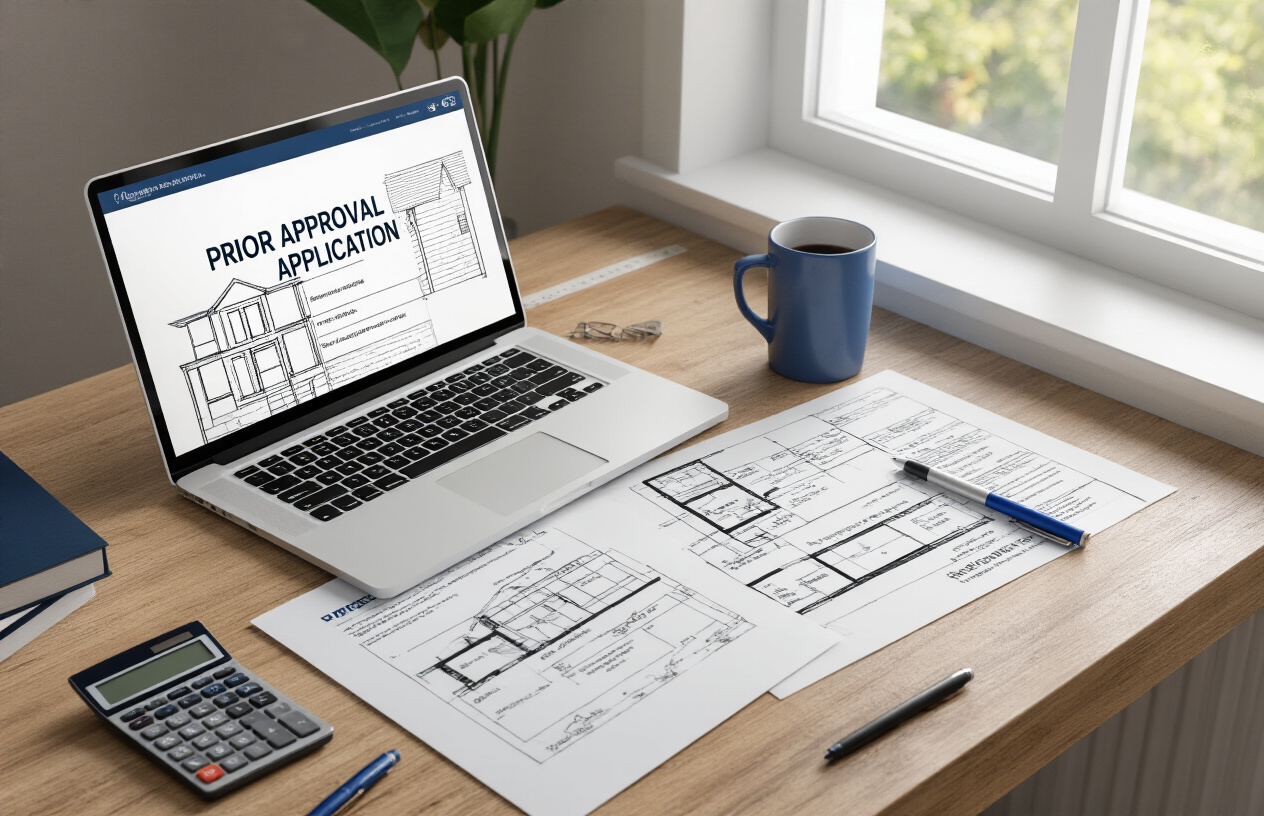
When preparing our prior approval larger home extension application, we must compile comprehensive documentation to support our larger home extension proposal. Our submission requires detailed architectural drawings showing the proposed extension’s design, dimensions, and relationship to the existing property. We need to include accurate technical measurements that demonstrate compliance with permitted development limits, including maximum depth, height restrictions, and boundary distances. The application must contain written descriptions explaining the extension’s purpose, materials, and construction methods.
Written Descriptions and Technical Measurements Needed
Our application documentation must include precise written descriptions detailing the extension’s intended use, construction materials, and building techniques. We need to provide accurate technical measurements showing the extension’s dimensions, including its depth from the rear wall, maximum height, and distance from property boundaries. These measurements are critical for demonstrating compliance with permitted development rights and ensuring our proposal meets the specific size limits and property type requirements outlined in the larger home extension scheme regulations.
Contact Details and Adjoining Property Information
We must provide complete contact information for all relevant parties, including the applicant details, property owner information if different, and appointed agents or architects involved in the project. Our application requires comprehensive information about adjoining properties, including addresses and contact details for immediate neighbors who may be affected by the proposed extension. This adjoining property information is essential for the neighbor consultation process and ensures the local planning authority can properly assess potential impacts on surrounding properties during the prior approval larger home extension evaluation period.
What Happens After You Submit Your Application

Council’s 21-Day Neighbour Consultation Process
Once we submit our prior approval larger home extension application for a larger home extension, the council initiates a mandatory 21-day neighbour consultation period. During this phase, adjacent property owners and potentially affected neighbours receive formal notification about our proposed extension. The council uses this consultation to gather feedback and identify any objections that may impact the approval decision.
42-Day Decision Timeline and Your Appeal Rights
Following our application submission, we have a maximum 42-day decision timeline that the council must adhere to for prior approval larger home extension determinations. This timeframe begins from the date our complete application is received and includes the neighbour consultation period. If the council fails to make a decision within this 42-day window, we gain automatic approval rights for our larger home extension project.
When No Objections Lead to Automatic Approval
When no valid objections are raised during the consultation process, our prior approval larger home extension application typically progresses smoothly toward approval. The absence of neighbour objections significantly strengthens our application’s likelihood of success, as the council’s main considerations focus on technical compliance rather than resolving disputes. This streamlined path often results in faster processing times within the standard decision timeline.
Handling Neighbour Objections to Your Extension
How Councils Assess Impact on Neighbouring Amenity
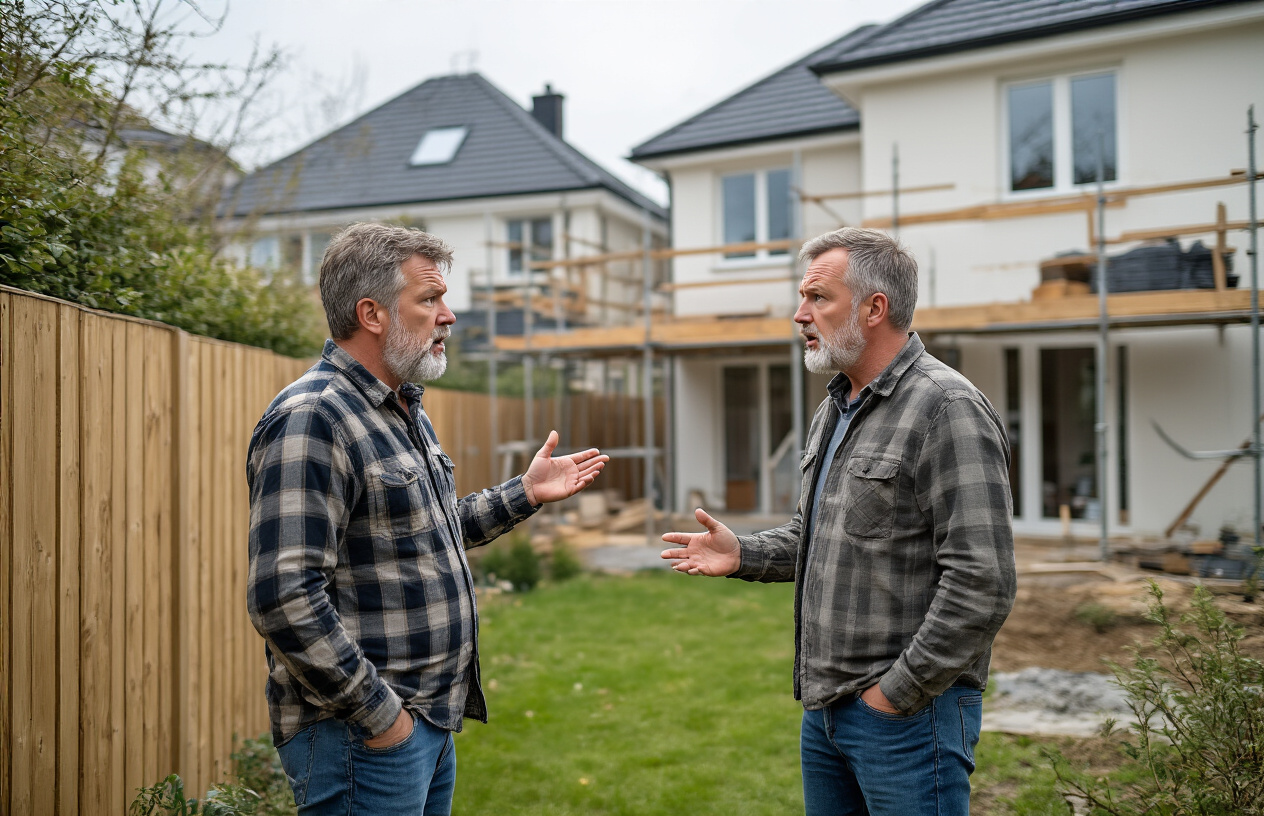
When we submit a prior approval application for larger home extensions, councils must evaluate whether our proposal’s impact on adjoining properties’ amenity is acceptable. We should understand that councils specifically assess concerns around loss of privacy, overshadowing, and overbearing design impacts on neighbouring properties. The local authority will determine if these impacts are reasonable under planning considerations before deciding whether our extension can proceed.
Providing Evidence to Address Objection Concerns
Now that we understand how councils assess impact, we need to prepare evidence to address neighbour concerns effectively. We can commission daylight and sunlight assessments to demonstrate our extension won’t cause unacceptable light loss. Additionally, we should provide factual information showing compliance with local planning policies, include photographs or diagrams supporting our case, and consider design adjustments like repositioning windows, using frosted glass, or introducing boundary screening to address privacy concerns raised by neighbours.
Decision-Making Process When Objections Are Received
Previously, we’ve seen how councils assess impacts and evidence requirements. When neighbours raise concerns or objections during the prior approval larger home extension consultation process, the local authority must carefully determine if our proposal’s impact on all adjoining properties’ amenity is acceptable. We should note that planning decisions are based on policy compliance rather than the number of objections received – even multiple neighbour objections won’t automatically prevent our extension if it meets planning requirements and addresses valid material planning considerations.
Common Reasons for Application Refusal
Insufficient Information Submission Problems
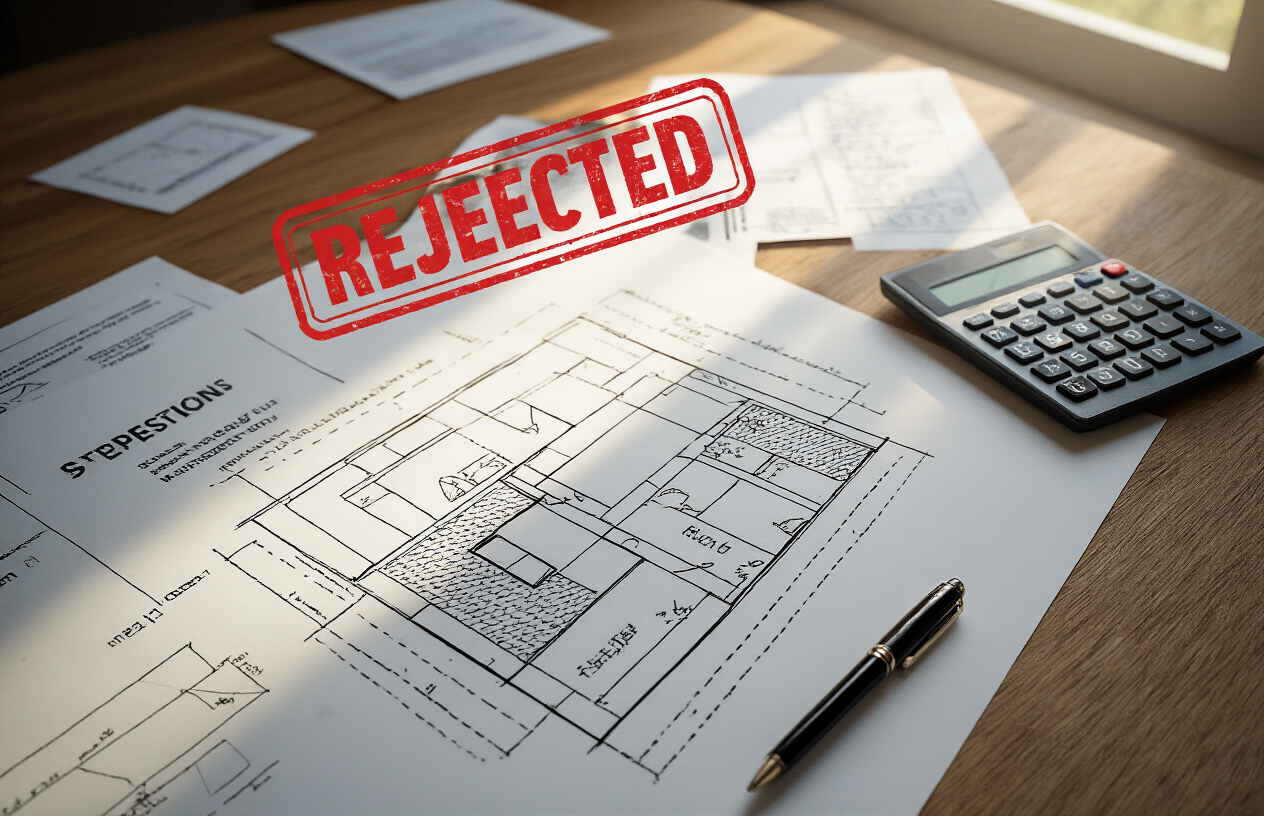
When we submit our prior approval larger home extension applications, incomplete documentation represents one of the most common reasons for refusal. We often encounter denials when our submissions lack essential details such as detailed plans, structural calculations, or neighbor consultation responses. Missing technical specifications, inadequate site plans, or failure to demonstrate compliance with building regulations frequently result in automatic rejections. We must ensure our applications include comprehensive architectural drawings, structural assessments, and all required supporting documents before submission to avoid these preventable refusals.
Non-Compliance with Part 1 Class A Requirements
We face application refusals when our larger home extension proposals don’t meet the strict criteria outlined in Part 1 Class A of permitted development rights. Common compliance failures include exceeding the maximum extension dimensions, failing to maintain required distances from boundaries, or not adhering to height restrictions. We must carefully verify that our extensions don’t breach the 6-meter (or 8-meter for detached houses) rear extension limits and comply with all neighbor consultation requirements. Non-compliance with design standards, materials specifications, or site coverage ratios will result in immediate application rejection.
Your Right to Appeal Refused Applications
We have the right to appeal when our prior approval larger home extension applications are refused by the local planning authority. We can submit appeals to the Planning Inspectorate within specific timeframes, typically 12 weeks from the refusal date. Our appeals must address the specific reasons for refusal and provide additional evidence or clarification to support our case. We should gather comprehensive documentation, including revised plans if necessary, expert reports, and responses to neighbor objections to strengthen our appeal submission and improve our chances of overturning the initial refusal decision.
Moving Forward After Prior Approval Success
When You Can Start Construction Work
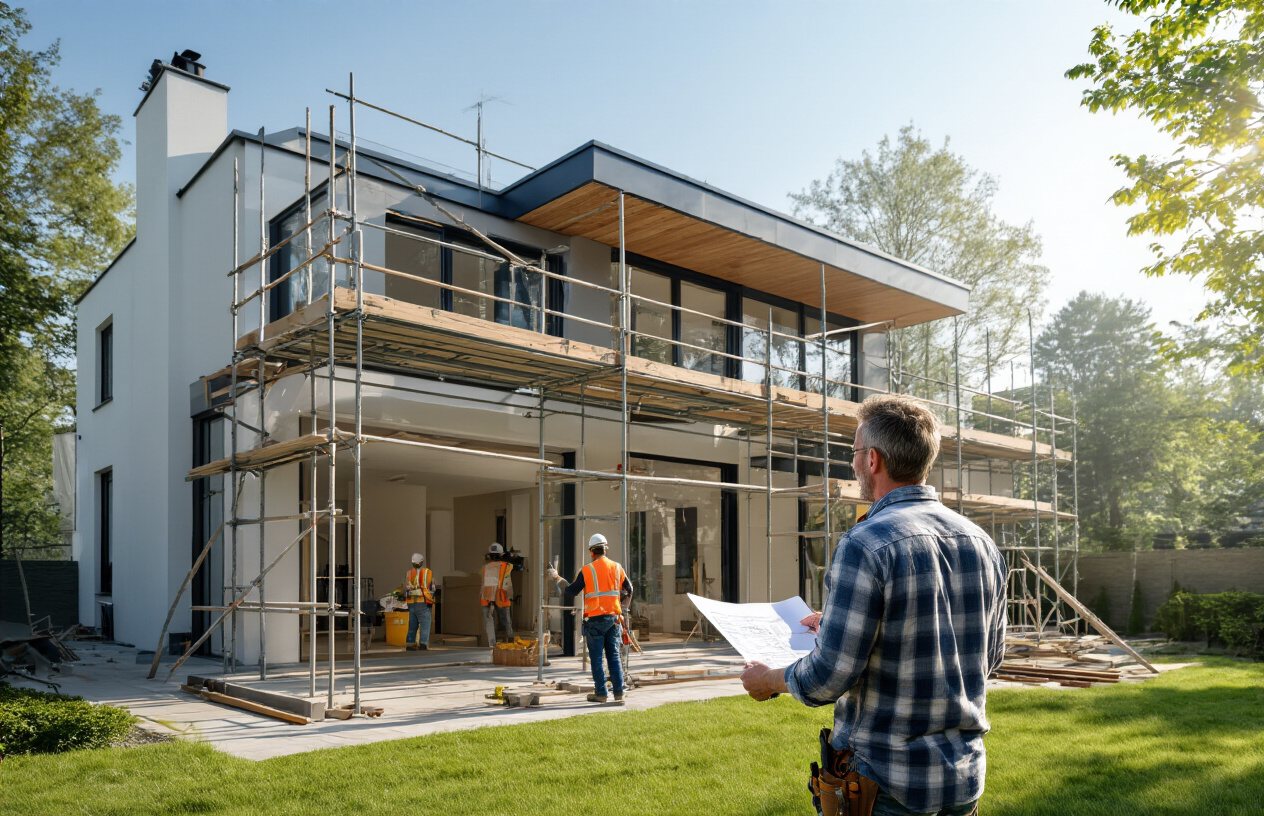
Now that we have covered the prior approval process, we need to understand when construction can begin. We cannot start any building work until we receive formal approval from our local council. Once we obtain prior approval for our larger home extension, we must commence construction within three years of the approval date, or the permission will expire and require reapplication.
Building Control Requirements and Applications
With our prior approval granted, we must separately apply for building control approval before starting construction. This is a crucial step that many homeowners overlook – prior approval only covers planning considerations, not building safety standards. We need to submit either a Building Notice or Full Plans application to our local building control department. The building control process ensures our extension meets structural safety, fire safety, insulation, and ventilation requirements under current Building Regulations.
Completion Notification Obligations to Council
Previously, we’ve discussed the approval stages, but we also have ongoing obligations once construction begins. We must notify building control at key stages during construction for inspections, including foundation work, structural elements, and before covering up any work. Upon completion, we’re required to obtain a completion certificate from building control, which confirms our extension meets all regulatory standards. This certificate is essential for future property sales and insurance purposes, as it provides legal proof that our larger home extension complies with all applicable building regulations and safety requirements.
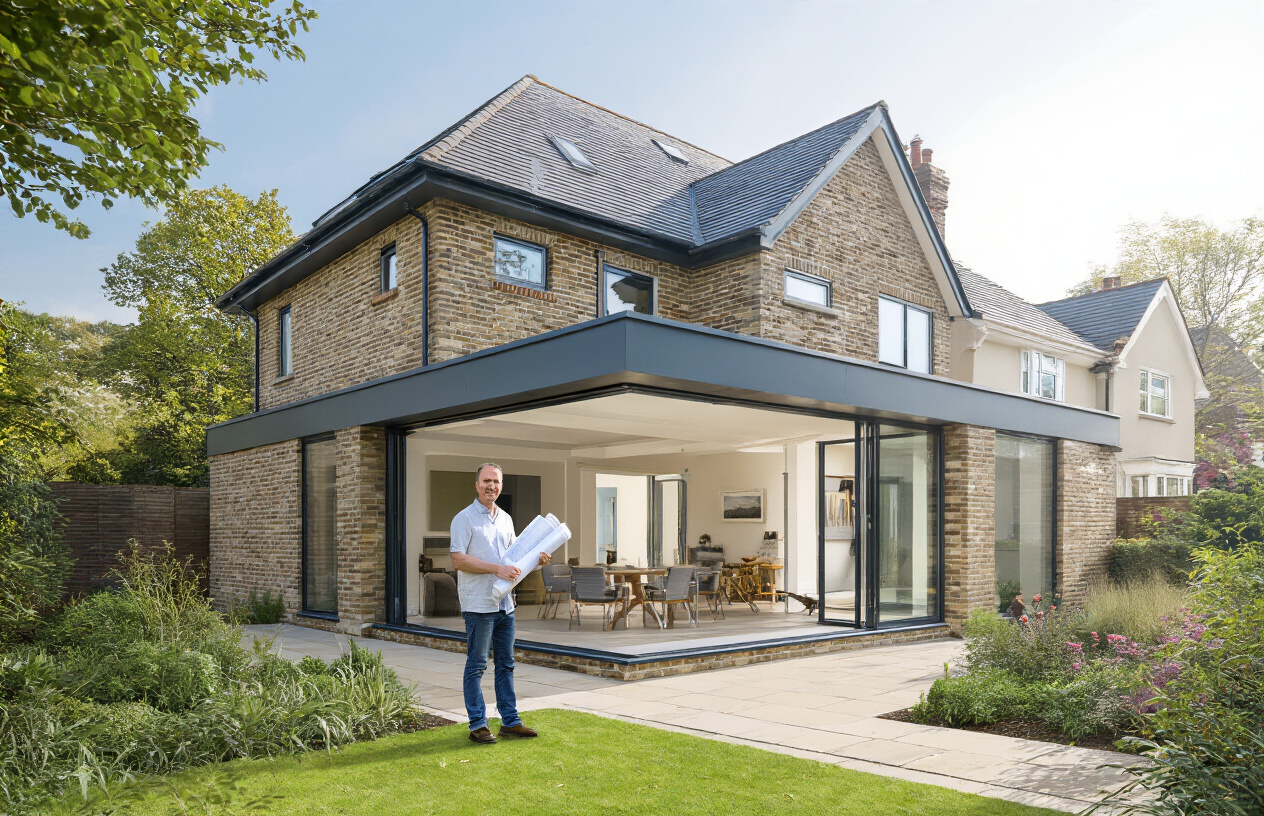
Successfully navigating the prior approval process for larger home extensions requires careful attention to detail and thorough understanding of the regulations. We’ve covered the essential requirements, from size limitations and property eligibility to the application process and potential challenges with neighbour objections. By following the proper procedures and ensuring compliance with all conditions, homeowners can achieve their extension goals while avoiding costly delays and refusals.
The prior approval route offers an excellent opportunity to create substantial additional space without the complexity of full planning permission. However, success depends on proper preparation, accurate documentation, and professional guidance when needed. Whether you’re planning a 6-metre extension on your terraced home or an 8-metre addition to your detached property, understanding these requirements from the outset will help ensure your project proceeds smoothly from application to completion.