
HMO planning permission Services in London
Transforming a property into an HMO Planning Permission requires navigating a specific set of planning hurdles to ensure your investment is both legal and profitable
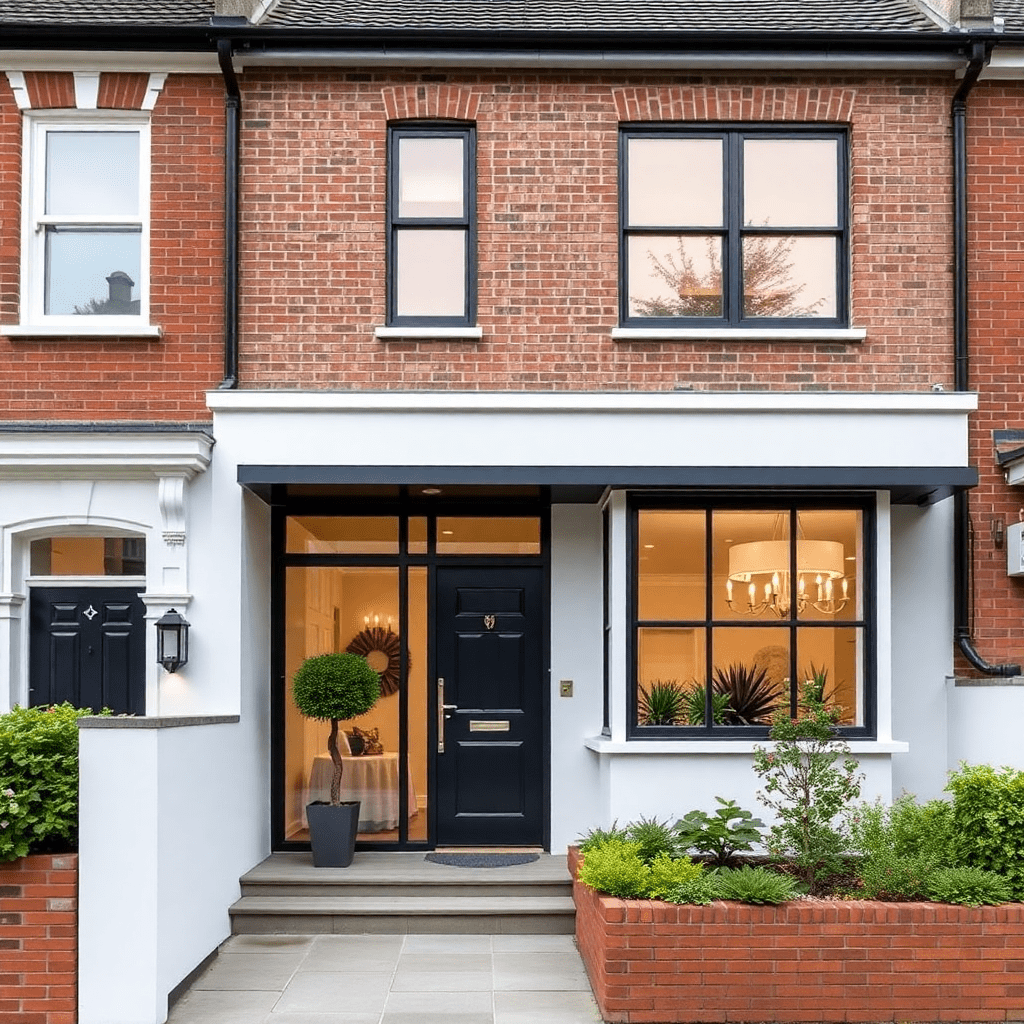
What is an HMO Planning Permission Application?
An HMO application is a formal request to your local council to change the legal usage of a property from a single-family dwelling to a shared residence.
- Grants Legal Authority: It provides the formal approval needed to house multiple unrelated tenants under one roof.
- Policy Assessment: Your project is checked against local planning rules and specific design standards for room sizes and amenities.
- Community Consultation: As part of the process, neighbors are often asked for their opinion on the proposed change.
- Outcome Management: The council may approve the application, refuse it, or approve it with specific conditions regarding occupancy limits.
Full Planning Permission
(FPP)
Purpose: This is a formal approval required when the development falls outside of “permitted development” rights.
Large HMOs: This is typically required for “Sui Generis” HMOs (more than 6 residents) or in areas where local authorities have restricted standard conversion rights.
Consultation: Unlike a Certificate of Lawfulness, this process involves consulting neighbors for their opinions.
Judgement: Decisions are based on local planning policies and design standards rather than just evidence of use.
Retrospective Planning Application
(RPA)
Purpose: This application is filed for works already completed that require formal planning consent but were done without it.
Regularisation: It is used to make the completed work follow proper rules and procedures after the fact.
Consequences: Without this, property owners may face planning enforcement action or delays during property sales and remortgaging
When You Need HMO Planning Permission
You typically require professional planning assistance for an HMO in the following scenarios:
- Large HMOs (Sui Generis): When you plan to house more than six unrelated people, which always requires "Full Planning Permission".
- Article 4 Directions: In many London boroughs, local rules remove "permitted development" rights, meaning even small HMOs (3–6 people) need a formal application.
- Change of Use: Converting a property from a standard C3 residential use to a C4 or Sui Generis HMO use.
- Legal Certainty: Obtaining a Lawful Development Certificate to prove that an existing HMO has been operating legally for the required timeframe.
Our HMO Planning Permissions Process
Property & Lawfulness Assessment
Initial Review: We review your property and assess the lawfulness of your proposed or existing development.
Compliance Check: We determine if your project follows specific planning rules, such as Article 4 Directions, and check it against local design standards.
Strategic Planning: This assessment ensures you take the right path from the start, maximizing your chances of approval while protecting your investment.
Drawings & Evidence Preparation
Technical Drawings: You will receive professionally prepared drawings, including detailed floor plans that show room dimensions and required amenities.
Supporting Documentation: We prepare comprehensive supporting statements and gather the expert assessment needed for your application.
Evidence Gathering: Depending on the case, we compile site photos, planning history, and statutory declarations to build a strong application.
Council Submission & Liaison
Formal Submission: We submit your application to the local planning authority and act as your agent.
Expert Representation: We handle all correspondence and technical queries with the council throughout the process.
Public Consultation: For full planning applications, we manage the period where neighbors are formally asked for their opinions.
Decision & Certificate Issued
Processing Time: Local authorities typically take 8 weeks to determine an HMO application, though this can vary based on council workload.
Final Approval: Once the process is complete, you receive your official planning permission or Certificate of Lawfulness from the council.
Legal Shield: This document acts as your shield against future planning enforcement action and provides confidence to solicitors and lenders.
Why Choose Online Architectural Services
Navigate London’s planning regulations with confidence. Our experienced team handles all aspects of planning applications.
London Borough Expertise
Deep knowledge of all 32 London boroughs and their specific planning requirements
High Approval Success Rate
Proven track record of successful LDC applications across London
Council-Compliant Drawings
Professional architectural drawings that meet all local authority standards
Fixed Pricing
Transparent, competitive pricing with no hidden fees or surprises
Fast Turnaround
Quick preparation and submission to meet your project timelines
Related Services
Building Regulation Drawings
Compliant technical drawings for building control approval.
Frequently Asked Questions
What is the difference between an HMO license and HMO planning permission?
Planning permission confirms that the property's use is legal under planning law, whereas a license relates to the management and safety standards of the property. You often need both to operate legally.
What is an Article 4 Direction?
This is a local rule that removes "permitted development" rights for small HMOs. In these areas, you must apply for full planning permission even if you only plan to house 3 to 6 people.
Will my neighbors be notified of my HMO application?
Yes, for full planning applications, neighbors are formally consulted and invited to provide their opinions on the matter.
What are the minimum room size requirements?
Applications are strictly checked against local design standards to ensure adequate living space for residents. Failure to meet these standards can lead to refusal.
How long does the HMO planning process take?
Local planning authorities typically take 8 weeks to determine an application. Complex cases or high council workloads can influence this timeframe.