
Full Planning Permission Services in London
Securing Full Planning Permission is the essential gateway for ambitious projects that transform the landscape of a property.
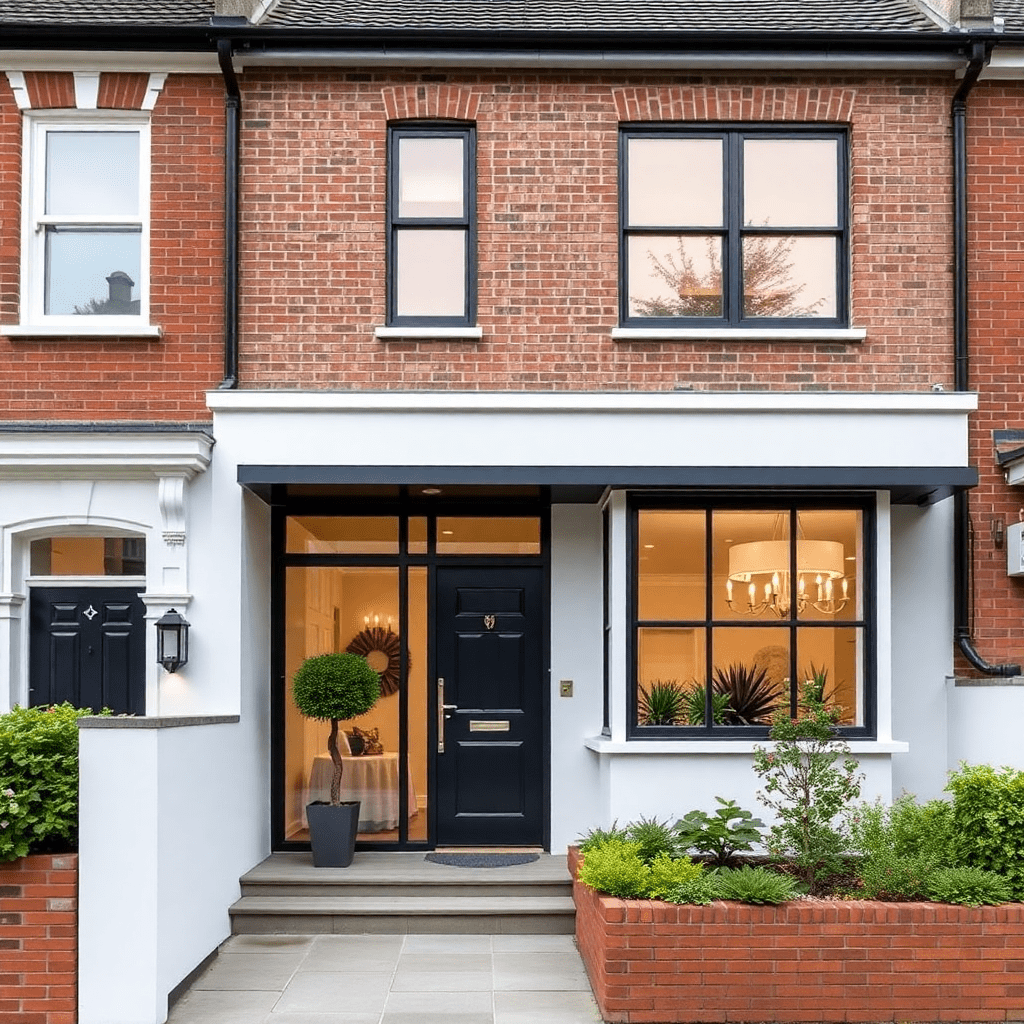
What is Full Planning Permission?
Full planning permission is formal approval from the council to carry out development work that requires consent. Unlike a Lawful Development Certificate, which confirms if a project is already legal under existing rules, full planning is a request for the council to grant new legal authority for your project.
- Grants Permission: It provides the legal authority to build or change the use of a property.
- Assessed Against Policy: Your application is evaluated against local planning policies and design standards.
- Public Consultation: As part of the process, neighbours are formally consulted for their opinions.
Flexible Outcomes: The council can approve the plans, refuse them, or approve them with specific conditions.
Types Of Full Planning Permission
New Residential Development
(NRD)
This is required when you are building a completely new dwelling from the ground up, such as a new house or a block of flats. This is the most comprehensive type of application and is assessed strictly against local design standards.
Change of Use
(CU)
If you intend to change the way a property is legally used—for example, converting a commercial shop into a residential flat—you must apply for full planning permission. This ensures the new use is appropriate for the local area and complies with planning policies.
Major External Alterations
(MEA)
You need this type of permission when your construction work goes beyond what is normally allowed under “permitted development”. This typically applies to substantial modifications that significantly change the appearance or footprint of a building.
Retrospective Planning Permission
(RPP)
If you have already carried out development work without obtaining consent first, you can apply for retrospective permission to regularize the works. This is an attempt to gain formal approval for what is already there, though it carries the risk of refusal and potential enforcement action.
Commercial and Non-Domestic Projects
(CNDP)
Full planning is the standard requirement for almost all non-residential developments, including office extensions, new industrial units, or modifications to retail premises
When You Need Full Planning Permission
- New Dwellings: Building new houses or flats from the ground up.
- Change of Use: Switching what you use your property for, such as converting a commercial space to residential.
- Major Alterations: Any works that fall outside the scope of "permitted development".
- Commercial Development: Construction or modification of non-residential building usage
Our Full Planning Permission Process
Property & Lawfulness Assessment
We review your property and assess the lawfulness of your proposed or existing development
Drawings & Evidence Preparation
We prepare detailed drawings and gather supporting evidence for your application
Council Submission & Liaison
We submit your application and handle all correspondence with the local authority
Certificate Issued
Receive your official Certificate of Lawfulness from the council
Why Choose Online Architectural Services
Navigate London’s planning regulations with confidence. Our experienced team handles all aspects of planning applications.
London Borough Expertise
Deep knowledge of all 32 London boroughs and their specific planning requirements
High Approval Success Rate
Proven track record of successful LDC applications across London
Council-Compliant Drawings
Professional architectural drawings that meet all local authority standards
Fixed Pricing
Transparent, competitive pricing with no hidden fees or surprises
Fast Turnaround
Quick preparation and submission to meet your project timelines
Related Services
Building Regulation Drawings
Compliant technical drawings for building control approval.
Frequently Asked Questions
What is Full Planning Permission?
Full planning permission is a formal legal document issued by your local council that grants you the authority to carry out specific development work. It is required when your project involves building something new or making changes that fall outside of standard "permitted development" rights
When do I need to apply for it?
You typically need this for more complex projects, such as building a new home, converting a commercial space into residential (Change of Use), or significant alterations that exceed what is normally allowed
How is it different from a Lawful Development Certificate (LDC)?
An LDC simply confirms that a project is already legal or doesn't need permission based on facts. Full Planning Permission is a request for the council to approve a design based on planning policies, design standards, and the impact on the surrounding area.
Do my neighbors have a say in the process?
Yes. Unlike an LDC where neighbors are not consulted, a Full Planning Application involves a formal consultation period where neighbors are notified and invited to provide their opinions on your proposal.
How long does the council take to decide?
Local planning authorities usually aim to make a decision within 8 weeks. However, complex developments or high council workloads can extend this timeframe.